


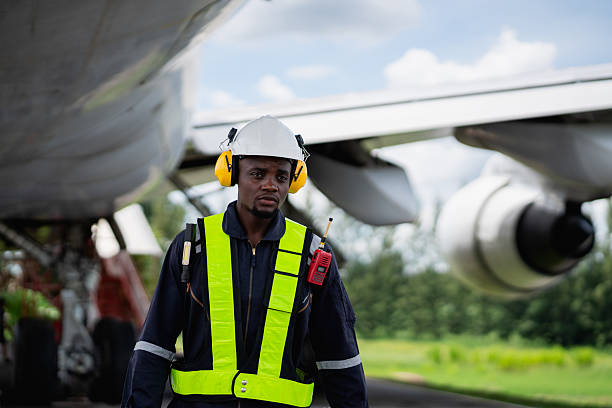
Aircraft ground delays can affect an entire flight schedule. A few minutes lost during baggage loading, fuelling, boarding, catering, or pushback can become a much longer delay when the aircraft is operating several flights in one day.
Across African airports, reducing these delays requires more than simply asking ground teams to work faster. Airports, airlines, handlers, and logistics providers need better coordination, reliable equipment, accurate information, and realistic turnaround planning.
Start Turnaround Planning Before Arrival
Aircraft turnaround should begin before the aircraft reaches the parking stand.
Ground teams need advance information about the expected arrival time, aircraft type, passenger numbers, baggage requirements, cargo, and planned departure time. This allows staff and equipment to be positioned before the aircraft arrives.
If baggage equipment, catering staff, buses, or other ground services only start preparing after landing, valuable turnaround time can already be lost.
Keep Ground Equipment Available
Ground support equipment is essential for efficient aircraft servicing. Baggage tractors, belt loaders, passenger stairs, ground power units, pushback tractors, and other equipment must be available when required.
Equipment that is poorly maintained or shared between too many aircraft can create avoidable delays. Regular inspections, preventive maintenance, and contingency equipment can help reduce the impact of breakdowns.
Airports experiencing high traffic should also monitor equipment demand during peak operating periods and adjust resources accordingly.
Improve Baggage Loading and Unloading
Baggage handling is one of the activities that can affect an aircraft’s departure time.
Ground teams need clear procedures for moving bags between the terminal, sorting areas, and aircraft. Transfer baggage requires particular attention because connecting passengers may have limited time between flights.
During busy travel periods, airports may need additional personnel and equipment to handle increased baggage volumes without slowing down aircraft turnaround.
Coordinate Fuelling and Other Services
An aircraft can require several ground services at the same time. Fuelling, catering, cleaning, waste removal, water servicing, baggage loading, passenger boarding, and technical checks all need to fit within the turnaround window.
Poor coordination can create conflicts. For example, a vehicle may block access for another service team, or a delayed fuelling operation may prevent boarding or pushback.
A shared turnaround plan helps different teams understand when their services are required and how their activities interact.
Reduce Communication Gaps
A delay is sometimes caused by information reaching the right team too late.
Airline operations staff, airport authorities, ground handlers, security teams, cargo operators, and transport providers should have clear communication channels. Changes to arrival times, aircraft assignments, gates, baggage volumes, or departure schedules should be communicated as early as possible.
Real-time communication is especially useful when flights are delayed because ground teams can adjust staffing and equipment arrangements before the aircraft arrives.
Improve Ramp Traffic Management
The aircraft ramp can become congested when several vehicles and teams are working around multiple aircraft.
Clear vehicle routes, designated equipment areas, proper stand allocation, and controlled movement can reduce unnecessary congestion. Staff should also follow established safety procedures when approaching and servicing aircraft.
Better ramp organisation can improve both safety and turnaround efficiency.
Prepare for Weather-Related Delays
Rain, strong winds, poor visibility, extreme temperatures, and other weather conditions can affect ground operations.
Airports should have procedures for adjusting ground activities when weather conditions deteriorate. This may include protecting equipment, adjusting staffing, allowing additional turnaround time, and communicating operational changes quickly.
Planning for weather is particularly important where seasonal conditions regularly affect airport operations.
Use Turnaround Data to Find Recurring Problems
Airlines and ground handlers should track where time is being lost during aircraft turnarounds.
Useful measurements include:
- Baggage loading and unloading time
- Boarding duration
- Fuelling time
- Ground equipment availability
- Pushback delays
- Aircraft servicing time
- Late arrival of ground teams
- Time between aircraft arrival and first ground service
Looking at this information over time can reveal recurring bottlenecks. If a particular activity repeatedly causes delays, management can investigate whether the problem is staffing, equipment, scheduling, communication, or airport infrastructure.
Connect Airport Operations With Ground Transport
Aircraft delays do not only affect airlines. They also affect passengers waiting for airport pickups, hotel transfers, business meetings, deliveries, and onward transportation.
For example, a passenger arriving in Lagos later than scheduled may miss a pre-arranged vehicle pickup or arrive late for a meeting. Transport providers can reduce this disruption by monitoring flight schedules and allowing reasonable flexibility around pickup times.
Travo.ng can support airport transfers, travel bookings, transport coordination, hotel arrangements, and other movement requirements around air travel. Coordinating these services around the passenger’s actual flight schedule can make the overall journey easier to manage.
Build Contingency Plans for Busy Airports
Not every delay can be prevented. Equipment can fail, flights can arrive late, weather can change, and unexpected operational issues can occur.
The goal should therefore be to reduce the effect of disruptions. Backup equipment, additional personnel during peak periods, alternative transport arrangements, and clear escalation procedures can help airports recover more quickly.
Making Aircraft Turnarounds More Efficient
Reducing aircraft ground delays in Africa requires coordination across the entire airport operation. Better preparation before arrival, reliable ground support equipment, efficient baggage handling, clear communication, organised ramp operations, and data-driven monitoring can all contribute to shorter and more predictable turnarounds.
For passengers and businesses, connecting airport operations with dependable ground transportation also helps minimise the wider impact of flight delays and keeps the journey moving after the aircraft reaches the ground.
