


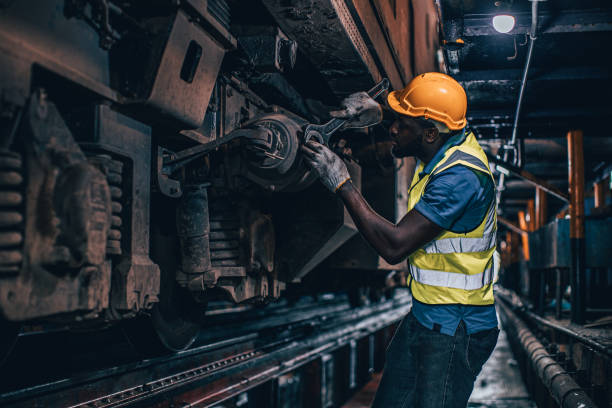
A preventive maintenance technician helps businesses identify equipment problems before they become expensive breakdowns. Instead of waiting for machinery to fail, the technician follows maintenance schedules, inspects equipment, replaces worn components and monitors performance.
In Nigeria, these roles are relevant across manufacturing, hospitality, power, logistics, automotive, construction and other industries that depend on machinery and equipment. Current Nigerian listings include maintenance positions involving scheduled preventive maintenance, equipment inspections, troubleshooting and repairs.
What Does a Preventive Maintenance Technician Do?
The main responsibility is to keep equipment operating reliably and reduce unexpected downtime.
Typical duties include:
- Carrying out scheduled equipment inspections
- Performing routine servicing and lubrication
- Checking motors, pumps, bearings and other components
- Inspecting electrical and mechanical systems
- Replacing worn or damaged parts
- Identifying potential equipment failures
- Performing minor repairs before breakdowns occur
- Maintaining equipment history and service records
- Following manufacturer maintenance schedules
- Supporting emergency repairs when necessary
A current Lagos maintenance role, for example, involves daily inspections designed to identify potential faults before failure, along with preventive maintenance, equipment history records and maintenance reporting.
Preventive Maintenance Is About More Than Repairs
A good maintenance technician does not simply fix machines when they stop working.
The job involves looking for warning signs such as:
- Unusual vibration
- Excessive heat
- Abnormal sounds
- Oil or fluid leaks
- Loose connections
- Worn belts
- Damaged bearings
- Unusual electrical readings
- Reduced equipment performance
Finding these issues early can help a company avoid an unexpected production shutdown.
What Skills Do Employers Look For?
Employers may look for technicians with a combination of mechanical, electrical and troubleshooting skills.
Useful skills include:
- Mechanical maintenance
- Electrical troubleshooting
- Preventive and corrective maintenance
- Equipment inspection
- Fault diagnosis
- Hydraulic and pneumatic systems
- Motors and pumps
- Bearings and drive systems
- Welding and fabrication
- Reading technical drawings
- Maintenance documentation
Some industrial maintenance positions also require technicians to work with compressors, valves, rotating equipment, piping systems and other specialised machinery.
Where Can Preventive Maintenance Technicians Work?
Potential employers include:
- Manufacturing companies
- FMCG businesses
- Hotels
- Restaurants
- Logistics companies
- Transport companies
- Power and energy businesses
- Construction companies
- Industrial facilities
- Equipment service companies
Manufacturing plants can be particularly demanding because production machinery may operate for long periods. A maintenance technician may need to inspect equipment during scheduled maintenance windows so that repairs do not interrupt production.
Automotive and Fleet Maintenance Opportunities
Preventive maintenance is also important in vehicle fleets. Companies operating cars, vans, buses and trucks need regular servicing and inspections to keep vehicles roadworthy and reduce breakdowns.
Fleet technicians may handle oil and filter changes, fluid checks, battery inspections, tyre checks, brake inspections, diagnostics and scheduled repairs.
This means automotive mechanics with preventive-maintenance experience can also pursue fleet maintenance positions.
What Should You Put on Your CV?
When applying for preventive maintenance technician jobs, make your CV specific about the equipment you have maintained.
Include:
- Years of maintenance experience
- Types of machinery or equipment you have worked on
- Preventive maintenance experience
- Breakdown and corrective repair experience
- Mechanical and electrical skills
- Diagnostic equipment you can operate
- Hydraulic and pneumatic experience
- Relevant technical qualifications
- Previous employers
- Experience maintaining production equipment or vehicle fleets
If you have worked with generators, compressors, pumps, conveyors, motors or production machines, list them specifically.
Applications and CV Submission
Candidates interested in preventive maintenance technician opportunities should prepare an updated CV highlighting their maintenance, troubleshooting and equipment-repair experience.
Applications and CVs should be sent to jobs@wigmoretrading.com.
Use Preventive Maintenance Technician Application as the email subject and include your current phone number, qualifications and relevant work experience in your CV.
Preparing for the Interview
A technical interview may involve practical maintenance scenarios.
You could be asked how you would:
- Create a preventive maintenance schedule.
- Inspect a machine showing unusual vibration.
- Identify a bearing that is beginning to fail.
- Prevent an overheating motor from causing a breakdown.
- Respond when a machine repeatedly develops the same fault.
- Decide when a component needs replacement.
- Record and report completed maintenance work.
Employers want technicians who can identify problems early and explain why a particular maintenance action is necessary.
Building a Career in Preventive Maintenance
Preventive maintenance can lead to broader careers in industrial maintenance, equipment reliability, fleet management and engineering operations.
Technicians who develop additional skills in predictive maintenance, automation, electrical systems, hydraulics, pneumatics and equipment diagnostics can become more valuable to employers.
For anyone pursuing preventive maintenance technician jobs, strong hands-on experience, attention to detail and the ability to prevent equipment failures can make your CV stand out.
