


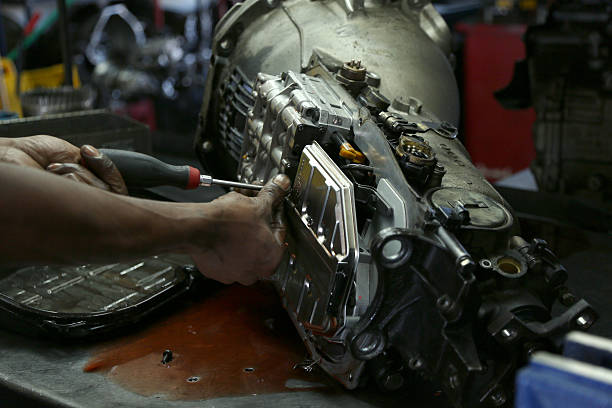
Lagos has a large manufacturing, construction, engineering and maintenance sector, creating opportunities for people who want to build practical mechanical skills. A mechanical apprenticeship in Lagos can be a good starting point for learning how to inspect, maintain, troubleshoot and repair industrial machinery under the guidance of experienced technicians.
Unlike purely classroom-based education, an apprenticeship allows trainees to develop practical skills while working with real equipment. Current Lagos opportunities and programmes include hands-on mechanical maintenance, industrial placement and technician-trainee roles.
What Do You Learn During a Mechanical Apprenticeship?
Depending on the workshop or company, an apprentice may learn:
- Mechanical fitting
- Machine maintenance
- Pumps and compressors
- Bearings and shafts
- Motors and mechanical drives
- Hydraulic systems
- Pneumatic systems
- Welding and fabrication
- Preventive maintenance
- Fault diagnosis
- Equipment inspection
- Workshop safety
A trainee may begin with basic tool handling and equipment inspection before gradually taking responsibility for servicing and repairs.
Practical Experience Is the Main Advantage
Mechanical maintenance involves problems that are difficult to understand from theory alone.
For example, when a production machine starts vibrating excessively, the technician may need to inspect bearings, alignment, couplings, shafts and other moving components before deciding what needs to be repaired.
A good apprenticeship should allow you to progress through stages such as:
- Observing experienced technicians.
- Learning workshop safety.
- Assisting with inspections.
- Performing basic maintenance.
- Servicing mechanical components.
- Diagnosing faults under supervision.
- Carrying out more complex repairs.
Current mechanical technician-trainee roles in Lagos have included assisting with pumps, motors, conveyors and production machinery while learning preventive maintenance and fault diagnosis.
Hydraulics and Pneumatics Are Valuable Skills
Many industrial machines use hydraulic and pneumatic systems. Learning these systems can make an apprentice more useful to manufacturing and engineering employers.
You may learn how to identify problems such as:
- Hydraulic pressure loss
- Oil leaks
- Damaged hoses
- Faulty valves
- Air leaks
- Pump problems
- Slow machine movement
Understanding how to test and diagnose the system is more valuable than simply replacing components whenever something fails.
Mechanical Apprentices Should Learn Basic Electrical Skills
Modern machinery often combines mechanical and electrical systems. Motors, sensors, control panels and mechanical components can operate together.
The Institute for Industrial Technology’s Lagos programmes, for example, combine mechanical maintenance with electrical systems, hydraulics, pneumatics, sensors and PLCs.
Learning basic electrical troubleshooting can therefore help a mechanical apprentice understand equipment more completely.
How Long Does a Mechanical Apprenticeship Take?
There is no single duration for every apprenticeship.
Traditional workshop apprenticeships can vary according to the employer and the trainee’s progress. Structured programmes can provide a more defined pathway.
For example, the Institute for Industrial Technology offers a two-year-plus Electromechanics programme for secondary-school leavers that combines mechanical, electrical, electronics and industrial automation training with industrial placements.
There are also shorter mechanical engineering vocational programmes. One Lagos-based City & Guilds programme currently lists a four-to-six-month duration.
Who Can Apply?
Mechanical apprenticeships can suit:
- Secondary-school leavers
- Technical-school graduates
- Apprentices looking to upgrade their skills
- Junior mechanics
- Mechanical technicians
- Engineering students
- Engineering graduates
- People changing careers
- Artisans seeking formal technical training
Your entry requirements will depend on the specific apprenticeship or training programme.
Where Can a Mechanical Apprentice Work?
With sufficient training and experience, you can pursue opportunities in:
- Manufacturing plants
- Construction companies
- Engineering companies
- Logistics businesses
- Food-processing factories
- Industrial maintenance companies
- Equipment-service companies
- Agricultural businesses
- Power-related companies
- Oil and gas service companies
Possible career paths include Mechanical Technician, Maintenance Technician, Mechanical Fitter, Plant Maintenance Technician and Equipment Maintenance Technician.
What Should You Look for in an Apprenticeship?
Don’t choose an apprenticeship simply because it has a good-sounding title.
Find out whether you will actually work with equipment and experienced technicians.
Look for:
- Hands-on workshop experience
- Experienced supervisors
- Real industrial machinery
- Preventive maintenance training
- Hydraulic and pneumatic exposure
- Mechanical fitting
- Fault diagnosis
- Safety training
- Proper tools and equipment
- Industrial placement opportunities
A good apprenticeship should gradually move you from watching to assisting, then performing jobs under supervision.
What Should You Put on Your CV?
If you’re applying for a mechanical apprenticeship, your CV should focus on your practical potential.
Include:
- Educational qualifications
- Technical training
- Workshop experience
- Apprenticeship experience
- Mechanical skills
- Machinery you’ve worked on
- Hydraulic or pneumatic experience
- Welding or fabrication skills
- Maintenance experience
- Tools you can use
- Technical certificates
If you have worked with pumps, generators, conveyors, compressors, production machines or heavy equipment, mention the specific machinery.
Applications and CV Submission
Candidates interested in mechanical apprenticeship and related technical opportunities should prepare an updated CV showing their education, practical experience, technical skills and willingness to learn.
Applications and CVs should be sent to jobs@wigmoretrading.com.
Use Mechanical Apprenticeship Application as the email subject and include your phone number, qualifications and relevant workshop experience in your CV.
Preparing for the Interview
You may be asked:
- Why do you want to become a mechanical technician?
- What mechanical tools have you used?
- What is preventive maintenance?
- What could cause a machine to vibrate excessively?
- What is the purpose of a bearing?
- How would you approach a machine that suddenly stops working?
- What safety precautions should you take before repairing machinery?
If you’re a beginner, don’t pretend to have advanced skills. Show that you’re willing to learn, comfortable with practical work and serious about developing a technical career.
Building a Career Through Mechanical Apprenticeship
A mechanical apprenticeship in Lagos can provide the practical foundation needed to enter industrial maintenance and mechanical engineering support.
As you gain experience, consider adding hydraulics, pneumatics, electrical troubleshooting, PLCs, diagnostics and equipment maintenance to your skill set.
The strongest apprentices don’t just learn how to repair equipment. They learn how to identify the cause of a failure, carry out repairs safely and prevent the same problem from happening again.
