


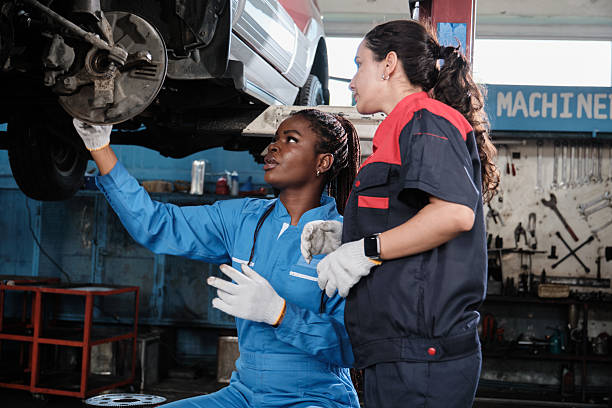
Mechanic certification in Nigeria provides a way for automotive and heavy-equipment technicians to formally demonstrate their technical knowledge and practical skills. Certification can help mechanics improve their credibility when applying for jobs with workshops, transport companies, construction companies, equipment dealers, mining companies and other businesses.
For people looking to build a professional mechanic career, NABTEB, National Technical Certificates, National Skills Qualifications and relevant technical training are among the options to consider.
What Is Mechanic Certification in Nigeria?
Mechanic certification is formal recognition that a person has acquired specific technical knowledge and practical skills in vehicle or equipment maintenance and repair.
Certification can cover areas such as:
- Motor vehicle mechanics
- Automobile electrical systems
- Diesel mechanics
- Heavy-duty vehicle maintenance
- Plant and equipment maintenance
- Agricultural machinery
- Mechanical engineering craft
- Welding and fabrication
- Hydraulic systems
- Electrical and electronic vehicle systems
The National Business and Technical Examinations Board (NABTEB) is Nigeria’s statutory technical examination body and awards National Technical Certificates and Advanced National Technical Certificates.
NABTEB Motor Vehicle Mechanics Certification
One of the most recognised routes for an aspiring mechanic is the NABTEB National Technical Certificate (NTC) in Motor Vehicle Mechanics.
The NABTEB examination structure includes Motor Vehicle Mechanics as an engineering trade, with subjects covering technical and trade-related knowledge.
This route can be particularly useful for mechanics who want formal certification alongside practical workshop experience.
Advanced Mechanic Certification
Experienced mechanics can progress beyond the ordinary craft level.
NABTEB offers:
- National Technical Certificate (NTC)
- Advanced National Technical Certificate (ANTC)
- Modular Trade Certificate (MTC)
- National Skills Qualification-related assessment routes
The ANTC is designed as an advanced technical qualification, while the Modular Trade Certificate provides competency-based assessment for specific trades.
National Skills Qualification for Automobile Mechanics
Another route is the National Skills Qualification (NSQ) framework.
Automobile Mechanic is included among validated occupations under Nigeria’s National Skills Qualification framework, with recognised levels for the occupation.
This can be useful for people who have developed practical skills through vocational training, apprenticeship or technical education and want formal recognition of their competence.
Mechanic Certification Through Technical Colleges
Technical colleges and approved vocational institutions can provide practical training in automotive and mechanical trades.
Training can cover:
- Engine repair
- Transmission systems
- Brake systems
- Steering systems
- Suspension
- Vehicle electrical systems
- Fuel systems
- Cooling systems
- Workshop safety
- Preventive maintenance
- Fault diagnosis
Combining classroom instruction with hands-on workshop training is particularly useful for someone planning a long-term mechanic career.
Heavy-Duty Mechanic Certification
Mechanics interested in trucks, buses, construction machinery and industrial equipment should consider additional training beyond ordinary automobile mechanics.
Useful areas include:
- Diesel engine technology
- Heavy-duty vehicle maintenance
- Hydraulic systems
- Pneumatic systems
- Heavy-equipment electrical systems
- Engine diagnostics
- Transmission systems
- Powertrain systems
- Preventive maintenance
- Computerised diagnostics
This can help mechanics qualify for positions involving trucks, buses, excavators, loaders, cranes, generators and other heavy machinery.
Diesel Mechanic Certification
Diesel specialists can develop skills in:
- Diesel engine overhaul
- Fuel injection
- Turbochargers
- Cooling systems
- Lubrication
- Fuel systems
- Electronic engine controls
- Engine diagnostics
- Preventive maintenance
Diesel certification and practical experience can be valuable for jobs in transportation, logistics, construction, agriculture, power generation and industrial maintenance.
Automotive Electrical Certification
Modern vehicles increasingly depend on electronic systems, making automotive electrical training valuable.
A technician can specialise in:
- Vehicle wiring
- Battery systems
- Alternators
- Starters
- Sensors
- Electronic control units
- Lighting
- Diagnostic systems
- Vehicle electronics
- Electrical fault finding
Combining mechanical and electrical skills can make a mechanic more competitive in modern workshops.
Hydraulic Technician Certification
For mechanics interested in construction and mining equipment, hydraulic training can be particularly valuable.
Hydraulic technicians work with:
- Hydraulic pumps
- Hydraulic motors
- Hydraulic cylinders
- Control valves
- Hydraulic hoses
- Pressure systems
- Hydraulic filters
- Hydraulic troubleshooting
These skills are useful when working on excavators, loaders, cranes, graders, bulldozers and other heavy equipment.
Certifications for Heavy Equipment Mechanics
If your goal is to work with brands such as Caterpillar, Komatsu, JCB, Hitachi, Liebherr, Doosan, XCMG or SANY, consider combining a recognised Nigerian technical qualification with practical heavy-equipment experience.
Useful training areas include:
- Heavy equipment maintenance
- Diesel mechanics
- Hydraulics
- Electrical diagnostics
- Engine diagnostics
- Transmission repair
- Preventive maintenance
- Field service
- Equipment safety
Brand-specific manufacturer training can also be useful when available.
City & Guilds and International Qualifications
International automotive qualifications can provide additional training opportunities.
For example, City & Guilds offers automotive qualifications covering vehicle service, maintenance, repair and diagnostics.
For someone seeking employment with international companies or planning to work outside Nigeria, an internationally recognised qualification may complement Nigerian technical certification and practical experience.
What Employers Look for in a Certified Mechanic
Certification is useful, but employers often consider practical ability just as important.
Employers may look for:
- Recognised technical certification
- Workshop experience
- Diagnostic skills
- Engine repair experience
- Electrical knowledge
- Hydraulic knowledge
- Preventive maintenance experience
- Ability to read technical manuals
- Safety awareness
- Ability to use diagnostic equipment
- Problem-solving ability
- Experience with specific vehicle or equipment brands
A certified mechanic with strong hands-on experience can have an advantage over someone who has only classroom knowledge.
Mechanic Apprenticeship and Certification
Apprenticeship remains an important route into the mechanic profession.
An apprentice can learn through practical workshop experience while developing knowledge of:
- Engine repairs
- Servicing
- Diagnostics
- Electrical systems
- Braking systems
- Suspension
- Transmission
- Workshop tools
- Safety procedures
The strongest career path can involve apprenticeship + technical certification + additional specialist training.
How to Get Mechanic Certification in Nigeria
A typical pathway is:
- Choose your area of specialisation.
- Find a recognised technical or vocational training centre.
- Complete the required training.
- Gain practical workshop experience.
- Register for the appropriate examination or competency assessment.
- Complete the practical and theoretical assessments.
- Obtain your certificate.
- Continue developing specialist skills.
- Build professional experience.
- Keep your CV updated with your qualifications and experience.
NABTEB registration for technical examinations is conducted through designated offices and registration centres across Nigeria.
Mechanic Certification in Lagos
Mechanics in Lagos can look for accredited technical and vocational training opportunities covering automotive mechanics, diesel systems, electrical systems and heavy-equipment maintenance.
Lagos-based mechanics can also build experience through:
- Auto workshops
- Truck workshops
- Fleet maintenance companies
- Construction companies
- Equipment dealerships
- Transport companies
- Logistics companies
- Industrial maintenance companies
Mechanic Certification in Nigeria for Jobs
A recognised certificate can strengthen applications for positions such as:
- Motor Vehicle Mechanic
- Automotive Technician
- Diesel Mechanic
- Heavy-Duty Mechanic
- Truck Mechanic
- Fleet Mechanic
- Plant Mechanic
- Heavy Equipment Technician
- Hydraulic Technician
- Workshop Technician
- Field Service Technician
- Equipment Maintenance Technician
- Automotive Electrical Technician
What to Put on Your CV
When applying for mechanic jobs, list your certification clearly.
For example:
Qualifications
- NABTEB National Technical Certificate – Motor Vehicle Mechanics
- Automotive Electrical Training
- Diesel Engine Maintenance Training
- 4 Years Practical Workshop Experience
You should also list the types of vehicles and equipment you have worked on.
For example:
Technical Experience: Toyota, Mercedes-Benz trucks, Howo trucks, Caterpillar equipment, JCB excavators, hydraulic systems, diesel engines and fleet maintenance.
Why Certification Matters
Certification can help demonstrate that you have undergone structured technical training or competency assessment.
However, the strongest mechanic profile usually combines:
Certification + practical experience + diagnostic skills + specialist training + good work history.
For heavy-equipment careers, mechanics should especially consider adding diesel, hydraulics, electrical diagnostics and equipment-specific training to their qualifications.
What Travo.ng Can Do
Travo.ng provides transportation, mobility and logistics solutions for individuals and businesses. Reliable vehicles and properly maintained equipment are important for efficient transportation and logistics operations.
Skilled and properly trained mechanics help reduce vehicle downtime, improve reliability and support efficient business operations.
Why Choose Travo.ng?
Travo.ng focuses on practical transportation and logistics solutions designed around the needs of individuals and businesses.
Reliable transportation operations depend on properly maintained vehicles and competent technical personnel. Travo.ng understands the importance of dependable mobility and operational reliability.
Career Progression for Certified Mechanics
A mechanic can progress through:
Apprentice → Junior Mechanic → Certified Mechanic → Senior Mechanic → Specialist Technician → Lead Technician → Workshop Supervisor → Workshop Manager → Fleet Maintenance Manager
Specialisation in diesel engines, hydraulics, diagnostics, heavy equipment or automotive electrical systems can create additional career opportunities.
For anyone serious about becoming a professional mechanic in Nigeria, obtaining a recognised technical qualification while building substantial hands-on experience is one of the strongest ways to develop a long-term career.
