


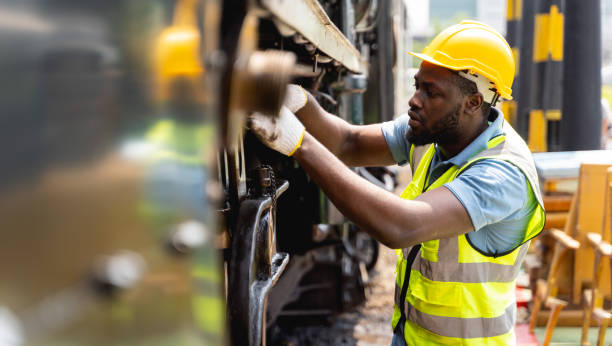
A mechanic career can provide practical and rewarding opportunities in Nigeria’s automotive, transportation, logistics, construction and industrial sectors. As individuals and businesses continue to depend on cars, trucks, buses, generators and heavy equipment, skilled mechanics remain important for keeping vehicles and machinery operational.
A mechanic career in Nigeria can begin through apprenticeship or vocational training and progress into specialised technical, supervisory and fleet maintenance positions.
Why Choose a Mechanic Career in Nigeria?
Mechanics are needed in many industries because vehicles and machinery require regular servicing, inspections and repairs.
A mechanic career can offer opportunities in:
- Automobile repair
- Truck maintenance
- Diesel mechanics
- Fleet maintenance
- Heavy equipment
- Construction machinery
- Generator maintenance
- Industrial machinery
- Agricultural equipment
- Transport operations
- Logistics and haulage
With experience and additional training, mechanics can also move into supervisory and management positions.
How to Start a Mechanic Career
There are several ways to enter the profession.
One common route is through an apprenticeship where you work under an experienced mechanic and develop practical skills.
Another option is technical or vocational training followed by hands-on workshop experience.
You can also study areas such as:
- Motor Vehicle Mechanics
- Automotive Technology
- Mechanical Engineering
- Mechanical Engineering Technology
- Diesel Technology
- Heavy Equipment Maintenance
Combining formal education with practical experience can create a stronger foundation for your career.
Important Mechanic Skills
Successful mechanics need both technical knowledge and practical ability.
Important skills include:
- Engine diagnostics
- Engine repair
- Transmission servicing
- Brake-system maintenance
- Suspension repairs
- Electrical troubleshooting
- Vehicle inspection
- Preventive maintenance
- Diagnostic scanner operation
- Hydraulic-system maintenance
- Fault diagnosis
- Workshop safety
Good problem-solving skills are particularly important because mechanics must identify the cause of faults before deciding how to repair them.
Types of Mechanic Careers
There are several specialisations you can pursue.
Automobile Mechanic
Automobile mechanics work mainly on cars and light commercial vehicles. They handle servicing, diagnostics, engine repairs, brakes, suspension and electrical systems.
Diesel Mechanic
Diesel mechanics specialise in diesel-powered vehicles and equipment such as trucks, buses, generators and heavy machinery.
Heavy-Duty Mechanic
Heavy-duty mechanics maintain trucks, trailers, construction equipment and other large machines.
Fleet Mechanic
Fleet mechanics maintain multiple vehicles belonging to transport, logistics, delivery or commercial businesses.
Equipment Mechanic
Equipment mechanics maintain machinery used in construction, manufacturing, agriculture and other industrial operations.
Industrial Mechanic
Industrial mechanics maintain mechanical systems and machinery used in factories, plants and industrial facilities.
Mechanic Apprenticeship in Nigeria
Apprenticeship remains an important route into the mechanical profession.
An apprentice can learn:
- Workshop procedures
- Proper tool usage
- Vehicle servicing
- Engine repairs
- Fault diagnosis
- Brake repairs
- Suspension maintenance
- Electrical troubleshooting
- Preventive maintenance
- Workshop safety
The quality of your training depends heavily on the experience and standards of the mechanic or workshop where you learn.
Qualifications for a Mechanic Career
Depending on your career goals, useful qualifications include:
- Technical college certificates
- NABTEB
- Trade Test certification
- Motor Vehicle Mechanics
- Automotive Technology
- OND Mechanical Engineering
- HND Mechanical Engineering
- Mechanical Engineering degrees
- Vocational training certificates
Formal qualifications can be especially useful when applying for positions with larger companies.
Building Experience
Practical experience is one of the most important parts of becoming a successful mechanic.
Start by working on common vehicle systems and gradually develop experience with more complex repairs.
Keep track of:
- Vehicles worked on
- Repairs completed
- Diagnostic problems solved
- Equipment used
- Maintenance procedures performed
- Technical training completed
This experience can later be used to strengthen your CV.
What Should Your CV Include?
A mechanic CV should focus on practical abilities rather than simply listing job titles.
Include:
- Technical qualifications
- Apprenticeship experience
- Years of experience
- Vehicle types handled
- Engine experience
- Transmission experience
- Brake and suspension skills
- Electrical diagnostics
- Diagnostic equipment
- Preventive maintenance
- Fleet experience
- Safety knowledge
For example:
“Five years’ experience in automobile and commercial vehicle maintenance, specialising in engine diagnostics, transmission repairs, braking systems, suspension, electrical troubleshooting and preventive maintenance.”
Mechanic Career Progression
A mechanic can build a career through different levels.
Apprentice → Junior Mechanic → Mechanic → Senior Mechanic → Lead Technician → Workshop Supervisor → Maintenance Manager
Those specialising in fleet operations may progress into:
Fleet Mechanic → Senior Fleet Technician → Fleet Maintenance Supervisor → Fleet Maintenance Manager
Additional technical training can help you move into specialised positions.
Skills That Can Increase Your Earning Potential
Mechanics can improve their career opportunities by developing specialised skills.
Useful areas include:
- Diesel diagnostics
- Heavy-duty truck repair
- Automotive electronics
- Computerised vehicle diagnostics
- Hydraulic systems
- Air-brake systems
- Fleet maintenance
- Automatic transmission repair
- Air-conditioning systems
- Construction equipment maintenance
Specialised skills can make you more competitive for technical positions.
Working as an Independent Mechanic
Experienced mechanics can eventually establish their own workshops.
Running your own workshop requires more than technical ability. You also need:
- Customer service
- Business management
- Spare-parts knowledge
- Record keeping
- Pricing skills
- Financial management
- Workshop organisation
- Marketing
Building a reputation for honest diagnosis and quality repairs can help attract repeat customers.
What Travo.ng Can Do
Travo.ng provides transportation, mobility and logistics solutions for individuals and businesses. These operations depend on reliable vehicles and properly maintained transportation equipment.
For people pursuing a mechanic career, developing strong vehicle maintenance, diagnostic and fleet servicing skills can create opportunities within Nigeria’s growing transportation and logistics sector.
Why Choose Travo.ng?
Travo.ng focuses on practical transportation and logistics solutions designed around the needs of individuals and businesses.
Reliable transportation depends on properly maintained vehicles and efficient mobility services. Travo.ng understands the importance of dependable transportation for businesses and everyday users.
Where Can Mechanics Work in Nigeria?
Mechanics can find opportunities with:
- Automotive workshops
- Transport companies
- Logistics companies
- Haulage companies
- Fleet operators
- Construction companies
- Manufacturing companies
- Agricultural businesses
- Oil and gas companies
- Mining companies
- Vehicle dealerships
- Equipment-service companies
How to Build a Successful Mechanic Career
To build a strong long-term career:
- Learn the fundamentals properly.
- Get hands-on workshop experience.
- Develop diagnostic skills.
- Learn how modern vehicles work.
- Keep improving your technical knowledge.
- Invest in quality tools.
- Follow proper safety procedures.
- Keep records of your experience.
- Develop good communication skills.
- Consider specialising in a high-demand area.
The Future of the Mechanic Profession
Vehicles are becoming increasingly electronic and computer-controlled. Mechanics who understand both mechanical and electronic systems can be better prepared for modern automotive work.
Learning computerised diagnostics, vehicle electronics and modern maintenance techniques can help mechanics remain competitive as vehicle technology continues to develop.
A mechanic career in Nigeria can provide opportunities for employment, specialisation and entrepreneurship. With practical experience, technical training and continuous learning, you can progress from an apprentice into a highly skilled technician, supervisor or workshop owner.
