


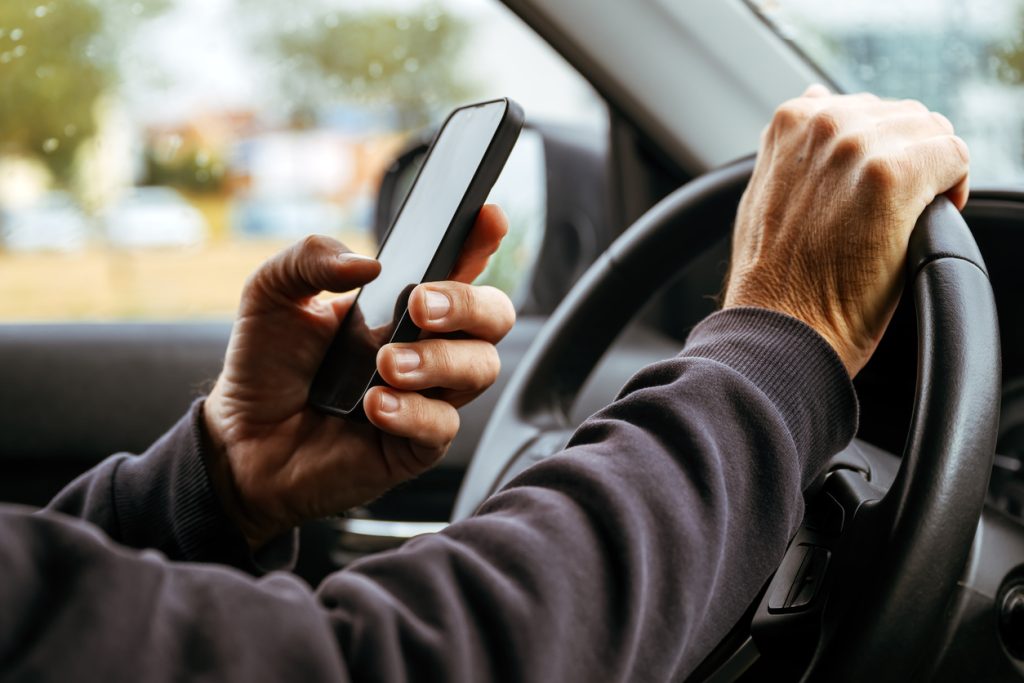
Managing company drivers involves more than calling to ask where a vehicle is. Fleet managers need to know whether assigned routes are being followed, how long vehicles remain at delivery points and whether drivers are handling company assets responsibly.
This is where driver monitoring in Nigeria becomes valuable. A reliable monitoring process provides useful information about daily journeys, driving behaviour and vehicle usage. It can help logistics companies, schools, construction firms, transport operators and businesses with sales vehicles reduce avoidable losses while improving safety.
What Fleet Managers Can See During Each Journey
Basic vehicle tracking may only show a vehicle’s location. Driver monitoring gives managers a clearer picture of what happened before, during and after a trip.
Depending on the system, businesses may be able to monitor:
- Excessive speeding
- Harsh braking and acceleration
- Long engine-idling periods
- Unapproved route changes
- Vehicle use outside working hours
- Delays at pickup and delivery locations
- Repeated stops along a route
- Driver arrival and departure times
Consider a delivery van assigned to move orders from Ikeja to customers in Lekki. Traffic around Maryland, Third Mainland Bridge or Victoria Island may genuinely delay the trip. However, monitoring records may also reveal that the driver spent 35 minutes at an unauthorised stop before entering the congested area.
That information helps the operations team address the real problem instead of blaming every delay on Lagos traffic.
Monitoring Drivers Across Interstate Routes
Supervising drivers becomes more difficult when vehicles travel between states. A truck moving goods from Lagos to Abuja may experience congestion around Berger, road delays near Lokoja or a mechanical issue before reaching its destination.
Without live journey visibility, the dispatcher may not know whether the delay was caused by traffic, a breakdown, driver fatigue or an unnecessary diversion.
Driver monitoring allows the business to compare the planned route with the actual journey. Managers can confirm departure times, stopping points, route changes and the amount of time spent at each location.
This is useful for:
- Interstate cargo movement
- Courier and parcel delivery
- Staff transportation
- School bus operations
- Corporate vehicle fleets
- Field service teams
- Construction and haulage vehicles
Travo.ng can support businesses coordinating vehicle hire, cargo logistics, deliveries and transport movements across Nigerian cities and interstate corridors.
How Poor Driving Habits Increase Fuel Costs
Fuel remains one of the largest expenses for Nigerian fleet operators. Poor driving behaviour can increase consumption without creating an obvious problem on the surface.
Aggressive acceleration, repeated speeding, unnecessary detours and long idling periods all waste fuel. A driver may leave the engine running while waiting at a warehouse, customer location or loading bay for 30 minutes or longer.
When trip records are reviewed regularly, managers can identify these patterns and compare driver performance over time. The information can then be used for practical coaching rather than immediate punishment.
Drivers who consistently follow approved routes, reduce idling and handle vehicles carefully can also be recognised. This makes the monitoring process feel fairer and encourages better performance.
What to Check Before Choosing a Monitoring System
A small courier business operating five motorcycles does not need the same setup as a haulage company managing 50 trucks.
Before choosing a system, confirm that it answers the questions your operations team deals with every day:
- Can it identify the driver assigned to each vehicle?
- Does it send speeding and route-deviation alerts?
- Can managers review previous trips?
- Does it work beyond Lagos and Abuja?
- Can reports be accessed from a mobile phone?
- Is technical support available when a device stops reporting?
- Are the reports easy for supervisors to understand?
The best system is not necessarily the one with the most features. It is the one your team will actually use to make operational decisions.
Turning Monitoring Data Into Better Fleet Control
Installing equipment alone will not solve driver-management problems. Businesses must review reports consistently and establish clear rules for speeding, personal vehicle use, long stops and route deviations.
Drivers should also understand what is being monitored and why. Clear communication reduces disputes and helps everyone follow the same operating standards.
Effective driver monitoring in Nigeria can improve safety, fuel control, delivery performance and vehicle accountability. Travo.ng provides practical transport coordination, vehicle hire, courier delivery and cargo logistics support for businesses that need dependable movement across Nigeria.
With the right monitoring process and reliable logistics support, fleet owners can reduce uncertainty and make better decisions about every vehicle on the road.
