


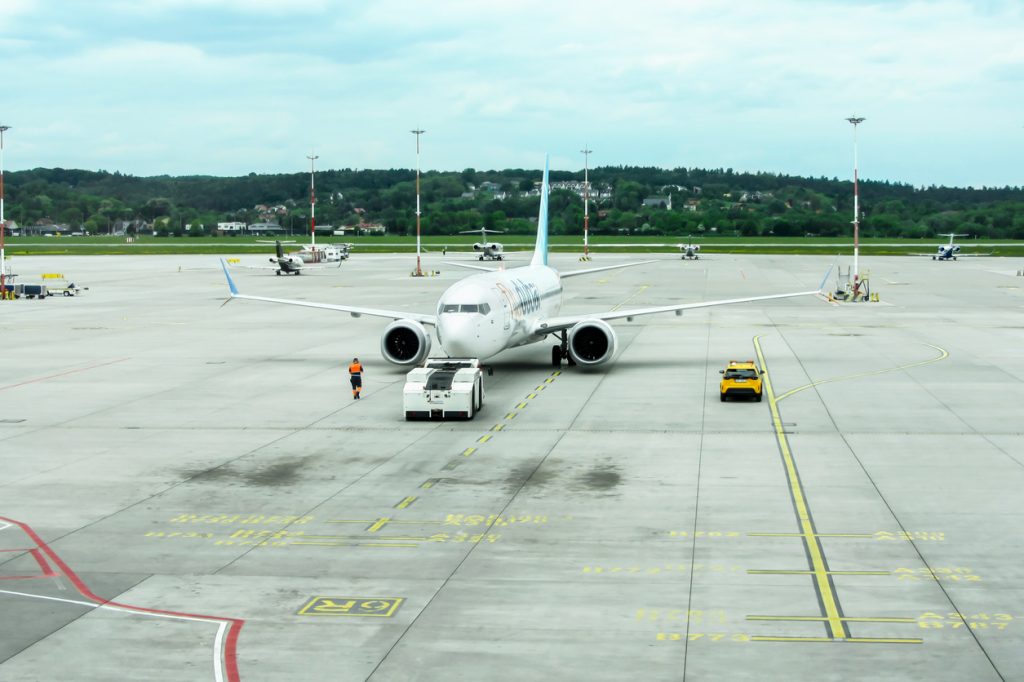
Ground operations efficiency in Africa depends on how well airports, airlines, ground handlers and other service providers coordinate activities around an aircraft. Passenger handling, baggage movement, cargo, refuelling, cleaning, catering, maintenance and ground support equipment all have to work together without compromising safety.
Efficient ground operations are especially important during aircraft turnaround, when several teams may be working around the same aircraft within a limited time. IATA identifies safety, standardisation, technology, equipment and workforce availability as important factors in improving ground handling efficiency. (IATA)
What Affects Ground Operations Efficiency?
Ground efficiency is influenced by much more than how quickly one team completes its task. The entire operation has to remain coordinated.
Important factors include:
- Availability of ground support equipment
- Number and skill level of ground personnel
- Aircraft turnaround procedures
- Baggage and cargo handling
- Ramp and stand availability
- Communication between operational teams
- Aircraft servicing schedules
- Loading and load-control procedures
- Airport infrastructure
- Availability of accurate operational information
A problem in one area can quickly affect another. For example, a late baggage operation can delay loading, which can then affect boarding and the aircraft’s departure time.
Improving Aircraft Turnaround Efficiency
Aircraft turnaround is one of the clearest areas where ground operations efficiency can be measured.
Before an aircraft arrives, ground teams need to know what services are required and have the necessary personnel and equipment ready. Once the aircraft is on stand, activities such as passenger disembarkation, baggage handling, cleaning, catering, fuelling and servicing can then proceed according to the planned sequence.
Digital turnaround systems can provide additional visibility by recording when individual tasks start and finish. IATA’s work on future ground operations highlights AI-supported turnaround monitoring and timestamped operational data as potential tools for improving coordination and reducing delays. (IATA)
Making Ground Support Equipment More Efficient
Ground support equipment includes baggage tractors, belt loaders, passenger stairs, pushback tractors, ground power units and other equipment used around aircraft.
Equipment that is unavailable or poorly maintained can leave personnel waiting and disrupt the turnaround schedule.
Airports and ground handlers can improve efficiency by:
- Monitoring equipment availability.
- Scheduling preventive maintenance.
- Tracking equipment location and utilisation.
- Reducing unnecessary movement across the ramp.
- Matching equipment levels to peak operating periods.
- Considering newer and more efficient equipment where practical.
IATA’s 2026 ground-handling guidance specifically highlights modern GSE, digitalisation and stronger standards as areas that can support safer and more efficient operations. (IATA)
Standardising Ground Handling Procedures
Different airlines and service providers may have different procedures, which can increase complexity for ground staff working across multiple operations.
Standardisation helps reduce unnecessary variations and gives employees a consistent process to follow. IATA’s ground operations standards identify standardisation as a way to improve operational efficiency, training quality and oversight while reducing complexity. (IATA)
For African airports handling multiple airlines, consistent procedures can make coordination easier, particularly when ground handlers work across several aircraft types or airline contracts.
Improving Communication Between Airport Teams
Ground operations involve many stakeholders. Airline operations teams, ground handlers, airport authorities, baggage teams, cargo operators, fuelling companies and maintenance personnel may all need information about the same aircraft.
Poor communication can create avoidable waiting time.
Collaborative operational systems can allow teams to share updates about aircraft arrival, turnaround progress, equipment and service completion. IATA notes that collaborative decision-making can improve information sharing and coordination among airport stakeholders. (IATA)
Using Technology to Monitor Ground Operations
Technology can provide airport managers with a clearer picture of what is happening on the ramp.
Possible applications include:
- Real-time aircraft turnaround monitoring
- GSE tracking
- Digital task allocation
- Baggage tracking
- Digital load reconciliation
- Staff scheduling
- Operational dashboards
- Predictive maintenance
- Automated alerts for delayed tasks
IATA reports that digital load reconciliation has helped early adopters reduce loading errors and operational delays, illustrating how targeted digital systems can address specific ground-operation problems. (IATA)
Technology, however, works best when it is integrated into existing operational procedures and supported by properly trained personnel.
Workforce and Training
People remain central to airport ground operations. Even advanced equipment and digital systems require trained employees who understand safety procedures, aircraft servicing requirements and the responsibilities of different teams.
Staff shortages can put additional pressure on existing teams and make it harder to maintain consistent turnaround performance. IATA lists labour shortages among the current challenges affecting ground operations. (IATA)
Regular training, clear responsibilities and standard operating procedures can help employees work more consistently while reducing avoidable errors.
Infrastructure and Ground Operations in Africa
Airport infrastructure also affects operational efficiency. Limited apron space, inadequate cargo facilities, outdated equipment or insufficient passenger-processing capacity can restrict how quickly an airport handles aircraft and passengers.
Infrastructure development is continuing in several African markets. For example, Uganda’s Arua Airport development includes new runway, taxiway, apron, passenger-terminal and cargo-terminal infrastructure designed to improve regional connectivity and capacity. (African Development Bank)
However, infrastructure improvements need to be supported by effective operational planning. A modern terminal alone cannot solve delays caused by poor equipment allocation, communication or workforce coordination.
How Travo.ng Can Support Airport-Related Logistics
Travo.ng supports the travel and transportation requirements connected to aviation operations rather than replacing specialist ground handlers or airport operators.
For example, an airline contractor travelling to Lagos for an airport project may need airport pickup, hotel accommodation and transportation between the airport, hotel and work location. Travo.ng can help coordinate these arrangements.
The same applies to aviation companies moving staff between cities or arranging transportation around demanding flight schedules. Depending on the requirement, Travo.ng can support travel bookings, hotel reservations, airport transfers, vehicle hire, delivery and wider transportation logistics.
This allows aviation businesses to coordinate the mobility side of their operations while specialist airport teams remain responsible for aircraft handling, ramp activities and other airside functions.
Measuring Ground Operations Performance
Improving efficiency requires more than simply trying to make every task faster. Airports and ground handlers need to identify where time and resources are actually being lost.
Useful performance measures can include:
- Average aircraft turnaround time
- On-time departure performance
- Baggage handling time
- GSE utilisation
- Loading and unloading time
- Equipment downtime
- Ground damage incidents
- Delays caused by individual service activities
- Staff productivity
- Recurring operational bottlenecks
Regularly reviewing this information can reveal patterns that are difficult to identify during day-to-day operations.
Building More Efficient Ground Operations
Ground operations efficiency in Africa will increasingly depend on combining reliable infrastructure with trained personnel, standardised procedures, modern equipment and better information sharing.
The objective should not simply be to shorten turnaround times. Safe operations, accurate loading, reliable baggage handling, equipment availability and predictable coordination are equally important.
For airports and airlines, the strongest improvements often come from connecting these areas rather than treating each ground operation as a separate activity. As African airports expand their passenger and cargo capacity, better coordination between people, equipment, technology and transportation will become increasingly important.
