


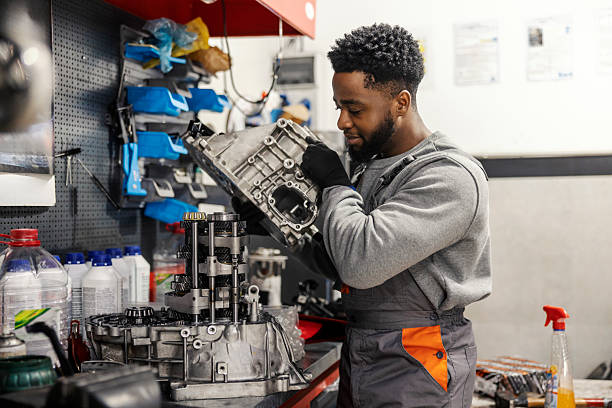
For graduates looking to build a career in automotive maintenance, fleet operations or mechanical engineering, graduate mechanic jobs in Nigeria can provide a practical route into the industry. Many employers recruit fresh graduates into trainee and junior technical positions where they can gain hands-on experience while working under experienced mechanics and engineers.
Recent Nigerian listings include graduate trainee roles focused on fleet maintenance, automotive systems, equipment operations and mechanical troubleshooting. Some accept candidates with 0–2 years of experience, making them suitable for recent graduates. (LinkedIn)
What Does a Graduate Mechanic Do?
A graduate mechanic or mechanical trainee may support experienced technicians with:
- Vehicle inspections
- Preventive maintenance
- Corrective repairs
- Mechanical fault diagnosis
- Electrical troubleshooting
- Fleet maintenance
- Equipment inspections
- Breakdown response
- Maintenance documentation
- Workshop safety checks
The exact responsibilities depend on the employer. Fleet-based roles can involve maintaining several vehicles and responding when vehicles develop faults on the road.
Graduate Trainee Roles Can Be a Good Starting Point
Not every employer advertises the position as “Graduate Mechanic.”
You should also search for:
- Graduate Mechanic
- Mechanic Graduate Trainee
- Graduate Engineering Trainee
- Automotive Graduate Trainee
- Mechanical Technician Trainee
- Maintenance Technician Trainee
- Assistant Technician
- Fleet Maintenance Trainee
- Automotive Technician Trainee
For example, a recent graduate trainee opportunity in the automotive sector covered fleet maintenance, vehicle inspections, preventive and corrective maintenance, fault diagnosis and breakdown response. It accepted candidates with 0–2 years of post-graduation experience. (LinkedIn)
What Qualifications Do Employers Look For?
Requirements vary between companies.
Common qualifications include:
- B.Sc. Mechanical Engineering
- B.Eng. Mechanical Engineering
- HND Mechanical Engineering
- Automotive Engineering qualifications
- Production or Industrial Engineering qualifications
- Relevant technical certifications
Some graduate trainee programmes also require NYSC completion or an exemption certificate. A recent automotive graduate trainee vacancy covering Lagos and other Nigerian locations required a BSc/HND in Mechanical or Electrical Engineering, 0–2 years’ experience and NYSC completion or exemption. (LinkedIn)
Practical Experience Can Give You an Advantage
Having a degree is useful, but mechanical employers also want graduates who understand how equipment actually works.
Experience from:
- SIWES
- Industrial training
- Apprenticeships
- Automotive workshops
- Engineering internships
- Personal vehicle repairs
- Technical projects
can strengthen your application.
A recent graduate mechanical trainee listing in Nigeria specifically mentioned previous IT and NYSC exposure as relevant experience. (BeBee)
Learn Automotive Diagnostics
Modern vehicles are increasingly dependent on electronic control systems, sensors and computerised diagnostics.
Graduate mechanics should consider developing skills in:
- OBD diagnostic scanners
- Fault-code interpretation
- Multimeter testing
- Sensor diagnosis
- Automotive wiring
- Battery and charging systems
- ECU and engine-management systems
- Preventive maintenance
Combining mechanical knowledge with electrical and diagnostic skills can make you more useful in a modern workshop.
Fleet Maintenance Is Another Career Route
Graduates don’t have to work only in traditional mechanic workshops.
Transport and logistics companies operate fleets of cars, buses, trucks and other commercial vehicles that require regular maintenance.
A fleet maintenance graduate trainee may assist with:
- Routine vehicle inspections.
- Preventive maintenance schedules.
- Breakdown response.
- Mechanical fault diagnosis.
- Repair coordination.
- Maintenance records.
- Monitoring recurring vehicle problems.
This type of experience can eventually lead to positions such as Fleet Maintenance Officer, Automotive Technician or Maintenance Supervisor.
Industrial Maintenance Is Also Worth Considering
Mechanical graduates can also work with industrial machinery rather than road vehicles.
Opportunities can involve:
- Pumps
- Motors
- Generators
- Conveyors
- Compressors
- Production equipment
- Hydraulic systems
- Pneumatic systems
A current graduate engineering trainee role in Ikeja, for example, involves maintenance activities, equipment inspections and troubleshooting mechanical and electrical problems under supervision. The advertised salary is ₦180,000–₦200,000 monthly. (Indeed)
What Should You Put on Your CV?
Your CV should make your practical abilities easy to identify.
Include:
- Degree or HND
- NYSC status
- SIWES experience
- Internship experience
- Workshop experience
- Mechanical projects
- Automotive skills
- Diagnostic skills
- Maintenance knowledge
- Computer or CAD skills
- Technical certifications
Don’t simply write “Mechanical Engineering graduate.”
Explain what you actually did during your industrial training, internship or technical projects.
Applications and CV Submission
Candidates interested in graduate mechanic opportunities and related technical roles should prepare an updated CV showing their academic qualifications, practical experience, mechanical skills and willingness to learn.
Applications and CVs should be sent to jobs@wigmoretrading.com.
Use Graduate Mechanic Application as the email subject and include your phone number, qualifications, NYSC status and relevant mechanical or automotive experience in your CV.
Preparing for the Interview
Graduate mechanic candidates may be asked questions such as:
- What is preventive maintenance?
- How would you diagnose a vehicle that refuses to start?
- What causes an engine to overheat?
- What is the purpose of an OBD scanner?
- How would you approach an unfamiliar mechanical fault?
- What mechanical systems did you work with during SIWES?
- What safety procedures should be followed during maintenance?
- Why do you want to work in automotive or mechanical maintenance?
You don’t need to know everything as a fresh graduate. Show that you understand the fundamentals and are prepared to learn from experienced technicians.
Where Can Graduate Mechanics Work?
Potential employers include:
- Automotive workshops
- Vehicle dealerships
- Transport companies
- Logistics companies
- Fleet operators
- Manufacturing companies
- Construction companies
- Equipment-service companies
- Oil and gas service companies
- Industrial maintenance companies
Recent Nigerian recruitment listings also show graduate opportunities across automotive and technical operations in Lagos, Ogun and other locations. (LinkedIn)
Building a Career After Graduate Training
A graduate mechanic position can be the beginning rather than the end of your technical career.
With experience, you can specialise in:
- Automotive diagnostics
- Diesel technology
- Fuel injection
- Fleet maintenance
- Heavy-duty vehicle maintenance
- Auto electrical systems
- Hydraulic systems
- Industrial maintenance
- Hybrid vehicle technology
- Electric vehicle technology
The most valuable technicians are those who can understand a problem, diagnose its actual cause and repair it safely rather than simply replacing parts.
For a graduate entering the Nigerian automotive industry, the combination of formal engineering knowledge, workshop experience and modern diagnostic skills can create a strong foundation for long-term career growth.
