


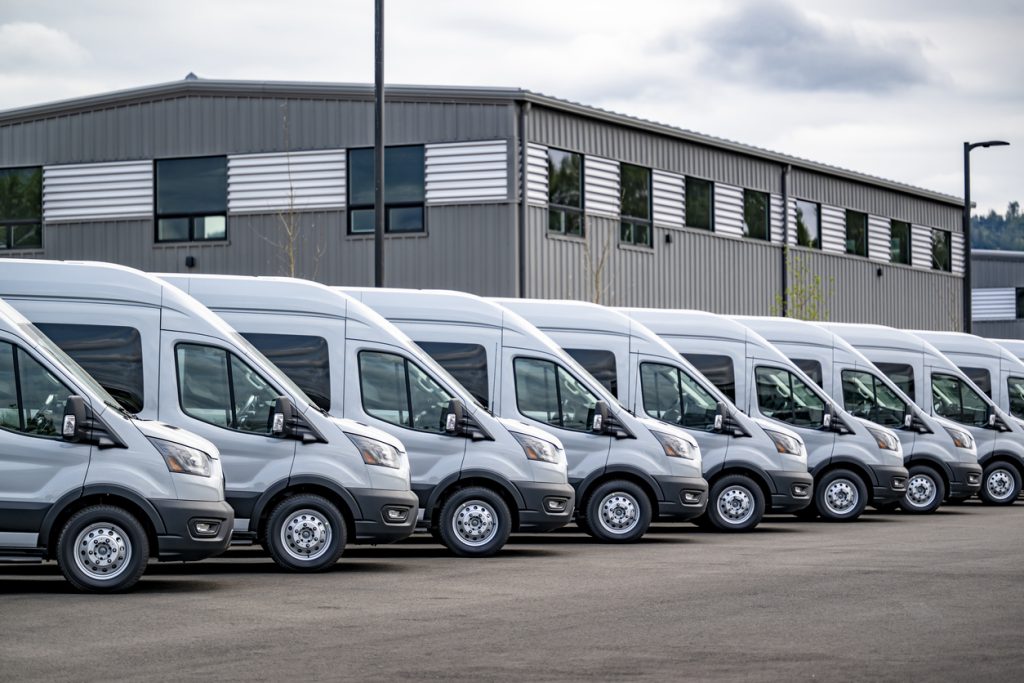
Running several business vehicles across Nigeria can quickly become difficult without accurate information. A driver may take an unapproved route, a delivery van may remain idle for hours, or a vehicle may break down because a maintenance date was missed.
With reliable fleet monitoring Nigeria support, businesses can track vehicle movement, review driver activity, reduce unnecessary fuel consumption, and respond faster when a trip does not go as planned.
This is useful for courier companies, distributors, construction firms, corporate transport teams, haulage operators, field service businesses, and organisations managing vehicles across several states.
What You Should Know While Your Vehicles Are on the Road
Knowing a vehicle’s location is helpful, but location alone does not provide enough information to manage a fleet properly.
A practical monitoring system should help your operations team see:
- Current vehicle location
- Trip departure and arrival times
- Long periods of idling
- Unexpected route changes
- Speed and driver behaviour
- Distance covered
- Fuel consumption patterns
- Maintenance and service dates
Consider a delivery van travelling from Ikeja to Lekki. If it remains around Maryland for an unusually long time, the dispatcher can contact the driver immediately. The delay may be caused by traffic, a customer issue, a mechanical fault, or an unauthorised stop.
Without monitoring, the business may only discover the problem after the customer complains.
Lagos Traffic Makes Route Visibility Essential
Travel times in Lagos are rarely predictable. A trip from Yaba to Victoria Island may take less than an hour during a quiet period but stretch much longer during morning traffic, heavy rainfall, or road diversions.
Fleet tracking allows dispatch teams to compare planned routes with actual road movement. When traffic builds around Apapa, Oshodi, Third Mainland Bridge, or the Lekki-Epe corridor, managers can redirect available vehicles or adjust delivery expectations.
This is especially important for same-day deliveries, airport pickups, staff transportation, ecommerce distribution, and time-sensitive business collections.
Businesses operating in Abuja, Port Harcourt, Ibadan, and Kano face similar challenges, particularly during peak periods and on routes affected by construction or flooding.
Where Fuel and Operating Costs Usually Increase
Fuel is one of the biggest daily expenses for Nigerian fleet operators. Unnecessary idling, poor driving habits, route diversions, and unofficial vehicle use can increase costs without immediately appearing in basic expense records.
For example, a vehicle assigned to deliveries between Surulere and Victoria Island should cover a reasonably predictable distance. If its daily mileage is consistently much higher, trip reports can help determine what is happening.
However, unusual fuel use is not always caused by driver misconduct. It may also reveal:
- Unrealistic delivery schedules
- Frequent waiting at customer locations
- Poor route planning
- Mechanical problems
- Excessive traffic exposure
- Too many collections assigned to one vehicle
Good monitoring helps managers fix the real operational problem instead of relying on assumptions.
Maintenance Is Easier When Mileage Is Recorded
Vehicles used regularly for deliveries and interstate trips require planned servicing. Missing an oil change, tyre inspection, brake check, or engine service can lead to breakdowns and expensive recovery arrangements.
Mileage-based alerts allow businesses to schedule maintenance before vehicles develop serious faults. This is particularly valuable for fleets operating regularly on routes such as Lagos to Ibadan, Abuja to Kaduna, or Port Harcourt to Owerri.
Preventive maintenance also makes it easier to rotate vehicles without disrupting customer deliveries.
Choose a System That Matches Your Fleet
A company operating six delivery bikes will not have the same requirements as a haulage business managing forty trucks.
Before choosing a fleet monitoring provider, confirm that the service offers accurate tracking, clear reports, reliable coverage, maintenance alerts, driver records, and responsive technical support.
You should also ask about installation time, subscription charges, device replacement, data access, and whether managers can monitor vehicles from both mobile phones and computers.
Manage Business Transport More Efficiently With Travo.ng
Travo.ng supports businesses with transport coordination, vehicle hire, delivery services, cargo movement, and practical logistics management across Nigeria.
By combining fleet monitoring Nigeria solutions with organised dispatch planning, businesses can reduce avoidable delays, improve vehicle accountability, control operating costs, and provide customers with more reliable delivery updates.
Whether you manage a small local fleet or vehicles travelling across multiple states, Travo.ng can help you build a more organised and visible transport operation.
