


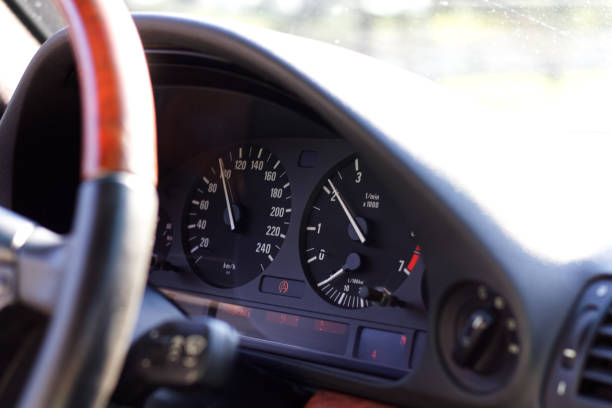
A fuel monitoring tracker in Nigeria is a system used by businesses and vehicle owners to track how fuel is being consumed, where it is going, and whether it matches actual vehicle usage. It is one of the most practical tools for reducing fuel theft, controlling operational costs, and improving efficiency in logistics and transport businesses.
In busy commercial cities like Lagos, where fleets of trucks, vans, and dispatch vehicles are constantly moving, fuel remains one of the biggest operating expenses—and also one of the easiest places for losses to happen.
What a fuel monitoring tracker actually does
A fuel monitoring tracker is a device or system that measures fuel levels and consumption in real time or through reports.
It helps you:
- Track how much fuel is in the tank
- Monitor fuel usage during trips
- Detect sudden fuel drops or theft
- Compare fuel consumption vs distance travelled
- Generate reports for business analysis
- Improve fuel efficiency across fleets
It turns fuel usage into measurable data instead of guesswork.
How fuel monitoring systems work in Nigeria
Fuel monitoring is usually combined with GPS tracking for full visibility.
Here’s how it works:
- A fuel sensor is installed in the vehicle’s tank
- The sensor measures fuel level changes continuously
- Data is sent to a tracking platform via GPS/GSM network
- The system records fuel usage, refills, and drops
- Managers view everything on a dashboard or mobile app
Some systems also integrate with vehicle tracking devices for full fleet control.
Why fuel monitoring is important in Nigeria
Fuel cost is one of the biggest challenges for transport and logistics businesses.
Fuel monitoring helps because it:
- Reduces fuel theft and unauthorized siphoning
- Improves cost control for fleets
- Helps detect inefficient driving behavior
- Prevents false fuel claims from drivers
- Improves budgeting and planning accuracy
- Increases profitability for logistics operations
In cities like Lagos, where traffic increases fuel consumption, monitoring becomes even more important.
Key features of a good fuel monitoring tracker
A reliable system should provide accurate and real-time insights.
Important features include:
- Real-time fuel level monitoring
- Fuel consumption reports per trip
- Alerts for sudden fuel drops or leaks
- Refuel detection and recording
- Integration with GPS tracking systems
- Driver behavior correlation (speed, idling, etc.)
- Dashboard access for fleet managers
These features help businesses control fuel at every stage.
Common fuel problems without monitoring systems
Without proper tracking, businesses often face hidden losses.
Typical issues include:
- Fuel theft by drivers or staff
- Fake fuel refill claims
- Excessive fuel consumption without explanation
- Poor maintenance leading to high usage
- Lack of visibility into operating costs
- Difficulty tracking performance across vehicles
These issues are common in both small and large fleets.
How fuel monitoring improves logistics in Lagos
In a high-traffic environment like Lagos, fuel usage is heavily influenced by traffic, routes, and driving behavior.
Fuel monitoring helps companies:
- Identify fuel waste caused by traffic idling
- Optimize routes for lower fuel consumption
- Monitor delivery efficiency in real time
- Reduce unnecessary trips or detours
- Improve planning for dispatch operations
This leads to better cost control and higher efficiency.
Types of fuel monitoring systems used in Nigeria
Different systems are used depending on business needs.
1. Basic fuel tracking (manual + reports)
Used for simple monitoring and small fleets.
2. Sensor-based fuel monitoring
Uses probes installed inside the tank for accuracy.
3. GPS + fuel integrated systems
Combines tracking and fuel data for full fleet control.
4. Advanced analytics systems
Used by large logistics companies for detailed reporting and forecasting.
Common mistakes businesses make with fuel tracking
Even with systems installed, some companies still lose money.
Mistakes include:
- Installing low-quality fuel sensors
- Ignoring calibration during installation
- Not reviewing fuel reports regularly
- Failing to integrate with GPS tracking
- Not training drivers or staff on usage policies
A system only works when properly maintained and monitored.
Fuel monitoring for different types of businesses
Fuel tracking is used across many industries.
Common users include:
- Logistics and delivery companies
- Trucking and cargo transport businesses
- Construction and heavy equipment fleets
- FMCG distribution companies
- Corporate transport fleets
Even small businesses benefit from fuel control systems.
How Travo.ng supports fuel monitoring and fleet efficiency
Fuel monitoring becomes more effective when combined with proper logistics coordination and tracking systems.
Travo.ng supports businesses by helping coordinate:
- Vehicle movement for tracker and sensor installation
- Logistics planning for fleet operations
- Transport coordination across Nigerian cities
- Mobility support for fuel-efficient operations
This helps businesses connect fuel data with real-world logistics decisions.
Final thoughts on fuel monitoring trackers in Nigeria
A fuel monitoring tracker is one of the most effective tools for reducing operational costs in transport and logistics. It provides clarity on fuel usage, improves accountability, and helps businesses eliminate hidden losses.
In fast-moving environments like Lagos, where fuel efficiency directly affects profitability, fuel monitoring systems are becoming essential for any serious fleet operation.
