


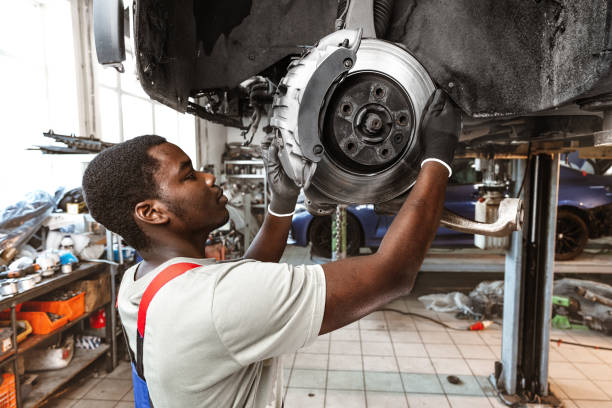
Fuel injection problems can cause hard starting, poor acceleration, excessive fuel consumption, rough idling and engine performance issues. This makes skilled fuel injection technicians important to automotive workshops, fleet operators and vehicle maintenance businesses.
For anyone searching for fuel injection technician jobs, practical experience with modern fuel systems, diagnostic equipment and engine troubleshooting can make a candidate more competitive.
What Does a Fuel Injection Technician Do?
A fuel injection technician diagnoses, services and repairs vehicle fuel delivery systems.
Depending on the vehicle and employer, duties may include:
- Diagnosing fuel injection faults
- Testing fuel injectors and related components
- Checking fuel pressure and delivery
- Inspecting fuel pumps and fuel lines
- Diagnosing starting and idling problems
- Testing electronic fuel injection systems
- Cleaning or replacing faulty injectors
- Using diagnostic scanners to identify engine-management faults
- Checking sensors associated with fuel delivery
- Carrying out post-repair testing
The technician needs to determine whether a performance problem is actually caused by fuel delivery or by another system such as ignition, sensors, compression or electrical components.
Skills Employers Look For
A strong fuel injection technician should understand both mechanical and electronic engine systems.
Useful skills include:
- Petrol and diesel fuel injection systems
- Common-rail diesel systems
- Electronic fuel injection
- Injector testing
- Fuel pressure testing
- Fuel pump diagnosis
- Engine diagnostic scanning
- Sensor testing
- Automotive electrical systems
- Engine performance troubleshooting
Experience with different vehicle makes and models can also be valuable, especially in busy Nigerian workshops.
Why Diagnostic Skills Matter
Modern fuel injection systems are closely connected to the vehicle’s electronic control systems. A technician may need to use a scan tool to identify engine-management faults before physically inspecting the fuel system.
For example, poor acceleration does not automatically mean that the injectors need cleaning. The problem could involve fuel pressure, an air-flow sensor, oxygen sensor, ignition system, wiring or another engine component.
Good diagnostic reasoning helps prevent unnecessary repairs and replacement costs.
Where Fuel Injection Technicians Can Work
Potential employers include:
- Automobile workshops
- Diesel and injection service centres
- Vehicle dealerships
- Fleet maintenance companies
- Logistics businesses
- Transport companies
- Automotive service centres
- Commercial vehicle maintenance operations
Technicians with diesel and common-rail experience can be particularly useful to businesses operating commercial vehicles and larger fleets.
What to Put on Your CV
When applying for fuel injection technician jobs, make your CV specific about your practical abilities.
Include:
- Years of experience
- Petrol or diesel systems you specialise in
- Vehicle brands you have worked on
- Injector testing and servicing experience
- Diagnostic tools you can operate
- Fuel-pressure testing experience
- Automotive electrical knowledge
- Relevant technical qualifications
- Previous workshops or employers
- Examples of fuel-system faults you have diagnosed
If you have experience with common-rail diesel systems, electronic injectors or computerised engine management, highlight it prominently.
Applications and CV Submission
Candidates interested in fuel injection technician opportunities should prepare an updated CV showing their experience with fuel systems, diagnostics and vehicle maintenance.
Applications and CVs should be sent to jobs@wigmoretrading.com.
Use Fuel Injection Technician Application as the email subject and include your current phone number and relevant technical qualifications.
Preparing for the Interview
You may be asked practical questions about common fuel-system problems.
Be prepared to explain how you would investigate:
- A vehicle that is difficult to start.
- Excessive fuel consumption.
- Poor acceleration.
- Rough or unstable idling.
- A diesel vehicle producing excessive smoke.
- An injector-related fault code.
- Low fuel pressure.
Explain your process rather than immediately recommending a replacement part. Employers want technicians who can test, diagnose and confirm a fault before carrying out repairs.
Developing Your Career as a Fuel Injection Technician
Fuel-system technology continues to develop, particularly as vehicles increasingly combine mechanical components with electronic engine-management systems.
Technicians who build expertise in fuel injection, automotive electrical systems and computerised diagnostics can position themselves for broader automotive diagnostic and maintenance roles.
For anyone pursuing fuel injection technician jobs, hands-on experience, accurate fault diagnosis and knowledge of modern fuel systems are valuable skills that can help you stand out to employers.
