


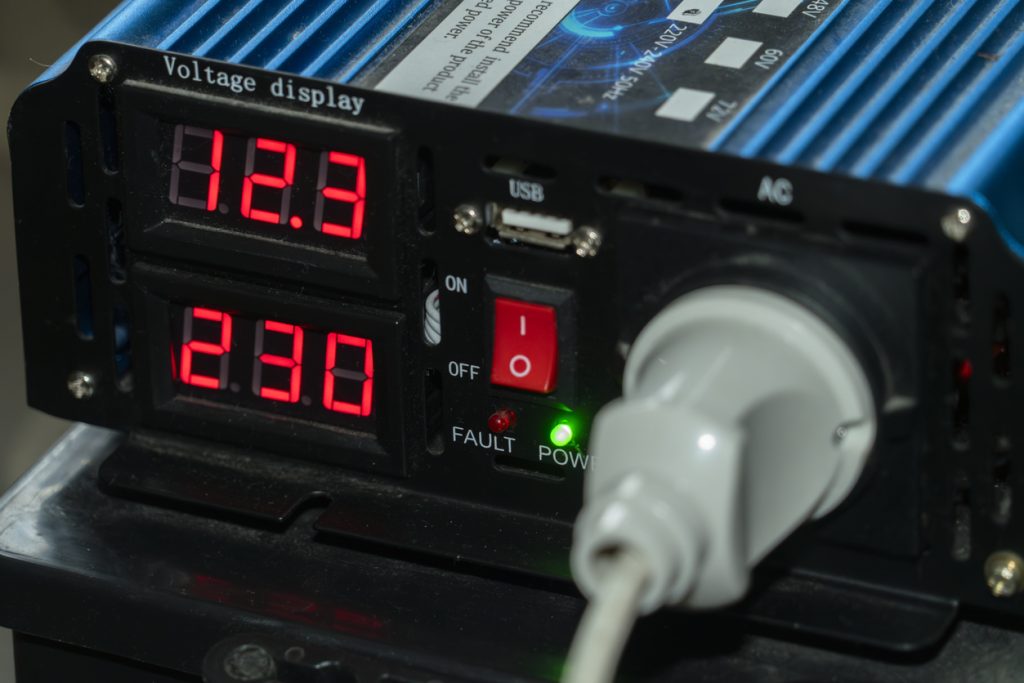
An inverter overload fault can be frustrating, especially when you depend on your inverter to keep lights, appliances, office equipment, or other essential devices running during power outages in Abuja.
The fault usually appears when the appliances connected to the inverter demand more power than the system can safely supply. However, an overload warning does not always mean the inverter itself is bad. The connected appliances, wiring, batteries, or the inverter’s capacity may all be part of the problem.
What an Inverter Overload Fault Means
An overload fault generally means the electrical load connected to the inverter has exceeded its safe operating capacity.
For example, an inverter may comfortably power:
- A few lights
- Television
- Wi-Fi router
- Fans
- Laptop and phone chargers
But adding a pressing iron, microwave, refrigerator, pumping machine, or air conditioner can push the system beyond its capacity, particularly if several high-power appliances start at the same time.
This is common in homes and small businesses where additional appliances are gradually connected to an existing inverter without checking the total load.
Common Causes in Abuja Homes and Offices
One of the first things to check is what was switched on immediately before the fault appeared.
Common causes include:
Too many appliances running at once: High-load appliances such as irons, kettles, microwaves and air conditioners can quickly consume available inverter capacity.
Starting current from appliances: Some equipment, particularly refrigerators, freezers and pumps, requires a higher surge of power when starting than when running normally.
An inverter that is too small: An inverter that was adequate for a small apartment may struggle after additional appliances are introduced.
Battery or system problems: A weak battery bank or another component fault can sometimes cause unusual inverter behaviour and should be checked by a qualified technician.
Incorrect installation or wiring: Poor connections or an improperly configured system can also contribute to repeated faults.
What to Do When the Overload Warning Appears
Do not keep switching appliances on and off randomly while the inverter is showing an overload fault.
Instead:
- Switch off or unplug heavy appliances.
- Check the inverter display for the fault code or warning.
- Reduce the connected load and allow the inverter to reset if the manufacturer’s instructions permit it.
- Reconnect essential appliances one at a time.
- If the fault returns even with a light load, arrange for the system to be inspected.
Avoid opening the inverter or attempting electrical repairs yourself. Inverter systems can contain components that remain electrically hazardous even after the unit has been switched off.
When You Should Call for Technical Support
If the inverter continues showing an overload fault when only a few appliances are connected, the issue may require professional diagnosis.
This is particularly important if you notice:
- Repeated shutdowns
- Burning smells
- Unusual heat
- Sparking or damaged cables
- Battery swelling or leakage
- Faults occurring without an obvious increase in load
For homes, offices and businesses in Abuja, getting the system checked properly can be more useful than repeatedly resetting the inverter. A technician can assess the inverter capacity, connected load, battery condition and installation.
Getting Power or Technical Support in Abuja
If you are managing a home, office, property or business operation in Abuja and need help coordinating a technical or logistics-related service, Travo.ng can help connect your requirements with practical service solutions.
For larger properties or businesses, it can also be useful to arrange support around the location, equipment access and timing so that a technician can work without unnecessary delays.
If your inverter is repeatedly going into overload, treat the warning as a sign to investigate the system rather than simply resetting it. Identifying the appliance or system causing the excessive load can prevent repeated shutdowns and help protect your equipment.
