


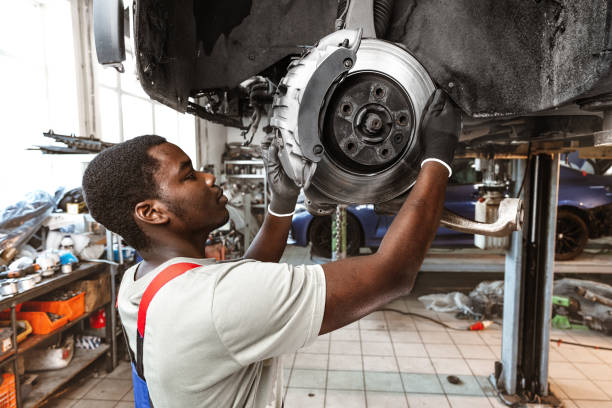
Modern vehicles depend on electronic engine management systems to control fuel delivery, ignition, emissions and overall engine performance. This makes an engine management technician an important part of a modern automotive workshop, especially when diagnosing problems that cannot be identified through mechanical inspection alone.
Engine management training typically covers areas such as automotive electrical systems, diagnosis and troubleshooting, and electronic engine-control systems.
What Does an Engine Management Technician Do?
An engine management technician diagnoses and repairs faults involving the electronic systems responsible for engine operation.
Typical duties include:
- Diagnosing engine warning lights
- Using professional vehicle diagnostic scanners
- Reading and interpreting fault codes
- Testing sensors and actuators
- Diagnosing fuel injection problems
- Checking ignition and engine-control systems
- Troubleshooting wiring and electrical faults
- Testing ECU-related problems
- Checking engine performance and emissions systems
- Carrying out post-repair diagnostic checks
The technician must be able to distinguish between a fault code and the actual cause of a problem. Replacing a component simply because a scanner identifies it can lead to unnecessary repair costs.
Skills Employers Look For
Candidates applying for engine management technician jobs should ideally have a combination of mechanical, electrical and diagnostic knowledge.
Important skills include:
- OBD diagnostic scanning
- Electronic fuel injection
- Engine sensors and actuators
- ECU diagnostics
- Automotive electrical systems
- Wiring and circuit testing
- Ignition systems
- Fuel-system diagnostics
- Engine performance testing
- Diagnostic trouble-code interpretation
Experience with professional diagnostic equipment can also strengthen a candidate’s application.
Experience With Different Vehicles Matters
Automotive technicians in Nigeria may encounter several makes and models in the same workshop. Experience with Toyota, Lexus, Mercedes-Benz, Honda, Ford, Hyundai, Kia and other common vehicles can therefore be useful.
Technicians who understand both petrol and diesel engine-management systems may also have access to a wider range of opportunities.
As vehicle technology develops, knowledge of hybrid and electric systems can provide an additional advantage for technicians looking to specialise.
Where Can Engine Management Technicians Work?
Potential employers include:
- Automotive workshops
- Vehicle dealerships
- Fleet management companies
- Transport businesses
- Logistics companies
- Vehicle maintenance centres
- Car rental companies
- Commercial vehicle operators
For fleet businesses, accurate engine diagnosis can help reduce vehicle downtime and prevent repeated workshop visits.
What Should You Include on Your CV?
When applying for engine management technician jobs, make your CV demonstrate your actual technical abilities.
Include:
- Years of automotive experience
- Diagnostic scanners and equipment you can use
- Vehicle brands you have worked on
- Petrol and diesel experience
- ECU diagnostic experience
- Electrical troubleshooting skills
- Fuel injection knowledge
- Relevant technical qualifications
- Previous workshops or employers
- Specific engine faults you have successfully diagnosed
If you have experience diagnosing difficult intermittent faults, mention it. That type of practical experience can be particularly valuable to an employer.
Applications and CV Submission
Candidates interested in engine management technician opportunities should prepare an updated CV highlighting their diagnostic experience, automotive qualifications and technical skills.
Applications and CVs should be sent to jobs@wigmoretrading.com.
Use Engine Management Technician Application as the email subject and make sure your CV contains your current contact details.
Preparing for the Interview
A technical interview may involve practical fault-diagnosis questions.
You could be asked how you would investigate:
- An engine warning light.
- A vehicle that cranks but refuses to start.
- Poor acceleration.
- Rough or unstable idling.
- Excessive fuel consumption.
- An intermittent electrical fault.
- A recurring sensor or ECU fault.
Explain your diagnostic process clearly: understand the symptoms, scan the vehicle where appropriate, carry out physical and electrical tests, identify the root cause, complete the repair and verify the result.
Building a Career in Engine Management
Engine management is becoming increasingly connected to advanced automotive electronics. Technicians who continue developing their knowledge of ECU systems, electronic fuel injection, vehicle communication networks and advanced diagnostics can move into more specialised diagnostic roles.
For anyone searching for engine management technician jobs, practical workshop experience combined with strong electronic diagnostic skills can make a CV stand out.
