


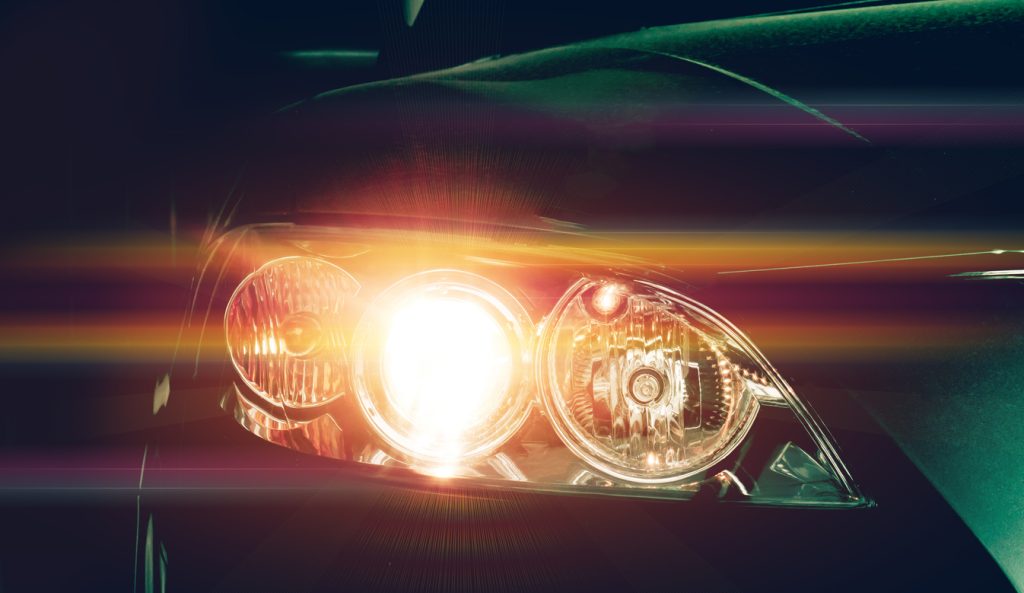
Dipped headlights are the normal forward-facing headlights used when you need better visibility without shining bright light directly into the eyes of other road users.
They are especially useful when driving at night, during poor visibility and on roads where using full beam could dazzle approaching drivers.
What Are Dipped Headlights?
Dipped headlights, also called low-beam headlights, point light towards the road ahead without projecting it as far or as intensely as full beam.
They are different from:
- Full-beam headlights
- Daytime running lights
- Fog lights
- Parking or sidelights
- Hazard lights
The exact headlight controls vary between vehicles, so check your owner’s manual if you are unsure which setting activates the dipped headlights.
When Should You Use Dipped Headlights?
Dipped headlights are commonly used when driving at night, particularly when there are other road users nearby.
They are also useful when:
- Driving through poorly lit areas
- Approaching another vehicle
- Following another vehicle
- Driving in conditions with reduced visibility
- Passing through areas where street lighting is limited
The main purpose is to see the road while reducing glare for other drivers.
Dipped Headlights vs Full Beam
Full beam provides a longer and brighter beam of light, making it useful when travelling on dark roads with little or no traffic.
However, full beam can dazzle other drivers.
When approaching an oncoming vehicle or following another vehicle closely, switch back to dipped headlights where appropriate.
In Nigeria, this is particularly important on major highways and rural roads where drivers may approach each other at night with limited visibility.
Why Are My Dipped Headlights Not Working?
If one dipped headlight stops working, the bulb may have failed.
Other possible causes include:
- Blown fuse
- Faulty wiring
- Damaged connector
- Faulty headlight switch
- Electrical control-module problem
- Corrosion around the connection
- Battery or charging-system problems
If both dipped headlights stop working at the same time, do not automatically assume both bulbs have failed. An electrical fault or fuse problem may be responsible.
Can I Drive With One Dipped Headlight?
It is better to fix a failed headlight as soon as possible rather than continuing to drive normally at night.
A single working headlight can reduce visibility and make it harder for other road users to judge the position and width of your vehicle.
If both headlights fail at night, find a safe place to stop rather than continuing a journey with inadequate forward lighting.
How to Replace a Dipped Headlight Bulb
On some vehicles, replacing the bulb is straightforward. On others, access to the headlight assembly can be difficult.
Before replacing a bulb:
- Confirm the correct bulb type.
- Switch off the vehicle.
- Allow the headlight to cool.
- Follow the manufacturer’s replacement instructions.
- Avoid touching certain halogen bulb glass directly with your fingers.
- Make sure the bulb is correctly seated.
- Test the headlights afterwards.
If the replacement bulb does not work, have the electrical system checked rather than repeatedly buying new bulbs.
Dipped Headlights and Nigerian Driving Conditions
Heat, dust, rain, potholes and frequent night driving can all affect vehicle lighting and visibility.
Dirty headlight lenses can also reduce the amount of light reaching the road. Clean the lenses regularly and inspect them for cracks, moisture or clouding.
During heavy rain, simply switching to brighter lights is not always the solution. Excessive glare can make visibility worse, so use the appropriate lighting setting for the conditions.
Check Your Headlight Alignment
Even when both bulbs are working, incorrectly aligned headlights can create problems.
If the beam points too high, it may dazzle approaching drivers. If it points too low, your ability to see the road ahead can be reduced.
After replacing a headlight assembly, changing suspension components or carrying out certain repairs, have the headlight alignment checked if necessary.
Dipped Headlights for Business and Delivery Vehicles
Businesses that operate vehicles at night should include lighting checks in their regular vehicle inspections.
Drivers should check:
- Dipped headlights
- Full beams
- Brake lights
- Indicators
- Reverse lights
- Hazard lights
- Rear lights
- Number-plate lights
A failed light can create unnecessary delays during a delivery or long-distance journey, so identifying the problem before leaving is better than discovering it on the road.
Tribal and Cultural Considerations
Nigeria has many communities and cultural backgrounds, so vehicle maintenance and road safety should be approached without making assumptions based on tribe or location.
When using a mechanic or auto-electrician, clearly explain the lighting problem and agree on the repair before work begins. Ask for the faulty component to be shown to you where practical, especially when replacing bulbs, fuses or other electrical parts.
How Travo.ng Can Help With Vehicle Logistics
A lighting problem can become particularly inconvenient when it affects an airport transfer, delivery, relocation or long-distance trip.
Travo.ng supports relevant mobility and logistics needs such as transport coordination, airport pickups, vehicle hire, relocation and delivery logistics.
Keeping your vehicle properly maintained before a trip can also reduce the chances of a lighting problem disrupting your journey.
Dipped Headlight Quick Check
Before driving at night:
- Test both dipped headlights.
- Check the full beams.
- Test your brake lights.
- Check indicators and hazards.
- Clean dirty headlight lenses.
- Look for cracks or moisture.
- Check that the beams are correctly aligned.
- Replace failed bulbs promptly.
Working dipped headlights help you see the road while making your vehicle easier for other road users to identify.
