


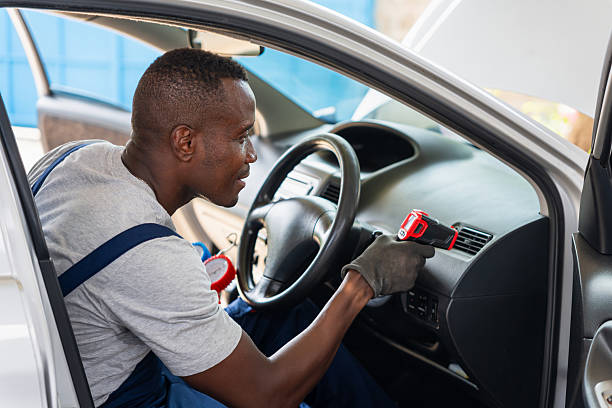
Commercial vehicles keep Nigeria’s logistics, distribution and passenger-transport businesses moving. Trucks, buses, delivery vans and other fleet vehicles can spend long hours on busy roads, making skilled mechanics essential for keeping them safe and operational.
Commercial transport mechanic jobs are suitable for automotive technicians and experienced mechanics who understand the demands of maintaining vehicles used for business operations. The work can involve routine servicing, diesel-engine repairs, diagnostics, preventive maintenance and emergency breakdown support.
What Does a Commercial Transport Mechanic Do?
A commercial transport mechanic is responsible for inspecting, servicing and repairing vehicles used for business purposes.
Typical responsibilities include:
- Servicing commercial vehicles
- Diagnosing mechanical faults
- Repairing diesel and petrol engines
- Inspecting braking systems
- Maintaining suspension and steering
- Repairing transmissions
- Troubleshooting electrical faults
- Performing preventive maintenance
- Carrying out breakdown repairs
- Inspecting vehicles before returning them to service
- Recording completed maintenance work
The exact duties depend on whether the employer operates trucks, buses, vans or a mixed fleet.
Working on Commercial Vehicles Is Different
Commercial vehicles often operate for much longer periods than private cars.
A delivery van might make several stops around Lagos every day, while a truck may travel from Lagos to Abuja, Kano, Port Harcourt or other destinations. This creates different maintenance demands.
Mechanics need to pay close attention to:
- Brake wear
- Tyre condition
- Engine cooling
- Suspension components
- Battery condition
- Fluid levels
- Steering systems
- Transmission performance
A small fault that might be inconvenient for a private vehicle can become a serious operational problem when the vehicle is responsible for deliveries or passenger movement.
Diesel Engine Knowledge Can Be Valuable
Many commercial trucks and buses use diesel engines, making diesel-engine experience useful for mechanics targeting transport companies.
Relevant skills include:
- Diesel engine diagnosis
- Fuel-system troubleshooting
- Turbocharger inspection
- Cooling-system repairs
- Injector diagnosis
- Oil-system maintenance
- Engine servicing
- Exhaust-system troubleshooting
Mechanics who understand both older mechanical diesel systems and newer electronically controlled diesel engines can have a wider range of opportunities.
Vehicle Diagnostics Are Increasingly Important
Commercial vehicles are becoming more electronically controlled, so mechanics need more than traditional mechanical skills.
Useful diagnostic skills include:
- OBD scanning
- Fault-code interpretation
- ECU diagnostics
- Sensor testing
- Multimeter use
- Electrical troubleshooting
- Engine-management systems
- Wiring diagrams
- Battery and charging-system diagnosis
Accurate diagnostics can help prevent unnecessary parts replacement and reduce vehicle downtime.
Preventive Maintenance Keeps Fleets Moving
Transport companies rely heavily on preventive maintenance.
A mechanic may be responsible for scheduled checks involving:
- Engine oil and filters.
- Brake systems.
- Tyres and wheel components.
- Suspension.
- Cooling systems.
- Batteries.
- Belts and hoses.
- Transmission fluids.
- Steering components.
- Electrical systems.
The maintenance schedule should take into account mileage, vehicle age, operating conditions and manufacturer recommendations.
Breakdown Response Is Part of Transport Maintenance
Commercial vehicles can develop faults while operating away from the main workshop.
A transport mechanic may therefore be involved in roadside or field repairs.
This could involve:
- Diagnosing the fault at the breakdown location
- Carrying essential tools
- Making temporary repairs where safe
- Arranging vehicle recovery
- Returning the vehicle to the workshop
- Completing the full repair
- Documenting the incident
For a logistics company, getting a vehicle safely back into operation can be important, but safety should always come before rushing a vehicle back onto the road.
What Qualifications Do Commercial Vehicle Mechanics Need?
Requirements vary between employers.
Common qualifications include:
- Automotive Technology
- Mechanical Engineering
- OND Mechanical Engineering
- HND Mechanical Engineering
- Technical college training
- Trade Test certification
- Automotive vocational training
- Manufacturer-specific training
Practical experience with trucks, buses, vans or other commercial vehicles can be particularly valuable.
What Should You Put on Your CV?
A commercial transport mechanic CV should focus on practical experience.
Include:
- Years of experience
- Types of commercial vehicles worked on
- Engine types
- Diesel experience
- Diagnostic tools used
- Preventive maintenance experience
- Breakdown-response experience
- Transmission repairs
- Brake and suspension work
- Electrical troubleshooting
- Technical qualifications
- Relevant certifications
For example:
“Seven years’ experience maintaining commercial trucks and delivery vans, including diesel-engine diagnostics, preventive maintenance, brake repairs and roadside breakdown response.”
This is much stronger than simply writing “Experienced mechanic.”
Related Job Titles to Search
Don’t search only for “commercial transport mechanic.”
Also consider:
- Commercial Vehicle Mechanic
- Fleet Mechanic
- Fleet Technician
- Truck Mechanic
- Diesel Mechanic
- Heavy-Duty Mechanic
- Transport Maintenance Technician
- Automotive Technician
- Vehicle Maintenance Technician
- Senior Mechanic
- Workshop Technician
- Fleet Maintenance Technician
Different transport companies may use different job titles for similar positions.
Applications and CV Submission
Candidates interested in commercial transport mechanic opportunities and related technical positions should prepare an updated CV showing their experience with commercial vehicles, mechanical repairs, diagnostics and preventive maintenance.
Applications and CVs should be sent to jobs@wigmoretrading.com.
Use Commercial Transport Mechanic Application as the email subject and include your phone number, years of experience, qualifications and the types of commercial vehicles you have maintained.
How to Stand Out
Transport companies want mechanics who understand the cost of vehicle downtime.
Highlight your ability to:
- Diagnose faults quickly and accurately
- Maintain commercial vehicles
- Reduce repeat breakdowns
- Perform preventive maintenance
- Handle urgent repairs
- Work with diesel engines
- Use diagnostic equipment
- Inspect vehicles before service
- Maintain repair records
- Work safely under pressure
If you have helped keep a fleet operational during a busy period, mention that experience.
Workshop Organisation Matters
A commercial fleet workshop can become busy quickly, especially when several vehicles require servicing at the same time.
Good mechanics should be comfortable working with maintenance schedules, job cards, parts requests and repair priorities.
Accurate records can help identify vehicles with recurring faults and prevent the same problems from being overlooked.
Preparing for the Interview
Expect practical questions about commercial vehicles.
You may be asked:
- How would you diagnose a truck that suddenly loses power?
- What can cause a diesel engine to overheat?
- How would you diagnose repeated injector problems?
- What checks should be completed before a commercial vehicle returns to service?
- How do you prioritise several vehicles needing repairs?
- What would you do if a fleet vehicle breaks down on an interstate route?
- How do you reduce repeat mechanical failures?
- Which diagnostic tools have you used?
Give examples based on your actual experience whenever possible.
Where Can Commercial Transport Mechanics Work?
Potential employers include:
- Logistics companies
- Haulage companies
- Transport companies
- Distribution businesses
- Courier companies
- Bus operators
- Construction companies
- Manufacturing businesses
- Agricultural companies
- Fleet operators
- Oil and gas service companies
Mechanics with heavy-duty diesel experience can also explore opportunities involving trucks, trailers and specialised equipment.
Career Progression
A commercial transport mechanic can progress into:
Mechanic → Senior Mechanic → Lead Mechanic → Workshop Supervisor → Fleet Maintenance Supervisor → Fleet Maintenance Manager
Additional training in diesel technology, diagnostics, auto electrical systems, hydraulics, fleet maintenance and newer vehicle technologies can help expand career opportunities.
For mechanics planning a long-term career, learning about hybrid and electric commercial vehicles can also be valuable as transport technology continues to develop.
A strong commercial transport mechanic is ultimately someone who can keep business vehicles safe, diagnose faults accurately, prevent unnecessary breakdowns and help transport operations continue with minimal downtime.
.**
