


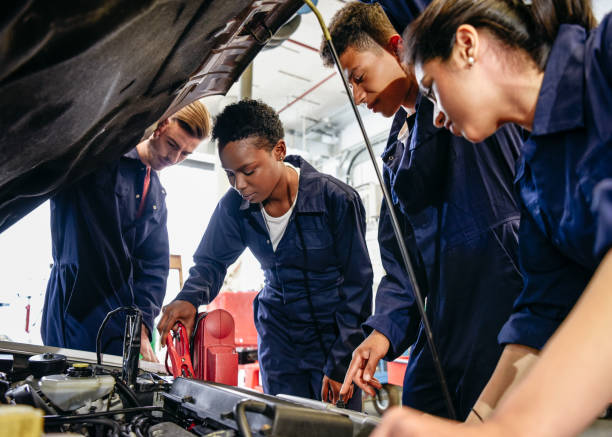
Car servicing is a regular part of vehicle ownership. It helps you identify worn components, maintain important fluids and deal with developing problems before they become bigger and more expensive repairs.
For Nigerian drivers, regular servicing is especially useful when a vehicle spends long hours in traffic, travels long distances or operates on rough roads.
What Is Included in Car Servicing?
The exact work depends on the vehicle and its service schedule, but a routine service may include checks or replacements such as:
- Engine oil
- Oil filter
- Air filter
- Brake condition
- Tyre condition and pressure
- Battery and charging system
- Coolant level
- Brake fluid
- Steering and suspension
- Lights
- Windscreen wipers
- Belts and hoses
- Fluid leaks
Not every component needs replacing at every service. The vehicle manufacturer’s service schedule should determine what needs to be inspected or replaced.
How Often Should You Service Your Car?
There is no single service interval that applies to every vehicle.
Your recommended schedule can depend on:
- Vehicle make and model
- Engine type
- Model year
- Mileage
- Time since the last service
- Driving conditions
- Manufacturer requirements
A car that spends many hours in stop-and-go traffic may experience different operating conditions from one that mainly travels on open highways.
Keep a record of the last service date and mileage so you know when the next scheduled maintenance is approaching.
What Happens During an Oil Service?
Engine oil is one of the most common items checked during routine servicing.
A mechanic may:
- Check the existing oil level and condition.
- Drain the old engine oil where required.
- Replace the oil filter.
- Add the correct oil specification and quantity.
- Check the final oil level.
- Inspect for oil leaks.
Do not choose engine oil simply because it is a popular brand. The oil viscosity and specification should match the vehicle manufacturer’s requirements.
Check the Brakes
Brake inspection is an important part of routine car servicing.
A mechanic may check:
- Brake pads
- Brake discs or drums
- Brake fluid
- Brake lines
- Brake performance
If you notice squealing, grinding, vibration when braking or a change in pedal feel, tell the mechanic instead of waiting for the next routine service.
Check Your Tyres
Tyres should be inspected for:
- Correct pressure
- Uneven wear
- Cuts
- Cracks
- Bulges
- Tread condition
- Foreign objects
If one tyre repeatedly loses air, find the cause rather than simply inflating it every few days.
Wheel alignment and balancing may also need attention if the car pulls to one side, the steering wheel is not centred or the tyres are wearing unevenly.
Battery and Electrical Checks
A weak battery can leave you stranded even when the rest of the vehicle is running properly.
During servicing, check the battery condition, terminals and charging system.
If the car has been starting slowly, requiring jump-starts or experiencing unusual electrical problems, tell the mechanic so the battery and charging system can be tested.
Check Fluids and Cooling System
Your mechanic should also check relevant fluid levels and look for leaks.
Depending on the vehicle, this can include:
- Coolant
- Brake fluid
- Transmission fluid
- Power steering fluid
- Windscreen washer fluid
The cooling system deserves particular attention because overheating can cause serious engine problems.
If your temperature gauge regularly rises above its normal position or the coolant level keeps dropping, investigate the cause rather than continually topping up the reservoir.
Car Servicing in Nigeria
Driving conditions in Nigeria can put different demands on a vehicle.
Lagos traffic can mean extended periods of idling and slow movement, while intercity trips can involve long periods of highway driving. Potholes, dust, heavy loads and rough roads can also affect tyres, suspension and other components.
Tell your mechanic how you normally use the vehicle. Someone who drives mainly around the city may need different maintenance attention from someone who regularly travels long distances.
How Much Does Car Servicing Cost?
There is no single price for car servicing because the total depends on the vehicle and the work required.
The cost can include:
- Engine oil
- Oil filter
- Air filter
- Labour
- Brake components
- Fluids
- Spark plugs
- Diagnostic scanning
- Additional repairs
Before work begins, ask the mechanic for a breakdown of the expected cost. If additional repairs are discovered during the inspection, ask for the price before approving them.
Full Service vs Basic Service
A basic service may focus on routine items such as engine oil, oil filter and essential vehicle checks.
A more comprehensive service can involve additional inspections and replacement of components according to the manufacturer’s maintenance schedule.
Do not assume that paying for a “full service” means every component on the car will automatically be replaced. Ask exactly what the package includes.
Car Servicing for Business and Delivery Vehicles
Businesses that depend on cars, vans and other vehicles should treat servicing as part of their operating schedule.
A vehicle that breaks down during a delivery or customer trip can cause delays and additional costs.
Fleet operators should keep records of:
- Vehicle registration
- Current mileage
- Service date
- Oil specification
- Filters replaced
- Repairs carried out
- Tyre condition
- Next service due
- Recurring faults
This makes it easier to plan maintenance before a vehicle becomes unavailable.
Tribal and Cultural Considerations When Choosing a Mechanic
Nigeria has many communities and different approaches to vehicle maintenance, but the quality of a service should be based on the mechanic’s work, diagnosis and use of appropriate parts rather than assumptions about tribe or background.
Before servicing a family or business vehicle, clearly agree on the work to be done and the approved budget. Ask the mechanic to explain any additional repairs before carrying them out.
How Travo.ng Can Help With Vehicle Logistics
A car being serviced can affect a delivery, airport transfer, relocation or planned journey.
Travo.ng supports relevant mobility and logistics needs including transport coordination, vehicle hire, airport pickups, relocation and delivery logistics.
If a vehicle needs to remain at a workshop, alternative transportation can help keep important travel or business activities moving.
Car Servicing Checklist
Before leaving the workshop, confirm:
- Engine oil was checked or replaced
- Oil filter was replaced when due
- Tyres were inspected
- Brakes were checked
- Battery condition was checked
- Important fluid levels were checked
- Leaks were inspected
- Warning lights were investigated
- Additional repairs were explained
- Service mileage and date were recorded
- Next service interval was noted
Regular car servicing is not just about changing engine oil. It is an opportunity to check the vehicle as a whole and identify problems before they interfere with your daily driving, business or travel plans.
