


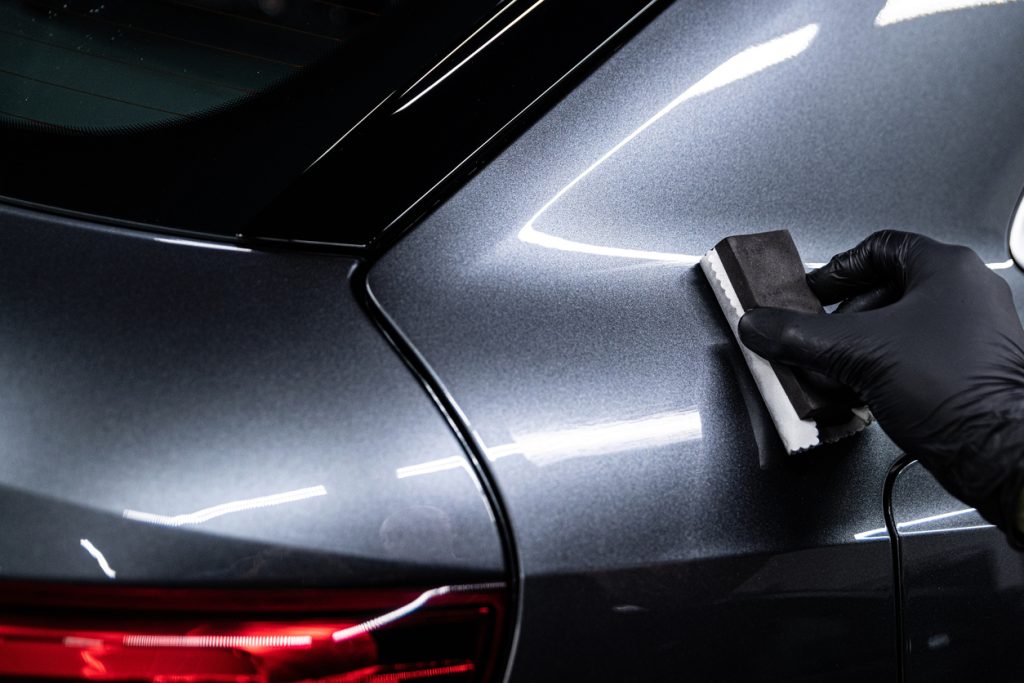
A car pressure washer can make vehicle cleaning much faster than using a normal hose. It helps remove loose dirt, mud, road grime and soap from areas that are difficult to clean by hand.
However, choosing a pressure washer for a car is different from buying one for concrete, driveways or heavy industrial cleaning. Too much pressure or the wrong nozzle can damage paint, trim, badges and rubber seals.
What Is a Car Pressure Washer?
A car pressure washer is a machine that uses a pump to increase water pressure and produce a controlled spray for cleaning.
For vehicle washing, the goal is not simply to get the highest possible pressure. A useful setup should provide enough pressure to loosen dirt while giving you good control over the spray and enough water flow to rinse the vehicle properly.
What PSI Is Suitable for Washing a Car?
PSI measures the pressure produced by the machine. For normal car washing, a moderate-pressure machine is generally more appropriate than a heavy-duty pressure washer designed for concrete or industrial surfaces.
Many automotive cleaning guides put ordinary car washing roughly in the 1,300 to 2,000 PSI range, but the actual pressure reaching the vehicle depends on the nozzle, distance and machine setup.
The important point is to avoid choosing a machine simply because it has the biggest PSI number.
Why GPM Also Matters
GPM means gallons per minute and measures water flow.
A pressure washer with good water flow can rinse dirt and soap away more efficiently. This is particularly useful when using a foam cannon or washing a larger SUV.
When comparing machines, look at both PSI and GPM rather than relying on PSI alone.
Electric or Petrol Pressure Washer?
Electric pressure washer
An electric model is often convenient for home car washing. It is usually easier to start, quieter and simpler to maintain than a petrol-powered machine.
You will need a suitable electrical supply and enough cable length to work around the vehicle safely.
Petrol pressure washer
Petrol models can provide more power and greater mobility, making them useful for heavier cleaning jobs or commercial operations.
For ordinary car washing, however, extreme power is not necessarily an advantage. A machine should be matched to the job rather than chosen solely for its maximum output.
Look for a Wide Spray Nozzle
The nozzle determines how the water leaves the pressure washer.
For car washing, a wider spray pattern generally gives you more control than concentrating the water into a very narrow stream.
Avoid holding a concentrated high-pressure stream close to paint, badges, lights, rubber seals or damaged bodywork.
Do You Need a Foam Cannon?
A foam cannon is not essential, but it can make the pre-wash stage easier.
It applies a layer of cleaning solution across the vehicle, allowing the product to loosen dirt before you perform the contact wash.
If you are buying a pressure washer for detailing, check that the machine and its fittings are compatible with the foam cannon you intend to use.
How to Pressure Wash a Car Safely
Start by parking the car in a suitable area away from heavy traffic and direct conditions that could make the wash difficult.
A practical process is:
- Rinse loose dirt from the vehicle.
- Start with a suitable spray pattern and reasonable distance.
- Work from the upper sections towards the lower areas.
- Use appropriate car shampoo or pre-wash product.
- Avoid spraying directly into sensitive electrical areas.
- Rinse thoroughly.
- Wash with a clean mitt if a contact wash is required.
- Rinse again.
- Dry the vehicle with suitable microfiber towels.
Do not use the pressure washer as an excuse to spray every part of the vehicle from extremely close range.
Areas That Need Extra Care
Be particularly careful around:
- Door and window seals
- Badges and emblems
- Loose trim
- Damaged paint
- Vinyl or decals
- Sensors and cameras
- Soft convertible roofs
- Older or deteriorated bodywork
If something is already loose or damaged, high-pressure water can make the problem worse.
Car Pressure Washer for a Car Wash Business
If you are buying a pressure washer for a commercial car wash, your requirements will be different from those of someone washing one vehicle at home.
Consider:
- Number of cars washed daily
- Available water supply
- Electricity or fuel availability
- Hose length
- Pump durability
- Replacement parts
- Nozzle options
- Foam cannon compatibility
- Ease of maintenance
- Continuous operating time
A business should also consider how quickly the machine can rinse vehicles without placing unnecessary strain on the equipment.
Using a Pressure Washer in Nigeria
Dust, mud, roadside grime and rainy-season dirt can build up quickly on Nigerian roads. A pressure washer can be especially useful if you regularly drive through busy urban areas or unpaved roads.
If you are using one at home, make sure you have a reliable water source and a safe electrical setup. Keep electrical connections away from standing water and use the machine according to its operating instructions.
Common Mistakes to Avoid
One of the biggest mistakes is buying the most powerful machine available without considering how it will be used.
Other mistakes include:
- Using the wrong nozzle
- Holding the spray too close to paint
- Using unsuitable household chemicals
- Ignoring damaged trim
- Forgetting to rinse loose dirt before contact washing
- Buying a machine with poor water flow
- Using an unsuitable electrical connection
- Failing to maintain hoses and fittings
Is a Pressure Washer Worth Buying for Your Car?
If you wash your vehicle regularly, a pressure washer can save time and make the cleaning process easier. It becomes even more useful if you maintain multiple vehicles or run a detailing or car wash operation.
For occasional washing, however, you may not need an expensive professional machine. A compact, controllable unit with suitable pressure, water flow and accessories can be enough for normal vehicle cleaning.
Get Your Car Ready for the Road with Travo.ng
After washing and maintaining your vehicle, Travo.ng can help with relevant travel and transport arrangements, including vehicle hire, airport pickups and logistics coordination.
Whether you are preparing for a daily commute, an interstate journey or business movement, proper vehicle preparation can make the trip easier and more organised.
