


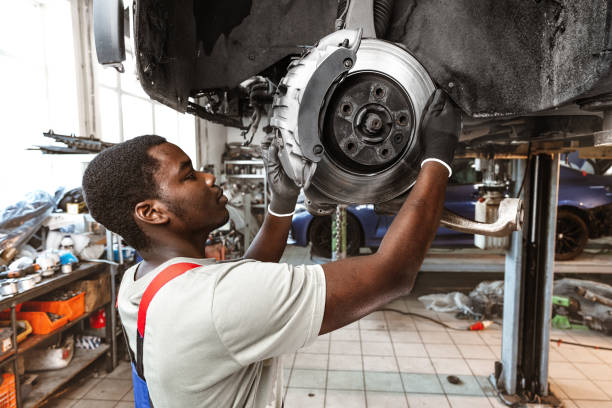
A brake bleeding kit is a tool used to remove trapped air and old brake fluid from a vehicle’s braking system. It is commonly used during brake servicing, especially when air has entered the hydraulic brake lines or the brake fluid needs to be replaced.
Brake bleeding is important because the braking system relies on hydraulic pressure. If air gets into the system, the brake pedal can feel soft or spongy and braking performance may be affected.
What is a brake bleeding kit?
A brake bleeding kit usually contains equipment that makes it easier to remove air and fluid from the brake system.
Depending on the type of kit, it may include:
- A collection bottle
- Clear bleeding hose
- Hose connectors
- One-way valve
- Brake bleeder wrench
- Vacuum pump
- Pressure bleeding equipment
Basic kits can be relatively simple, while professional kits may include more specialised equipment.
Why do brakes need bleeding?
Your car’s braking system uses brake fluid to transfer pressure from the brake pedal to the components that apply the brakes.
If air enters the hydraulic system, air can compress when you press the brake pedal. Brake fluid does not compress in the same way, so the presence of air can make the pedal feel soft or spongy.
Brake bleeding removes the unwanted air from the system.
When might you need to bleed your brakes?
Brake bleeding may be required after certain brake repairs or when there is evidence of air or contaminated fluid in the system.
Common situations include:
- Replacing a brake caliper
- Opening a brake line
- Replacing certain hydraulic components
- Changing brake fluid
- Finding a spongy brake pedal
- Discovering air in the braking system
- Carrying out major brake-system repairs
The exact procedure depends on the vehicle.
What does a brake bleeding kit do?
The kit provides a controlled way to move brake fluid and air out of the system.
With a basic setup, a clear hose is connected to the brake bleeder valve and the other end is placed into a suitable container. The system is then operated according to the vehicle’s recommended bleeding procedure.
The clear hose allows the technician to see the fluid leaving the brake system and identify air bubbles.
More advanced vacuum or pressure bleeding kits can make the process easier and reduce the amount of manual pumping required.
Does every brake problem require bleeding?
No.
A soft brake pedal does not automatically mean that the brakes simply need bleeding. It could also be caused by a brake fluid leak, worn components, a faulty master cylinder or another problem.
If the brake fluid level is repeatedly dropping, for example, the cause needs to be investigated rather than simply bleeding the system and continuing to drive.
Can you bleed brakes yourself?
Some experienced vehicle owners can carry out basic brake bleeding, but the braking system is safety-critical.
If you are unfamiliar with the process, it is safer to have the work carried out by a qualified technician. Using the wrong procedure or allowing the master cylinder reservoir to run dry can introduce more air into the system.
The correct brake fluid specification should also be used for the vehicle.
Signs that your brakes may need attention
Apart from a spongy pedal, pay attention to other warning signs such as:
- The brake pedal feels unusually soft
- The pedal travels further than normal
- Braking performance feels weaker
- Brake fluid is leaking
- The brake warning light comes on
- The vehicle pulls to one side while braking
- Unusual noises occur during braking
These symptoms can have different causes, so a proper inspection is important.
Choosing a brake bleeding kit
If you are purchasing a kit, consider the type of brake system and the type of work you intend to perform.
A basic manual kit may be sufficient for occasional maintenance, while a vacuum or pressure bleeder can be more convenient for frequent servicing.
Check that the kit has suitable connectors and equipment for your vehicle rather than buying based only on price.
Don’t treat brake bleeding as a quick fix
Bleeding the brakes can solve a problem caused by trapped air, but it cannot repair a damaged brake line, worn brake pads, leaking caliper or faulty master cylinder.
If the brake pedal remains soft after bleeding, the braking system should be inspected again to find the underlying cause.
For Nigerian drivers, dealing with brake problems before a long interstate trip is particularly important. If your vehicle is not braking normally, avoid taking unnecessary risks on the road.
Travo.ng can also help with relevant travel and transport arrangements when a vehicle problem affects your plans.
A brake bleeding kit can be a useful maintenance tool, but the most important part of brake servicing is making sure the entire braking system is working correctly before the vehicle returns to the road.
