


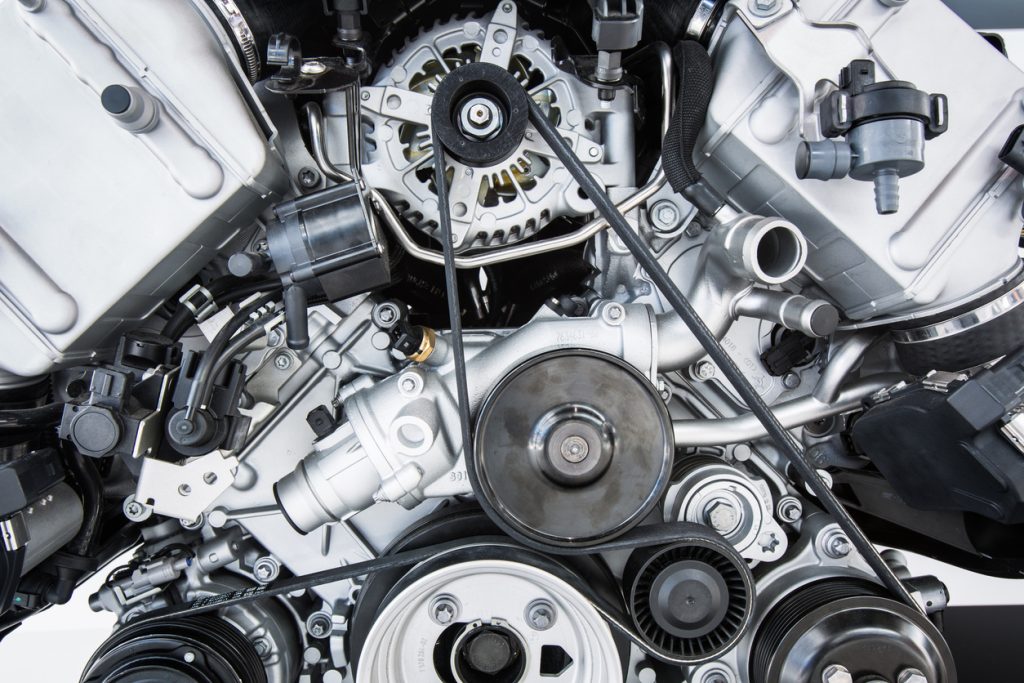
Knowing the blown head gasket symptoms can help you identify an engine problem before it causes more expensive damage. A failed head gasket can allow coolant, engine oil and combustion gases to mix or enter areas where they should not.
If you notice several warning signs together, avoid continuing to drive the vehicle until it has been properly inspected.
Common Blown Head Gasket Symptoms
Some of the most noticeable signs include:
- White smoke coming from the exhaust
- Engine overheating repeatedly
- Loss of engine coolant without an obvious external leak
- Milky or creamy-looking engine oil
- Bubbles in the coolant reservoir
- Rough running or misfiring
- Loss of engine power
- Unexplained pressure in the cooling system
- Sweet-smelling exhaust fumes
- Repeatedly low coolant levels
One symptom alone does not always mean the head gasket has failed. Several of these signs appearing together are more concerning.
White Smoke From the Exhaust
Persistent thick white smoke, particularly after the engine has warmed up, can indicate that coolant is entering the combustion chamber.
However, light white vapour during a cold start can simply be condensation, especially when the weather is cool. The duration and amount of smoke matter.
Engine Overheating
Repeated overheating is one of the major warning signs to take seriously.
A blown head gasket can disrupt the cooling system and allow combustion gases into the coolant. At the same time, overheating itself can damage a head gasket, creating a cycle of worsening engine problems.
If the temperature gauge enters the danger zone, stop somewhere safe and switch off the engine.
Milky Engine Oil
Check the oil on the dipstick and, where appropriate, under the oil filler cap.
If the oil has an unusual creamy or mayonnaise-like appearance, coolant may have mixed with the engine oil. Condensation can sometimes create similar deposits, so proper diagnosis is necessary.
Coolant Keeps Disappearing
If you’re regularly adding coolant but cannot find an obvious external leak, an internal coolant leak is possible.
A mechanic can perform cooling-system pressure tests and other checks to determine where the coolant is going.
Rough Idling and Loss of Power
A damaged head gasket can allow compression to escape between cylinders or allow coolant into a cylinder.
This can result in:
- Rough idling
- Engine misfires
- Difficult starting
- Poor acceleration
- Reduced engine performance
Modern vehicles may also trigger the check-engine light when a misfire is detected.
How Is a Blown Head Gasket Confirmed?
A mechanic may use several tests rather than relying on symptoms alone.
These can include a compression test, leak-down test, cooling-system pressure test or a test for combustion gases in the coolant.
The cylinder head and gasket may also need to be inspected if the engine is dismantled.
Can You Drive With a Blown Head Gasket?
It is generally not advisable to continue driving a vehicle suspected of having a seriously damaged head gasket.
Continuing to drive while the engine is overheating or losing coolant can turn a relatively contained repair into major engine damage.
If the temperature rises excessively, stop driving and arrange recovery or professional assistance.
Why Choose Travo.ng?
If your vehicle breaks down because of overheating or a suspected head gasket problem, Travo.ng can help arrange transportation while your car is being inspected or repaired.
Whether you need an airport pickup, business trip, family journey or interstate transport, Travo.ng provides practical vehicle hire and transport coordination when your own car is unavailable.
Don’t Ignore the Warning Signs
A blown head gasket can become an expensive engine repair if the problem is ignored. Persistent overheating, white exhaust smoke, disappearing coolant, contaminated oil and engine misfires should all be investigated.
Getting the vehicle properly diagnosed early can help prevent further damage and give you a clearer idea of the repair required.
