


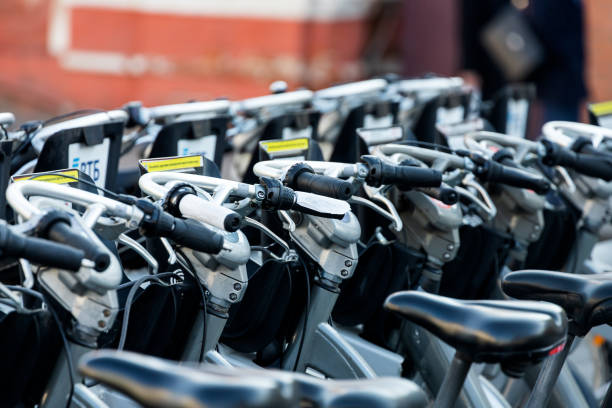
Bike fleet management services refer to the professional coordination and optimization of motorcycle fleets used for courier, delivery, and last-mile logistics operations. These services focus on ensuring fast delivery times, low operational costs, high fleet utilization, and reliable service performance in dense urban and suburban environments.
Bike fleets are widely used in e-commerce, food delivery, courier services, pharmacy logistics, and intra-city transport due to their speed and flexibility.
What bike fleet management services mean
Bike fleet management involves overseeing all operational, financial, and technical aspects of motorcycle-based delivery fleets.
A typical service provider manages:
- Dispatch and order assignment
- Route planning and optimization
- Rider recruitment and supervision
- Real-time GPS tracking
- Fuel and cost control
- Maintenance and bike servicing
- Delivery performance monitoring
- Proof of delivery (POD) systems
- Financial reporting and ROI tracking
In simple terms, it ensures motorcycles are always active, efficient, and profitable.
Why bike fleet management is important
Motorcycles are highly efficient for short-distance logistics but require structured management to remain profitable.
Without proper systems, operators may face:
- High fuel consumption and inefficiency
- Frequent breakdowns and repairs
- Poor delivery coordination
- Low rider productivity
- Delivery delays and missed orders
- Weak profitability
Fleet management solves these issues through structure, technology, and optimization.
Core components of bike fleet management services
1. Dispatch and order allocation
Efficient assignment improves speed and productivity.
This includes:
- Matching orders to nearest available riders
- Grouping deliveries by geographic zones
- Prioritizing urgent deliveries
- Balancing workload across riders
- Reducing idle time between trips
2. Route optimization and navigation
Efficient routing reduces time and fuel usage.
This includes:
- Planning shortest delivery routes
- Avoiding traffic congestion
- Multi-stop delivery sequencing
- Real-time rerouting based on traffic
- Reducing unnecessary mileage
3. Rider management and workforce control
Riders are central to delivery success.
This includes:
- Recruitment and onboarding
- Training on safety and customer service
- Shift scheduling and supervision
- Performance tracking
- Incentive and accountability systems
4. Real-time tracking and monitoring
Visibility improves coordination and reliability.
This includes:
- GPS tracking of all bikes
- Live delivery status updates
- ETA monitoring
- Geofencing for delivery zones
- Rider behavior tracking
5. Fuel and cost management
Fuel efficiency directly affects profitability.
This includes:
- Monitoring fuel usage per bike
- Detecting inefficiencies or misuse
- Cost-per-delivery tracking
- Driver behavior optimization
- Budget control systems
6. Maintenance and bike servicing
Proper maintenance ensures reliability.
This includes:
- Preventive maintenance scheduling
- Engine and mechanical diagnostics
- Tire, brake, and oil monitoring
- Repair coordination
- Breakdown recovery support
7. Delivery execution and proof of delivery
Ensures accurate and verifiable deliveries.
This includes:
- Digital signatures or OTP confirmation
- Delivery photo evidence
- Customer notifications
- Failed delivery handling
- Rescheduling and redelivery systems
8. Financial reporting and performance analytics
Data improves efficiency and profitability.
This includes:
- Cost per delivery
- Revenue per bike
- Rider performance metrics
- Delivery success rate
- Vehicle utilization rate
- Return on investment (ROI)
Key performance indicators (KPIs)
Bike fleet performance is measured using:
- On-time delivery rate
- Cost per delivery
- Rider productivity rate
- Fuel efficiency
- Delivery success rate
- Average delivery time
- Bike utilization rate
- Return on investment (ROI)
Benefits of bike fleet management services
Faster deliveries
Motorcycles excel in congested urban environments.
Lower operational costs
Bikes consume less fuel than larger vehicles.
High flexibility
Ideal for navigating traffic and tight routes.
Better fleet utilization
Riders can complete multiple trips daily.
Improved customer satisfaction
Faster last-mile delivery enhances service quality.
Challenges in bike fleet operations
Despite benefits, challenges include:
- Traffic congestion in cities
- Rider behavior inconsistencies
- Frequent mechanical wear and tear
- Fuel price fluctuations
- High delivery demand pressure
- Safety risks in urban environments
Risks of unmanaged bike fleets
Without structured management, operators may face:
- Poor delivery performance
- High fuel and maintenance costs
- Low rider accountability
- Frequent delays or missed orders
- Weak profitability
- Customer dissatisfaction
Technology used in bike fleet management
Modern systems rely on:
- GPS tracking and telematics
- Mobile rider applications
- Route optimization tools
- Dispatch management systems
- Fuel monitoring systems
- Proof-of-delivery platforms
- Real-time analytics dashboards
These tools improve speed, transparency, and efficiency.
Where logistics coordination fits into bike fleet management
Bike fleets operate within broader logistics systems such as:
- E-commerce delivery networks
- Courier and express services
- Food and pharmacy delivery systems
- Urban distribution hubs
- Supply chain logistics operations
Efficient coordination ensures faster and more reliable delivery cycles.
How Travo.ng supports logistics coordination
While bike fleet management services focus on optimizing rider performance and last-mile delivery efficiency, logistics coordination ensures smooth movement of goods across transport systems.
Travo.ng supports logistics operations through:
- Cargo consolidation and freight coordination
- Intercity and interstate delivery services
- Port-to-destination logistics support
- Supply chain coordination across Nigeria
- End-to-end logistics execution for cargo movement
This helps improve fleet utilization and overall delivery performance.
Final thoughts
Bike fleet management services are essential for fast, cost-effective, and scalable last-mile logistics operations. By combining rider management, route optimization, tracking systems, and financial oversight, businesses can significantly improve delivery speed and profitability.
In modern urban logistics, success depends not just on having bikes, but on how effectively they are managed and optimized for continuous performance.
