


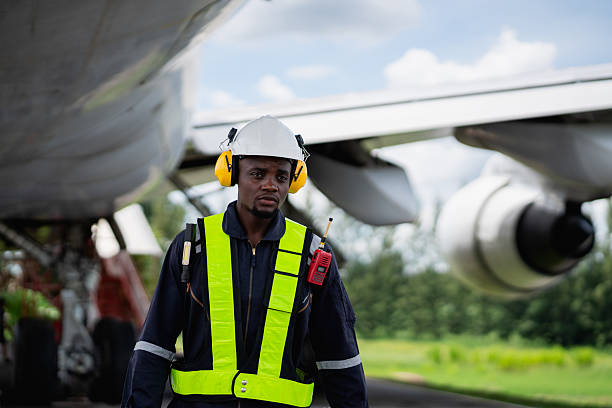
Aviation support equipment is essential to keeping aircraft, passengers and cargo moving efficiently at African airports. The equipment used around an aircraft can determine how quickly it is serviced, loaded, unloaded, moved and prepared for its next flight.
Ground support equipment, commonly called GSE, includes equipment such as baggage tractors, belt loaders, passenger stairs, aircraft tugs, ground power units, cargo loaders and servicing equipment. IATA describes GSE as essential to safe and efficient airport operations and highlights its impact on operational efficiency, safety and working conditions. (IATA)
For African airports and ground handlers, choosing the right equipment also means considering local weather, terrain, airport infrastructure, availability of spare parts and access to maintenance technicians.
Common Aviation Support Equipment in Africa
Different aircraft operations require different types of support equipment.
Common equipment includes:
- Ground power units
- Aircraft pushback tractors
- Tow tractors
- Baggage tractors and carts
- Belt loaders
- Cargo loaders
- Passenger boarding stairs
- Air start units
- Potable water vehicles
- Lavatory service vehicles
- Catering vehicles
- Aircraft maintenance stands
- Aircraft jacks and lifting equipment
The equipment required depends on aircraft types, passenger volumes, cargo activity and the services provided by the airport or ground handler.
Ground Power Units and Air Start Equipment
Ground power equipment allows aircraft to receive the necessary electrical or starting support while they are parked.
Ground power units can reduce the need to operate an aircraft’s auxiliary power system while it is on the ground, depending on the aircraft and operating conditions. Air start units provide compressed air for starting compatible aircraft engines.
These systems are particularly important when an aircraft is undergoing servicing or preparing for departure and needs reliable ground-based support.
Baggage and Cargo Handling Equipment
Baggage and cargo operations depend heavily on specialised equipment.
Belt loaders help move baggage and smaller cargo between the apron and aircraft, while baggage tractors and carts transport loads across the airport. Larger cargo operations may require high loaders and other specialised equipment.
Equipment availability can directly affect aircraft turnaround times. If a belt loader or baggage tractor is unavailable when required, other turnaround activities may have to wait.
Aircraft Tugs and Pushback Equipment
Aircraft tugs and tractors are used to move aircraft around the airport where required.
The right tug depends on factors such as aircraft size, towing requirements, apron layout and the operating procedures of the airport.
For African operators, equipment selection should also consider the availability of local technical support and replacement components. Purchasing sophisticated equipment without a realistic maintenance plan can create expensive downtime later.
Passenger Boarding Equipment
Not every airport stand has access to a passenger boarding bridge.
Mobile passenger stairs therefore remain important, particularly at airports and aircraft stands where passengers board directly from the apron.
The equipment needs to be suitable for the aircraft types being served and positioned safely without creating unnecessary delays during boarding or disembarkation.
Equipment for Aircraft Servicing
Aircraft servicing requires a range of specialised equipment.
This can include potable water trucks, lavatory service units, catering vehicles, maintenance platforms and other support equipment.
The availability and condition of these units can influence how efficiently an aircraft moves through its turnaround process.
A ground handler may have enough personnel but still experience delays if a required service vehicle is unavailable or undergoing maintenance.
Aviation Equipment Procurement in Africa
Buying aviation support equipment requires more than comparing purchase prices.
Airports and ground handlers should consider:
- Aircraft types being supported
- Expected daily aircraft movements
- Equipment utilisation
- Airport layout and operating conditions
- Fuel or electricity availability
- Spare-parts supply
- Local technical support
- Maintenance costs
- Equipment lifespan
- Operator training
African conditions can vary significantly between airports. Equipment operating in a hot, dusty or humid environment may require a different maintenance approach from equipment operating in cooler climates.
Some specialist African suppliers already provide equipment designed, maintained or adapted for local operating environments. For example, Ground Support Management & Consultants says it provides GSE manufacturing, refurbishment, maintenance and fleet advisory services across African markets. (Gsmsa)
Maintaining Aviation Support Equipment
Equipment reliability is just as important as equipment availability.
A ground handler may own enough tractors, loaders and GPUs but still experience operational problems if several units are regularly out of service.
Preventive maintenance can help identify worn components before they cause operational failures. Operators should also maintain appropriate inventories of commonly required spare parts and ensure that technicians have access to the necessary tools and technical information.
This is particularly important for airports that cannot quickly obtain replacement equipment from another location.
Electric Aviation Support Equipment
Electric GSE is becoming increasingly relevant to airport operations.
Electric baggage tractors, belt loaders and other equipment can reduce local emissions and noise compared with conventional equipment. IATA notes that electric GSE can also provide operational benefits such as lower maintenance requirements and improved working conditions, although airports need appropriate charging infrastructure and planning before making the transition. (IATA)
African operators are already adopting electric equipment. In Nigeria, SAHCO has invested in electric tow tractors and electric conveyor belt loaders for its ground handling operations. (SAHCO Plc.)
The transition is likely to be gradual, with many airports operating conventional and electric equipment alongside each other.
GSE Leasing and Equipment Sharing
Buying an entire aviation support fleet can require significant capital.
Leasing can provide another option for ground handlers that are expanding into a new airport, replacing ageing equipment or dealing with temporary increases in demand.
Depending on the provider, leasing arrangements may include maintenance and technical support. This can make it easier for smaller operators to access equipment without making the full capital investment upfront.
The choice between buying, leasing or refurbishing equipment should depend on utilisation, operating period, maintenance costs and long-term requirements.
Digital Equipment Management
Technology can make aviation support equipment easier to manage.
Ground handlers can use digital systems to monitor equipment location, operating hours, maintenance schedules and availability.
This helps managers identify underused equipment and plan maintenance before a unit becomes unavailable during a busy turnaround.
Equipment tracking can also help reduce unnecessary movement around the apron and provide better information when deciding whether additional equipment needs to be purchased or leased.
Training and Equipment Safety
Even reliable equipment can create operational risks when operators are not properly trained.
Ground handling personnel need appropriate training for the equipment they operate, including procedures for manoeuvring around aircraft, parking equipment, connecting service units and responding to equipment faults.
Safety systems, visibility, ergonomics and collision prevention are increasingly important considerations when selecting modern GSE. IATA specifically highlights equipment design and safety features as important factors in protecting ground staff and reducing operational risks. (IATA)
How Travo.ng Can Support Aviation Travel and Logistics
Travo.ng does not function as a specialist GSE manufacturer, aircraft maintenance provider or airport ground handling company. Its role can complement aviation operations by supporting the wider movement of people and relevant logistics around airports.
For example, an aviation company deploying personnel to Lagos, Abuja, Accra or another African airport may need flight bookings, airport transfers, hotel reservations and vehicle hire coordinated around the project schedule.
Where applicable, Travo.ng can also support delivery and transportation logistics for businesses that need to move people or goods between airports, hotels, warehouses and operational locations.
This can help aviation businesses organise their wider travel and transportation requirements while specialist airport teams handle aircraft and ground equipment operations.
Choosing the Right Aviation Support Equipment
The right equipment is not necessarily the newest or most expensive option. It is the equipment that matches the airport’s aircraft mix, workload, infrastructure and operating environment.
African airports and ground handlers should consider the complete equipment lifecycle, including procurement, delivery, commissioning, operator training, maintenance, spare parts and eventual replacement.
As African aviation activity continues to develop, reliable support equipment will remain essential to reducing turnaround delays and maintaining safe, efficient ground operations.
