


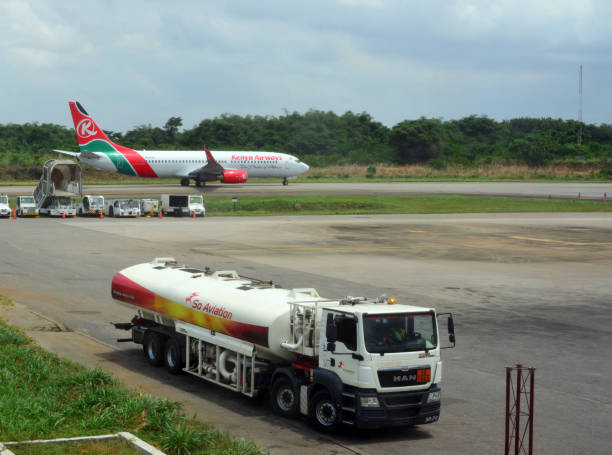
Aviation logistics transformation in Africa is about changing how aircraft, passengers, cargo, equipment, people and information move through the continent’s aviation network. It goes beyond building new airports or adding more flights. The transformation also involves digital technology, modern cargo facilities, stronger maintenance networks, better ground operations and closer integration between air transport and road logistics.
The African Development Bank’s Integrated Aviation Transformation Program is designed to modernise Africa’s aviation ecosystem through policy reforms, financing and investment in areas including airlines, airports, airspace, MRO and aviation infrastructure. (Afraa)
For logistics operators and businesses, the objective is to create an aviation system that can move goods and people more efficiently while reducing unnecessary delays and costs.
Moving From Manual Processes to Digital Logistics
One of the biggest changes taking place in aviation logistics is the shift from paper-based and fragmented processes toward connected digital systems.
Air cargo involves airlines, freight forwarders, customs authorities, warehouses, ground handlers and road transport companies. When each party relies on separate information, delays can occur because one organisation may not know what another has already completed.
IATA describes air cargo digitalisation as a move toward shared and trusted data across the logistics value chain, with potential improvements in efficiency, compliance, safety and shipment processing times. (IATA)
Digital documentation, shipment tracking, electronic customs processes and automated notifications can therefore make the movement of cargo easier to monitor.
Modernising African Airport Logistics Infrastructure
Digitalisation alone cannot transform aviation logistics if physical infrastructure remains inadequate.
Cargo terminals need appropriate storage areas, loading equipment, warehouses, cold-chain facilities and secure access. Airports also need reliable road connections so cargo can move efficiently after leaving the terminal.
The African Development Bank’s aviation transformation programme specifically considers cargo, logistics and trade corridors alongside airport and MRO infrastructure. Its work on Nairobi, for example, identifies infrastructure modernisation, cargo ecosystem development and multimodal connectivity as areas requiring continued attention. (Afraa)
This approach treats the airport as part of a larger logistics network rather than an isolated facility.
Strengthening Air Cargo Supply Chains
Air cargo is an important part of Africa’s logistics transformation because many goods depend on speed.
Pharmaceuticals, fresh produce, electronics, industrial components and urgent commercial shipments can require transportation that is faster than conventional sea or road freight.
However, a faster flight does not automatically mean a faster supply chain.
Cargo may still experience delays during collection, security screening, handling, customs clearance, warehousing or final delivery. Transformation therefore requires better coordination from the shipper to the airport, through the aircraft journey and finally to the recipient.
Building Regional Aviation and MRO Capacity
Aircraft support is another important part of the transformation.
When African airlines depend heavily on overseas facilities for maintenance and components, additional transportation and logistical complexity can arise. Developing stronger regional MRO capabilities can reduce some of that dependence.
AFRAA’s 2026 African MRO Conference highlighted regional supply-chain hubs, improved procurement collaboration and digital tools for inventory and demand forecasting as ways to strengthen supply-chain resilience. (Afraa)
This can create a more connected ecosystem in which aircraft parts, technical expertise and maintenance services are available closer to African operators.
Data Is Becoming an Aviation Logistics Asset
Airlines and logistics companies increasingly need reliable operational data to make decisions.
Fleet data can help with aircraft planning. Maintenance data can help predict component requirements. Cargo data can show shipment volumes and bottlenecks. Airport data can reveal where aircraft turnarounds are losing time.
AFRAA and Cirium held a 2026 workshop specifically examining how fleet analytics, maintenance intelligence, capacity data and other market information can support decision-making by African airlines. (Afraa)
Better data can therefore help logistics managers move from reacting to delays toward identifying potential problems earlier.
Artificial Intelligence and Airport Operations
Artificial intelligence is also entering aviation ground operations.
AI and automation can help process large amounts of operational information, monitor activities and identify patterns that may be difficult to detect manually.
IATA’s 2026 Ground Handling Conference focused specifically on adapting ground operations to an era of AI, with applications covering safety, efficiency, automation, workforce transformation and baggage coordination. (IATA)
For African airports, adoption needs to be practical. Technology must work with existing infrastructure and be supported by trained personnel rather than simply being introduced because it is new.
Improving Regional Connectivity
Aviation logistics transformation also depends on stronger connections between African markets.
Businesses need reliable links between major commercial centres such as Lagos, Nairobi, Addis Ababa, Johannesburg, Accra and Cairo. Better connectivity can make it easier to move people, high-value cargo and time-sensitive goods between markets.
AFRAA and the African Development Bank have identified connectivity and trade-corridor development as important parts of the continent’s aviation transformation agenda. (Afraa)
Improved regional connectivity can also support the wider objectives of the African Continental Free Trade Area by making movement between African markets more practical.
Skills Are Essential to the Transformation
Technology and infrastructure cannot replace skilled aviation personnel.
The transformation requires people who understand aircraft operations, cargo handling, maintenance, logistics planning, data systems and digital tools.
AFRAA’s recent MRO discussions identified human capital as a foundation for a sustainable maintenance ecosystem and emphasised the need for technical skills development alongside digital transformation. (Afraa)
Training therefore needs to develop alongside new equipment and software. Otherwise, airports may have modern systems without enough qualified personnel to use and maintain them effectively.
Connecting Air and Road Logistics
Aviation logistics does not stop when an aircraft lands.
A cargo shipment arriving at Murtala Muhammed International Airport in Lagos, for example, may still need to move by road to a warehouse, factory, office or final customer.
The same applies to aviation personnel. Engineers, contractors, airline staff and business travellers may need transportation between airports, hotels and project locations.
This is why multimodal connectivity is becoming an important part of aviation logistics transformation. The air journey and the ground journey need to work together rather than being treated as completely separate processes.
How Travo.ng Can Support Aviation Logistics Transformation
Travo.ng can support the wider travel and transportation network surrounding Africa’s changing aviation sector.
It is not an aircraft maintenance company, ground handler, airport automation provider or specialist cargo terminal operator. Instead, its role can cover relevant travel bookings, hotel reservations, airport transfers, vehicle hire and transportation coordination.
For example, an aviation company expanding into Lagos, Abuja, Nairobi or another African market may need to move employees and contractors between airports, hotels, offices and operational sites. Travo.ng can help coordinate these travel and ground transportation requirements.
This complements specialist aviation providers that handle aircraft, cargo terminals, ramp operations and other regulated airside activities.
What the Next Phase Could Look Like
Africa’s aviation transformation is increasingly being approached as a connected ecosystem rather than a collection of individual airports and airlines.
The priorities include digital logistics, modern infrastructure, stronger MRO capabilities, better cargo networks, improved regional connectivity, skilled personnel and more effective financing.
IATA’s 2026 Focus Africa programme identified safety, connectivity and operational efficiency as central priorities, while the African Development Bank is working through its Integrated Aviation Transformation Program to address financing and structural development across the sector. (IATA)
For businesses, the practical result of successful transformation would be simpler cargo movement, better operational visibility, stronger regional connections and more reliable aviation services.
The opportunity for Africa is therefore not simply to expand aviation capacity. It is to build a more connected logistics system in which airports, airlines, MRO providers, cargo operators, digital platforms and ground transportation providers work together efficiently.
