


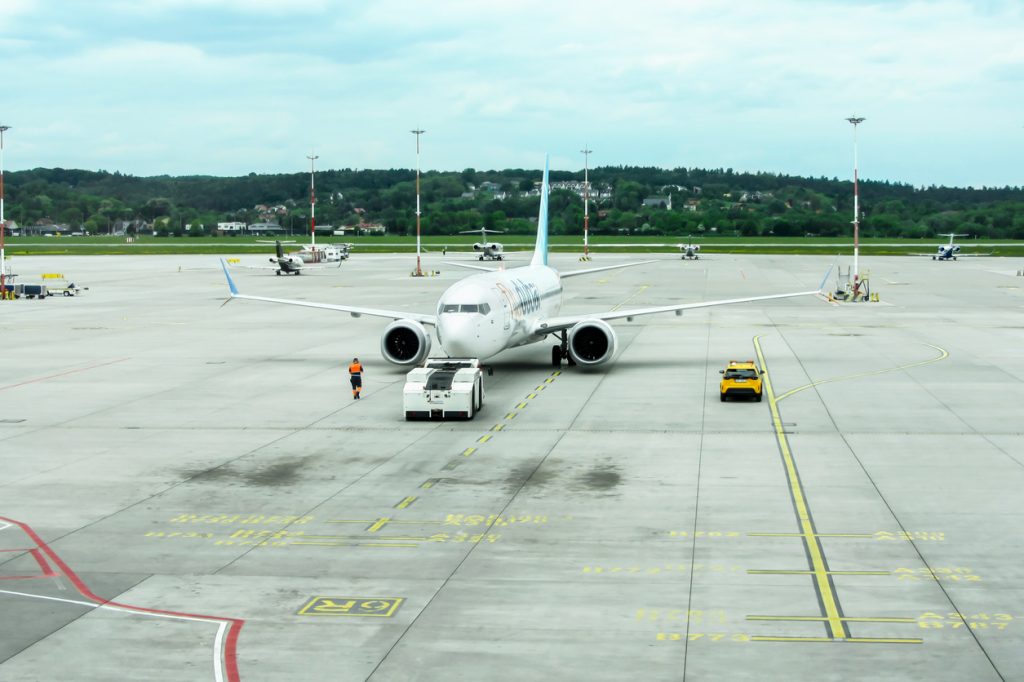
Aviation infrastructure development in Africa involves the construction, expansion, modernisation and maintenance of the facilities and systems needed to support air transport. This includes airports, runways, terminals, taxiways, cargo facilities, air navigation systems, maintenance facilities and ground transport connections.
As passenger and cargo demand grows across the continent, aviation infrastructure has to develop alongside it. Recent industry initiatives are placing greater attention on airport modernisation, connectivity, cargo infrastructure, air navigation and sustainable development. The African Development Bank’s Integrated Aviation Transformation Program, for example, includes infrastructure, connectivity and logistics as one of its main areas of focus. (African Development Bank)
What Aviation Infrastructure Development Covers
Airport development is much broader than constructing a new passenger terminal. A properly planned aviation infrastructure project can involve:
- Runway construction and rehabilitation
- Taxiway and aircraft apron expansion
- Passenger terminal development
- Cargo terminals and warehouses
- Airport roads and access systems
- Aircraft parking facilities
- Air traffic management and navigation systems
- Ground support infrastructure
- Aviation fuel facilities
- Aircraft maintenance facilities
- Airport security and screening systems
- Digital airport systems
- Power, water and other essential utilities
The objective is to create an airport environment capable of handling aircraft, passengers and cargo safely while supporting efficient daily operations.
Expanding Airport Capacity Across Africa
Capacity is a major consideration as African air travel develops. Airports that were designed for smaller passenger volumes can eventually face congestion in terminals, aircraft parking areas, baggage systems and other parts of the airport.
Infrastructure projects therefore increasingly focus on expanding existing airports as well as developing new facilities.
Ethiopia, for example, is developing the Bishoftu International Airport project near Addis Ababa, with the first phase planned for a capacity of 60 million passengers annually and later development potentially reaching 110 million. (African Development Bank)
Elsewhere, the African Development Bank approved €155.99 million in 2026 for the development of Arua Airport in Uganda, including a new runway, taxiways, aprons, passenger terminal and cargo facilities. (African Development Bank)
These projects show how airport infrastructure can be developed not only around major international hubs but also around regional connectivity and economic access.
Runways, Taxiways and Aircraft Aprons
The airside side of an airport requires infrastructure capable of supporting aircraft movements safely and efficiently.
Runways need suitable pavement, drainage, lighting and associated safety systems. Taxiways connect runways with aircraft parking areas, while aprons provide space for aircraft loading, unloading, servicing and passenger operations.
When these areas are insufficient, airport operations can become more difficult during busy periods. Expansion may therefore involve additional aircraft stands, wider taxiway systems, stronger pavement and improved lighting and guidance systems.
Passenger Terminal Development
Passenger terminals are another major part of aviation infrastructure.
Modern terminals need to handle check-in, security screening, immigration, baggage processing, boarding and arrivals without creating unnecessary congestion. The design also has to account for passenger growth, peak travel periods and different types of international and domestic traffic.
Digital systems are increasingly becoming part of terminal development. Self-service check-in, automated processing, digital identity systems and improved baggage tracking can help airports manage passenger flows more efficiently when properly implemented.
Cargo and Aviation Logistics Infrastructure
Air cargo requires infrastructure that is different from passenger terminals. Cargo facilities need appropriate warehouses, loading areas, customs processes, security arrangements and connections to road networks.
Cold-chain infrastructure is particularly important for products such as pharmaceuticals, vaccines, fresh produce and other temperature-sensitive goods.
The African Development Bank’s current aviation transformation programme specifically identifies cargo and cold-chain infrastructure alongside airport and air-navigation modernisation. (African Development Bank)
For countries seeking to expand trade, stronger cargo infrastructure can help airports serve as logistics gateways connecting businesses with domestic, regional and international markets.
Connecting Airports to Ground Transport
An airport cannot operate effectively in isolation from the city or region around it.
Road access, public transportation, taxis, vehicle hire, cargo trucking and airport transfer systems all influence how easily passengers and businesses can use an airport.
This is particularly important in cities such as Lagos, Nairobi, Accra and Johannesburg, where traffic conditions can significantly affect the time required to travel between airports, hotels, business districts and other destinations.
Airport infrastructure planning should therefore consider what happens outside the airport perimeter as well as what happens on the runway and terminal.
Challenges Affecting Aviation Infrastructure Development in Africa
Developing aviation infrastructure requires significant capital and long-term planning. African aviation projects can also face challenges involving financing, construction costs, land requirements, regulatory coordination and access to specialised technical expertise.
Infrastructure development also needs to keep pace with operational requirements. Building additional terminal space without improving supporting systems such as baggage handling, aircraft stands, access roads and ground operations can simply move congestion from one part of the airport to another.
The African Development Bank has identified high capital costs, ageing infrastructure and limited access to long-term financing among the structural challenges affecting African aviation. (African Development Bank)
Making New Aviation Infrastructure More Sustainable
New airport infrastructure increasingly needs to consider environmental performance alongside capacity and operational requirements.
Projects can incorporate energy-efficient buildings, renewable energy, improved water management, lower-emission ground equipment and infrastructure designed to withstand changing weather conditions.
Climate resilience is particularly relevant for airports because flooding, extreme heat and other environmental conditions can affect runways, roads, terminal buildings and airport operations.
Infrastructure planning that considers these risks from the beginning can reduce the need for expensive modifications later.
How Travo.ng Can Support Aviation Travel and Logistics
Travo.ng can support the travel and transportation needs that surround aviation infrastructure projects without acting as an airport construction or engineering company.
For example, a contractor working on an airport expansion in Lagos, Abuja, Accra or another African city may need airport transfers, accommodation, vehicle hire and coordinated movement between project locations. Teams arriving from different countries may also need their flights, hotels and local transportation organised around their work schedules.
Travo.ng can assist with travel bookings, hotel reservations, airport pickups, vehicle hire and relevant delivery or logistics coordination. For companies working on aviation infrastructure projects, this can help simplify the movement of personnel and materials-related logistics around their wider travel arrangements.
Planning the Next Generation of African Airports
Aviation infrastructure development in Africa is increasingly connected to wider economic development, regional trade and passenger mobility. Current initiatives range from major new airports to regional airport upgrades and improvements to cargo, navigation and connectivity infrastructure. (African Development Bank)
For infrastructure projects to deliver lasting value, development needs to consider the entire aviation ecosystem rather than individual facilities. Runways, terminals, cargo systems, roads, technology, safety systems and ground operations all need to work together.
With passenger and cargo demand continuing to create pressure for additional capacity, long-term infrastructure planning will remain an important part of developing a more connected African aviation network.
