


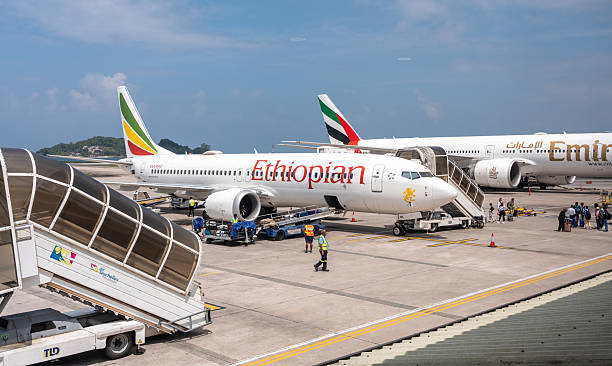
Airport support services in Africa cover the people, equipment and logistics activities that keep airports and airlines operating between aircraft arrival and departure. These services can include passenger handling, baggage and cargo operations, ramp support, ground transportation, security, equipment maintenance and other activities that support daily airport operations.
The exact services available differ between airports and countries. IATA’s ground handling directory, for example, separates services into areas such as passenger services, ramp services, cargo and mail warehouses, load control, security and other support functions. (IATA)
For airlines, airport operators, aviation companies and travellers, reliable support services can make the difference between a well-coordinated airport movement and unnecessary delays.
What Airport Support Services Include
Airport support is a broad category rather than one individual service. Depending on the airport and operator, it may include:
- Passenger check-in and boarding support
- Baggage handling
- Cargo and mail handling
- Ramp and aircraft turnaround services
- Ground transportation
- Aircraft cleaning and servicing
- Ground support equipment
- Load control and flight operations support
- Security services
- GSE maintenance
- Airport lounges and hospitality
- Crew and staff transportation
- Courier and logistics services
These activities have to work together because an airport turnaround involves multiple teams operating within a limited timeframe.
Passenger Handling at African Airports
Passenger support starts before the aircraft leaves the stand.
Check-in, document verification, baggage acceptance, boarding, transfers and passenger assistance all form part of the airport experience. At busy airports, large passenger volumes can place pressure on check-in areas, security checkpoints, gates and baggage systems.
Standardised procedures can help different teams work consistently. IATA’s ground operations standards cover areas including passenger services, baggage operations and aircraft handling. (IATA)
For international passengers, additional requirements such as immigration, customs and travel documentation can also affect processing times.
Ramp and Aircraft Support
Ramp services take place around the aircraft and are central to the turnaround process.
Depending on the airport and service agreement, ramp support can involve aircraft marshalling, baggage loading and unloading, cargo handling, pushback, towing, ground power and other aircraft servicing activities.
The ramp is a highly controlled environment where aircraft, vehicles, equipment and people operate close to each other. IATA identifies safe and on-time ground handling as a priority and highlights labour shortages as one of the challenges facing the sector. (IATA)
Good coordination is therefore important when several activities need to happen at the same time.
Baggage and Cargo Support
Baggage and cargo require different handling processes but both depend on reliable airport infrastructure and coordination.
Baggage has to move between check-in, screening, sorting areas and aircraft, while arriving bags need to reach the correct reclaim area.
Cargo operations can involve acceptance, documentation, security checks, customs, warehousing and delivery to or from the aircraft.
African airports serving major commercial centres may also handle perishables, pharmaceuticals, e-commerce shipments and other time-sensitive goods, making suitable cargo facilities and transportation particularly important.
Ground Support Equipment and Maintenance
Ground support equipment allows airport teams to perform many of the tasks required during aircraft turnaround.
Equipment can include belt loaders, baggage tractors, passenger stairs, pushback tractors and ground power units.
Availability is important, but maintenance is equally important. An aircraft turnaround can be affected when the required equipment is unavailable or develops a fault at the wrong time.
IATA’s enhanced GSE initiatives focus on improving equipment safety and reducing the risk of aircraft ground damage. (IATA)
Airport support providers therefore need suitable equipment, trained operators and maintenance arrangements that keep their fleets operational.
Airport Security and Operational Safety
Security is another important part of airport support.
Depending on the facility and responsibilities of each organisation, security activities can involve passenger screening, access control, baggage security, cargo security and restricted-area procedures.
Safety also extends to the airside environment. Ground teams need to follow established procedures when operating vehicles and equipment around aircraft.
Standardisation can reduce differences between airlines, airports and ground handlers. IATA says its ground operations standards are designed to improve safety, training, operational efficiency and consistency. (IATA)
Ground Transportation Around African Airports
Airport support does not end inside the terminal.
Passengers, airline employees, contractors, cargo teams and other personnel often need transportation between the airport, hotels, offices, warehouses and other destinations.
This is particularly important around major African cities where traffic conditions can affect airport journeys. A vehicle that arrives late for an airport pickup can create problems even when the flight itself is operating normally.
Reliable airport transfers, vehicle scheduling and route coordination can therefore form an important part of the wider airport support network.
Common Airport Support Challenges in Africa
Airport support operations can be affected by different challenges depending on the location.
Common issues include:
- Limited ground support equipment
- Equipment maintenance delays
- Shortages of trained personnel
- Congested terminals and ramps
- Limited cargo warehouse capacity
- Manual or disconnected operational systems
- Road congestion around airports
- Delays in cargo clearance
- Poor coordination between service providers
- Changes to flight schedules
- Limited infrastructure at smaller airports
These challenges are not identical across the continent. Major hubs such as Lagos, Johannesburg, Nairobi, Accra and Addis Ababa have different infrastructure, traffic and operational requirements.
Digital Systems for Better Airport Support
Technology is increasingly being used to coordinate airport support activities.
Airlines and ground handlers can use digital systems to manage passenger information, baggage, aircraft turnaround tasks, equipment and operational communication.
Better data sharing can help different teams prepare before an aircraft arrives instead of waiting until the aircraft is already on the ground.
IATA’s current ground operations work includes digitalisation alongside standardisation, safety and operational efficiency. (IATA)
For airports with multiple airlines and service providers, connected systems can make it easier to coordinate activities around the same aircraft.
How Travo.ng Can Support Airport Travel and Logistics
Travo.ng can support the wider travel and transportation requirements that surround airport operations without positioning itself as a specialist airport ground handler or aviation maintenance company.
For travellers and businesses, Travo.ng can assist with services such as airport transfers, travel bookings, hotel reservations, vehicle hire, delivery and cargo logistics, and transportation coordination where applicable.
For example, an aviation company sending staff to Lagos for an airport project may need flights, airport pickup, hotel accommodation and local transportation. A business receiving personnel in Abuja may require similar arrangements, while equipment or documents may need to be delivered separately.
Travo.ng can coordinate these wider travel and logistics requirements, helping connect airport movements with the road transportation and accommodation services needed before and after the flight.
Choosing Airport Support Services in Africa
Businesses should identify exactly which part of the airport journey requires support before selecting a provider.
A specialist ground handler may be required for aircraft turnaround, ramp operations, baggage handling or cargo handling. A travel and logistics provider may instead be more suitable for airport transfers, accommodation, vehicle hire, passenger movement or deliveries outside the airport.
Important factors to consider include:
- Airport and city coverage
- Relevant service experience
- Equipment and vehicle availability
- Staff training
- Safety procedures
- Response to delays and schedule changes
- Cargo or passenger handling capabilities
- Communication and coordination
- Clear service terms and pricing
Building More Reliable Airport Support Networks
Effective airport support depends on several organisations working together rather than one service operating independently.
Airlines, airports, ground handlers, cargo companies, security providers, transport operators and logistics companies all have different responsibilities. Strong coordination helps prevent delays from one part of the operation spreading into another.
For African airports, improving support services can involve better-trained personnel, modern GSE, stronger safety procedures, improved cargo infrastructure, better digital coordination and reliable transportation outside the airport.
The objective is straightforward: keep aircraft movements, passengers, baggage, cargo and supporting logistics moving safely and efficiently from arrival through departure and onward to the final destination.
