


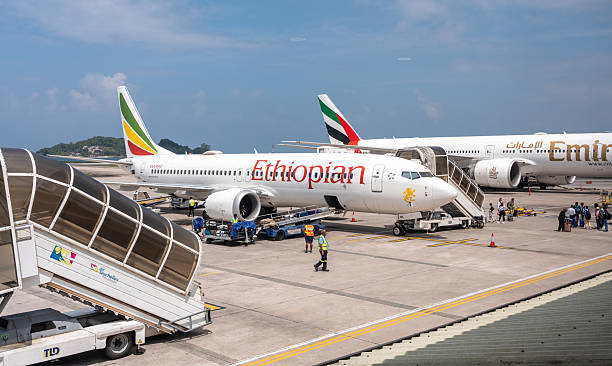
Airport management has become increasingly complex as airports handle more passengers, airlines, cargo movements and operational stakeholders. Managing an airport effectively requires coordination across terminals, aircraft stands, baggage systems, security, ground handling, passenger services, maintenance and commercial activities.
Across Africa, airports also operate with different levels of infrastructure, technology and capacity. IATA identifies operational costs and capacity constraints among the challenges affecting African airports, making efficient use of existing resources particularly important. (IATA)
Airport management solutions can help operators bring these activities together, improve visibility and make better decisions about limited resources.
What Airport Management Solutions Cover
Airport management is much broader than managing passenger terminals.
A modern airport management approach can cover:
- Flight and aircraft stand management
- Gate and terminal resource allocation
- Baggage operations
- Passenger flow management
- Ground handling coordination
- Airport maintenance
- Airside inspections
- Safety management
- Security coordination
- Cargo operations
- Emergency response
- Airport asset management
- Commercial and financial operations
- Staff and equipment scheduling
- Flight information management
The exact combination depends on the size and operational requirements of each airport.
Managing Aircraft Stands and Airport Resources
Aircraft stands, gates, baggage belts and other airport resources are limited. Poor allocation can create congestion even when the airport has enough physical infrastructure.
Airport management systems can help operators see which resources are available and allocate them according to flight schedules and operational requirements.
Real-time airport management platforms can combine flight information with resource planning, allowing airport teams to respond when aircraft schedules change. IATA highlights collaborative decision-making as a way for airport stakeholders to improve predictability, situational awareness and capacity utilisation. (IATA)
For a busy airport, this can make a difference when several aircraft arrive within a short period.
Airport Operations Control
An airport operations control centre needs visibility across the entire airport.
Instead of individual departments working with separate information, airport management solutions can bring operational data into a shared environment.
Managers can monitor:
- Aircraft arrivals and departures
- Stand occupancy
- Gate availability
- Baggage operations
- Passenger congestion
- Ground handling activities
- Equipment availability
- Operational incidents
- Delays and disruptions
This gives airport management teams a clearer picture of what is happening and where intervention may be required.
Improving Passenger Flow
Passenger congestion can develop at check-in, security screening, immigration, boarding gates or baggage reclaim.
Airport management solutions can help operators monitor passenger movement and identify pressure points.
For example, if passenger numbers increase at a particular security checkpoint, airport managers can assess whether additional personnel or resources should be deployed.
Digital airport-management systems increasingly combine operational data, passenger-flow information and resource management to support faster decision-making. (Indra Mobility)
The objective is not simply to move passengers faster. It is to maintain safe, organised movement while making better use of available terminal capacity.
Baggage Management and Coordination
Baggage operations involve several connected processes, from check-in through sorting, loading and reclaim.
A baggage problem can quickly affect passenger satisfaction and aircraft turnaround performance.
Airport management solutions can provide better visibility into baggage operations and connect information with wider flight and resource management systems.
For example, airport managers can monitor baggage belts, flight assignments and operational disruptions instead of relying entirely on separate manual updates.
Digital Airport Management Systems
Digitalisation is becoming an important part of modern airport management.
An Airport Operational Database, commonly known as an AODB, can act as a central source of operational information about flights, aircraft movements and airport resources.
Other systems can support areas such as:
- Flight information displays
- Resource management
- Collaborative decision-making
- Airport operations planning
- Asset management
- Safety reporting
- Maintenance
- Passenger-flow monitoring
IATA’s digital-aircraft initiatives also cover ground operations, maintenance, supply chain and logistics, showing how digitalisation increasingly connects different parts of aviation operations. (IATA)
Airport Collaborative Decision-Making
Airport operations involve multiple organisations. Airlines, airport operators, ground handlers, air navigation providers, security teams and other service providers all influence the movement of aircraft and passengers.
Airport Collaborative Decision-Making, or A-CDM, is designed to improve information sharing and coordination between these stakeholders.
Rather than each organisation making decisions with limited information, A-CDM encourages participants to work from shared operational information and agreed milestones.
IATA describes A-CDM as a way to improve predictability, situational awareness and capacity utilisation while requiring both technological and procedural changes. (IATA)
This approach can be particularly useful when an airport is dealing with congestion or frequent schedule changes.
Safety and Compliance Management
Airport management also involves maintaining safe operating conditions.
Management teams need systems for monitoring inspections, incidents, maintenance tasks, compliance requirements and corrective actions.
Digital platforms can make these processes easier to track by creating records of inspections and outstanding tasks.
For example, SACOS, developed in partnership with ACI Africa, provides airport certification and operations-management functions including compliance tracking, audit workflows and infrastructure data management. (sacos)
The technology does not replace trained airport personnel, but it can provide better visibility and accountability.
Managing Airport Maintenance
Runways, taxiways, terminals, lighting systems, baggage equipment, vehicles and other airport assets require continuous maintenance.
Unplanned equipment failures can disrupt airport operations, while poor maintenance records can make it difficult to identify recurring problems.
Airport management solutions can help track:
- Maintenance requests
- Work orders
- Equipment condition
- Inspection schedules
- Spare parts
- Completed repairs
- Outstanding maintenance tasks
This allows maintenance teams to plan work rather than relying entirely on reactive repairs.
Handling Airport Disruptions
Airports need contingency plans for disruptions such as severe weather, technical failures, security incidents, aircraft diversions, baggage-system problems and unexpected congestion.
A central operational view can help managers understand which parts of the airport are affected and coordinate an appropriate response.
Airport management systems can also support emergency response and crisis communication by ensuring relevant teams receive operational information quickly.
Using Data to Improve Airport Performance
Airport managers need measurable information to determine whether operations are improving.
Useful performance indicators can include:
- Aircraft turnaround time
- Gate utilisation
- Stand utilisation
- Passenger processing times
- Baggage performance
- Flight delays
- Equipment availability
- Maintenance response times
- Passenger complaints
- Resource utilisation
The value of collecting this information comes from using it to identify recurring bottlenecks and improve processes.
Airport Management Challenges in Africa
Technology alone cannot solve every airport-management problem.
African airports may also face challenges involving infrastructure investment, electricity reliability, connectivity, workforce skills, equipment availability, regulatory differences and funding.
The solution therefore needs to match the airport’s actual operating environment.
A large international hub may require sophisticated integrated systems, while a smaller regional airport may benefit more from simpler digital tools for flight management, inspections, maintenance and resource scheduling.
The objective should be practical improvement rather than introducing technology that airport teams cannot effectively operate or maintain.
How Travo.ng Can Support Airport Travel and Logistics
Travo.ng is not an airport operator or airport management software provider. Its role is to support the travel, transportation and logistics activities that surround airport operations.
Airport managers, contractors, consultants, technical teams and business visitors may need flights, airport transfers, hotels and local transportation when working across different cities. Travo.ng can help coordinate relevant travel bookings, airport pickups, hotel reservations and vehicle hire.
For example, an airport project team travelling from Lagos to Abuja for an operational assignment may require transportation from the airport, accommodation and local vehicle arrangements throughout the project. These related travel requirements can be coordinated alongside the team’s wider movement plans.
Where eligible deliveries or logistics requirements are involved, Travo.ng can also support the movement of goods and operational items where its services apply.
Building Better Airport Operations Across Africa
Effective airport management requires more than a modern terminal. Airports need coordinated people, processes, equipment, infrastructure and information.
Digital management systems can improve visibility, but they work best when supported by clear procedures, trained personnel and cooperation between airport stakeholders.
For African airports, practical management solutions should therefore focus on making better use of existing capacity while preparing for future passenger and aircraft growth.
Better resource allocation, real-time information, stronger maintenance, improved passenger-flow management and collaborative decision-making can help airports operate more predictably and respond more effectively when conditions change.
