


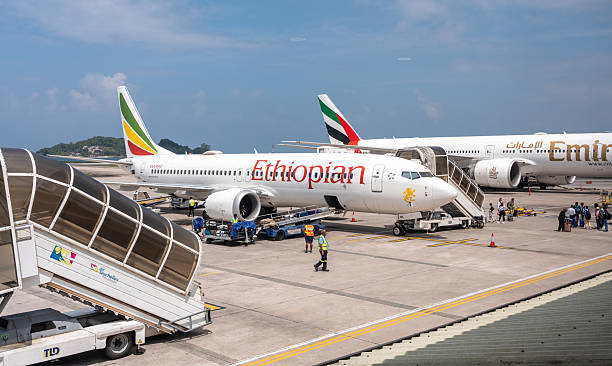
Airport logistics and supply chain operations are central to how passengers, cargo, aircraft equipment and other essential supplies move across Africa. An airport is not simply a place where aircraft land and take off. Behind every flight is a network involving cargo terminals, warehouses, ground handlers, road transporters, airlines, customs authorities, freight forwarders and other service providers.
When these parts work together, cargo can move efficiently from suppliers to airports and onward to its final destination. When one part breaks down, delays can affect airlines, businesses, importers, exporters and passengers.
How Airport Logistics Works Across Africa
Airport logistics covers the movement, storage, handling and coordination of goods and services around airport operations.
For cargo, the process can begin with a supplier or exporter delivering goods to a freight forwarder or cargo facility. The shipment then goes through documentation, security checks, acceptance, storage and preparation before being transferred to the aircraft.
At the destination airport, the process works in reverse. Cargo is unloaded, transferred to the appropriate facility, processed for customs or other regulatory requirements and eventually released to a consignee or another logistics provider.
This makes airport logistics an interconnected chain rather than a single activity.
Where African Airport Supply Chains Face Delays
Airport supply chains can be affected by several operational problems. These include:
- Limited cargo warehouse capacity
- Congestion around airport access roads
- Delays in customs and documentation
- Shortages or poor availability of handling equipment
- Inadequate cold-chain facilities for temperature-sensitive goods
- Poor coordination between airlines, handlers and freight forwarders
- Limited visibility of cargo while it moves between different parties
- Delays in moving goods from airports to their final destinations
These challenges become more noticeable when cargo volumes increase or when airports experience infrastructure and staffing constraints.
IATA identifies cargo operations as a central part of the air cargo supply chain, with processes extending from acceptance and handling through transportation, loading, unloading and final handover. (IATA)
Air Cargo and Road Transport Must Work Together
An airport cargo operation does not end when goods leave the aircraft. Road transportation is often the next major stage.
For example, cargo arriving at Lagos may need to move from the airport to a warehouse, distribution centre, business premises or another Nigerian city. If the road movement is poorly coordinated, efficient air transportation can still result in an overall delivery delay.
This is why airport logistics planning needs to consider the complete journey. Delivery vehicles, pickup schedules, warehouse availability and receiving arrangements should be coordinated before the shipment arrives.
For businesses importing goods into Africa, this can be particularly important for time-sensitive products, spare parts, electronics, pharmaceuticals, perishables and other cargo that cannot remain at an airport indefinitely.
Airport Warehousing and Cargo Handling
Warehousing provides an important link between air transportation and the wider supply chain.
Cargo may need to remain at an airport facility while documentation is completed, customs procedures are handled or onward transportation is arranged. Warehouses therefore need appropriate storage arrangements, security controls and processes for receiving and releasing shipments.
Special cargo can require additional attention. Temperature-sensitive products, dangerous goods, live animals and high-value shipments cannot necessarily be handled in the same way as ordinary freight.
IATA’s current cargo priorities include digitalisation, stronger standards, and safety and security across the supply chain, reflecting the growing need for better coordination and information sharing between stakeholders. (IATA)
Technology and Visibility in African Airport Logistics
Technology can improve airport supply chain coordination by giving different parties access to more accurate information.
Digital systems can help track shipments, manage warehouse activities, exchange cargo documentation and coordinate transportation. Better data visibility can also help businesses identify where a shipment is delayed instead of waiting until the final delivery fails.
This is increasingly important as airport logistics becomes more interconnected. IATA notes that fragmented cargo systems can create duplication, delays and compliance risks, while greater use of shared digital data can improve end-to-end visibility. (IATA)
Ground Handling and Airport Supply Chain Coordination
Ground handling connects many airport activities. Aircraft need to be serviced, baggage and cargo need to be moved, equipment needs to be positioned and different teams need to work within limited turnaround periods.
Ground operations also depend heavily on equipment, trained personnel and communication. IATA identifies safety, on-time performance and labour shortages among the current challenges facing ground operations. (IATA)
For African airports, improving coordination between airlines, ground handlers, cargo operators, road transport providers and other stakeholders can help reduce unnecessary delays.
How Travo.ng Can Support Airport Logistics and Supply Chains
Travo.ng can support the travel and transportation side of airport logistics by helping coordinate services that happen before or after a flight.
For example, a company bringing staff or business visitors into Nigeria may need airport pickup, hotel accommodation and vehicle hire after their arrival. A traveller moving between cities may also need transport arranged from the airport to another location.
For cargo-related movements, businesses may also require transportation coordination for goods after they leave an airport facility. The exact logistics arrangement depends on the shipment, destination and applicable handling requirements.
Travo.ng is not a specialist airport ground handler or aircraft logistics operator. Its role is to support the wider travel and mobility chain through services such as airport transfers, travel bookings, hotel reservations, vehicle hire and relevant transportation coordination.
Building a More Connected Airport Supply Chain
Improving airport logistics in Africa requires more than expanding airport terminals. The surrounding supply chain also needs reliable transport, warehouses, cargo handling systems, trained personnel, documentation processes and communication between stakeholders.
Airlines, airports, freight forwarders, cargo handlers, customs authorities and road transport providers all have different responsibilities, but their activities are connected.
For businesses, the practical goal is to plan the entire movement of people or goods rather than treating the airport as an isolated point in the journey. Better coordination before cargo or passengers arrive can reduce avoidable delays and make the overall supply chain more predictable.
