


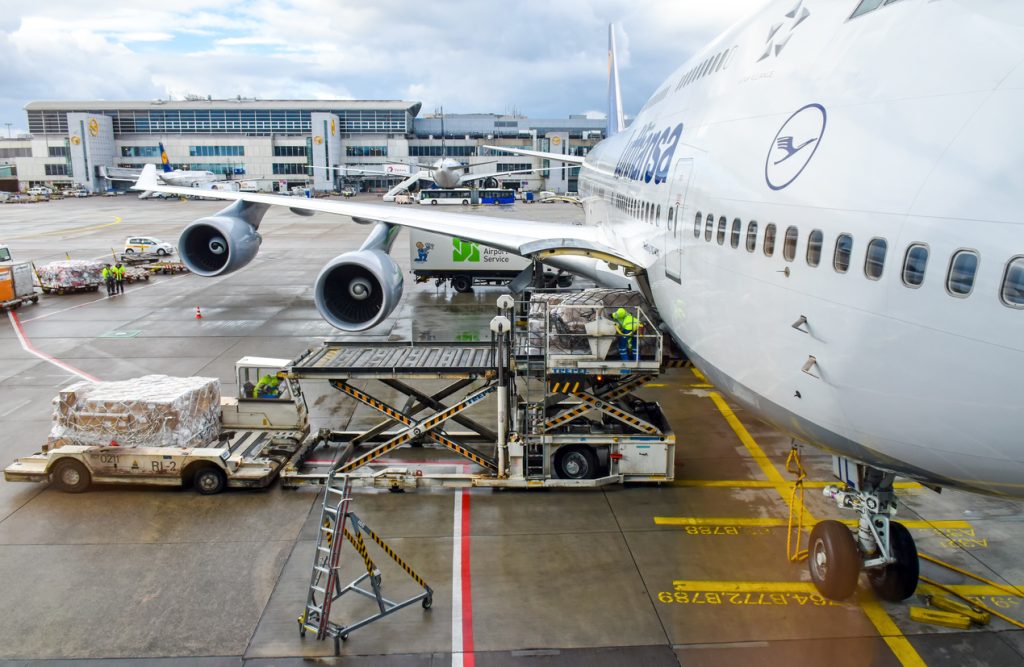
Airport logistics and ground handling are closely connected parts of the aviation system. Airport logistics deals with the movement and coordination of passengers, cargo, aircraft support, equipment and information, while ground handling focuses more specifically on the services required to prepare and support aircraft while they are on the ground.
When these activities are properly coordinated, airlines can achieve more predictable aircraft turnarounds, smoother cargo movement and better use of airport resources.
Ground handling standards vary considerably across African airports. AFRAA notes that some airports face inadequate or limited handling infrastructure and facilities, while handling costs can also be high. (Afraa)
What Airport Logistics Covers
Airport logistics is a broad operation connecting the airport with airlines, cargo companies, transport providers, customs authorities, ground handlers and other stakeholders.
It can include:
- Air cargo acceptance and processing
- Cargo warehousing
- Baggage movement
- Aircraft loading and unloading
- Ground transportation
- Ground Support Equipment management
- Customs coordination
- Freight forwarding
- Cold-chain logistics
- Aircraft spare-parts movement
- Passenger transportation
- Delivery and collection services
The exact activities depend on the airport and the type of traffic it handles.
A major international cargo hub will have very different logistics requirements from a smaller regional airport.
What Ground Handling Covers
Ground handling is the set of services provided to an aircraft and its passengers while the aircraft is at the airport.
Services can include:
- Ramp handling
- Aircraft marshalling
- Pushback and towing
- Baggage handling
- Cargo and mail handling
- Passenger services
- Load control
- Ground Support Equipment
- Aircraft cleaning
- Catering coordination
- Ground power
- Flight operations support
The IATA Ground Handling Partner Directory lists providers offering services such as ramp operations, passenger services, cargo and mail warehousing, load control, security and other support functions. (IATA)
Ground handling is therefore one important component of the wider airport logistics system.
How Airport Logistics and Ground Handling Work Together
The two functions often depend on each other.
Consider an international cargo flight arriving in Lagos. Cargo must first be processed through the appropriate logistics chain before it can be transferred for aircraft loading. At the aircraft stand, ground handling teams then coordinate the physical loading process alongside other turnaround activities.
The same applies to passenger flights.
Baggage must move from check-in through screening and sorting before reaching the aircraft. During the turnaround, the ground handling team unloads arriving baggage and prepares the next departure load.
A breakdown anywhere in this chain can create delays.
This is why airport logistics cannot be managed entirely separately from ground operations.
Aircraft Turnaround Is the Link Between Both
Aircraft turnaround brings airport logistics and ground handling together.
While an aircraft is on the ground, several activities may happen simultaneously. Passengers disembark, baggage and cargo are unloaded, cleaning takes place, equipment is positioned, servicing is performed and the next passenger and cargo loads are prepared.
Ground handling teams manage many of the aircraft-side activities, while wider airport logistics provides the movement, storage, transportation and information systems that support them.
IATA’s ground operations standards are designed to support safe and efficient turnarounds through standardised procedures covering areas such as aircraft handling, load control, GSE management and training. (IATA)
Ground Support Equipment Connects the Operation
Ground Support Equipment is essential to both airport logistics and ground handling.
Baggage tractors move luggage, belt loaders support aircraft loading, passenger stairs provide aircraft access, tugs move aircraft and ground power units can provide electricity while an aircraft is parked.
The equipment has to be available when required and positioned correctly.
Poor GSE management can therefore affect the entire operation. Equipment shortages, maintenance failures and inefficient allocation can result in delays even when sufficient staff are available.
Effective GSE management should include preventive maintenance, equipment tracking, operator training, inspections and contingency arrangements.
Cargo Logistics and Ground Handling
Cargo is another area where the two functions overlap.
Airport logistics can involve the movement of cargo from a shipper or freight forwarder to the airport, warehouse processing, documentation, security screening, customs procedures and onward transportation.
Ground handlers may then take responsibility for activities such as cargo acceptance, warehouse handling, build-up and breakdown, aircraft loading and unloading.
Temperature-sensitive cargo requires additional coordination. Pharmaceuticals, fresh produce and other perishables may need controlled storage and carefully planned transfers between road vehicles, warehouses and aircraft.
A delay in any stage can affect the shipment’s delivery schedule.
Technology and Digital Coordination
Technology is becoming increasingly important for connecting airport logistics and ground handling.
Digital systems can provide visibility into:
- Aircraft turnaround activities
- Cargo status
- Baggage movement
- GSE location
- Equipment maintenance
- Warehouse inventory
- Staff allocation
- Flight schedules
- Operational disruptions
IATA’s Focus Africa programme has identified efficient operations, digital innovation and cost-effectiveness as important areas for African aviation. (IATA)
The value of technology, however, depends on the quality of the underlying processes and data. Introducing disconnected software systems can create additional complexity instead of solving operational problems.
Ground Handling Challenges Across Africa
African airports operate under very different conditions, and this affects the performance of both logistics and ground handling.
Common challenges can include:
- Inadequate handling infrastructure
- Ageing GSE
- Equipment maintenance difficulties
- Limited cargo storage capacity
- Staff shortages
- Training gaps
- High operating costs
- Customs and documentation delays
- Poor road connections around airports
- Communication problems between stakeholders
- Inconsistent operating procedures
AFRAA specifically identifies differences in ground-handling standards, infrastructure limitations and high handling costs as challenges across African airports. (Afraa)
This makes local knowledge important when planning airport logistics operations.
Choosing Airport Logistics and Ground Handling Providers
Airlines and aviation businesses should assess providers according to the exact airport and services required.
Important considerations include:
Service coverage: Confirm that the provider operates at the required airport and offers the necessary services.
Equipment: Check whether suitable and well-maintained GSE is available for the aircraft types being handled.
Safety: Review training, procedures, audits and safety-management practices.
Cargo capability: For freight operations, examine warehouse capacity, security arrangements and specialist cargo facilities.
Performance: Establish measurable service standards for turnaround, baggage, cargo and other activities.
Contingency planning: Determine how the provider responds to equipment failures, staff shortages and operational disruptions.
IATA maintains a Ground Handling Partner Directory that allows users to search providers by region, country and service category. (IATA)
How Travo.ng Can Support Airport Logistics Around Ground Handling
Travo.ng can support the wider travel and logistics requirements surrounding airport and ground-handling operations.
For example, an aviation company may have technical, management or operations staff travelling between Lagos, Abuja, Port Harcourt or other cities. Those teams may need flights, airport transfers, accommodation, vehicle hire or transportation during an assignment.
Travo.ng can help coordinate these practical travel and logistics requirements while specialist airport teams remain responsible for aircraft handling, ramp operations, baggage, cargo and other regulated airside activities.
Travo.ng can therefore complement airport logistics operations without presenting itself as a specialist ground handler. Its role is to make the surrounding movement of people and goods easier to coordinate.
Improving Airport Logistics and Ground Handling
Airports, airlines and service providers can improve performance by treating logistics and ground handling as connected operations.
Practical measures include:
- Map the complete aircraft and cargo movement process.
- Identify recurring bottlenecks.
- Monitor aircraft turnaround performance.
- Improve GSE availability and maintenance.
- Standardise procedures where practical.
- Strengthen communication between airlines, airports and handlers.
- Improve cargo and warehouse visibility.
- Train ground operations personnel regularly.
- Use digital systems where they solve specific operational problems.
- Establish contingency plans for equipment, staffing and infrastructure disruptions.
Safety should remain central throughout these improvements. AFRAA promotes the use of standardised ground-operation practices and safety auditing to improve quality and reduce ground incidents. (Afraa)
The Future of Airport Logistics and Ground Handling in Africa
The future of African airport operations will increasingly depend on better coordination between logistics and ground handling.
Digital cargo systems, GSE tracking, improved warehouse processes, standardised ground procedures and better operational data can help airports manage growing passenger and cargo activity.
However, technology alone will not solve every operational problem. Infrastructure, skilled personnel, reliable equipment, clear procedures and cooperation between stakeholders remain essential.
Airport logistics and ground handling ultimately work toward the same objective: moving aircraft, passengers, baggage and cargo safely and efficiently through the airport. When these functions are planned as one connected operational system, airports can respond more effectively to growing demand and everyday disruptions.
