


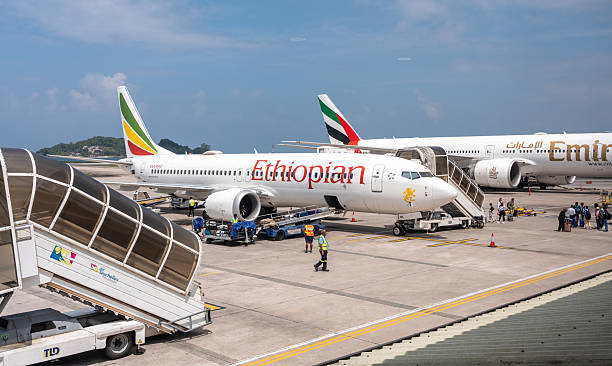
Airport automation in Africa is changing how passengers, baggage, cargo and aircraft are processed. As airports handle growing operational demands, automation can reduce repetitive manual work, improve information flow and help airport teams manage resources more efficiently.
Automation can range from self-service check-in and automated bag drops to biometric gates, baggage tracking, digital customs systems, automated screening and intelligent airport management platforms. The right combination depends on each airport’s infrastructure, passenger volumes and operational requirements.
Where Airport Automation Is Being Used in Africa
Airport automation covers several stages of the airport journey. Common applications include:
- Self-service check-in kiosks
- Automated bag-drop systems
- Biometric e-gates
- Automated border-control systems
- Baggage reconciliation and tracking
- Automated security screening
- Digital customs processing
- Airport resource management
- Automated parking systems
- Cargo tracking and warehouse automation
- Artificial intelligence for operational planning
The objective is not necessarily to remove people from airport operations. Instead, automation can allow staff to spend less time on repetitive processes and more time handling exceptions, security requirements and passenger assistance.
Automated Passenger Processing
Passenger processing is one of the most visible areas of airport automation.
Instead of depending entirely on staffed counters, passengers can increasingly use kiosks, automated bag-drop points and biometric gates for parts of their journey.
South Africa’s Airports Company has been implementing automated border-control gates and planning further self-service technologies across baggage drop, immigration and boarding processes. (Airports)
In Nigeria, MMA2 already operates technologies including self-service check-in kiosks, automated access gates, CUPPS and a baggage reconciliation system. (MMA2)
These systems can help reduce queues when properly integrated with the airport’s wider passenger-processing infrastructure.
Baggage Automation and Tracking
Baggage handling is another major area for automation.
A checked bag may pass through check-in, security screening, sorting, loading, aircraft transfer and baggage reclaim. Every additional manual handoff creates opportunities for delays or misrouting.
Automated baggage systems can combine conveyor systems, scanning, sorting, reconciliation and tracking technologies. IATA’s baggage strategy places particular emphasis on data exchange, tracking and automation to improve baggage visibility and reduce mishandling. (IATA)
For African airports, this can be particularly useful during busy periods when large volumes of baggage must be processed within tight aircraft turnaround windows.
Automated Airport Security
Security screening is another area where automation is expanding.
Modern screening equipment can analyse baggage more efficiently and identify items that require further inspection. In Lagos, new high-capacity screening equipment and surveillance systems have been introduced at Murtala Muhammed International Airport as part of efforts to reduce manual checks and improve passenger flow. (FedMin Info & Nat Orientation)
Automation does not eliminate the need for trained security personnel. Instead, technology can help officers focus their attention on flagged items and situations requiring human judgement.
Automation in Air Cargo Operations
Cargo terminals can also benefit from automation.
Automated storage systems, barcode and RFID tracking, conveyor systems, warehouse management software and automated guided vehicles can help move cargo through terminals more efficiently.
For time-sensitive shipments such as pharmaceuticals, perishables and aircraft spare parts, knowing where cargo is located and what stage of processing it has reached can be extremely important.
Digital cargo systems can also reduce repeated data entry between airlines, freight forwarders, customs authorities, warehouse operators and transport providers.
Artificial Intelligence in Airport Operations
Artificial intelligence can support airport automation by analysing large amounts of operational data.
Potential applications include:
- Predicting passenger demand
- Managing queues
- Forecasting baggage volumes
- Optimising airport resources
- Detecting unusual operational patterns
- Supporting maintenance planning
- Improving aircraft turnaround coordination
AI is particularly useful when it is connected to reliable operational data. An airport cannot expect advanced analytics to solve problems caused by poor data collection, unreliable infrastructure or disconnected systems.
Automated Ground and Baggage Movement
Automation is also moving beyond passenger terminals.
Autonomous mobile robots can be used for repetitive movement of baggage, cargo and supplies within airport environments. Such systems can potentially operate continuously while reducing the amount of manual transport required between different airport areas.
For airports considering this technology, safety and integration are critical. Automated vehicles need to operate alongside aircraft, ground-support equipment, employees and other vehicles without disrupting normal airside operations.
The Infrastructure Challenge
Airport automation requires more than purchasing equipment.
Reliable electricity, connectivity, cybersecurity, technical support and trained personnel are essential. Airports also need backup procedures for situations where automated systems become unavailable.
This is particularly important in markets where infrastructure reliability varies between airports.
A phased approach can therefore make sense. An airport might first automate a high-volume process such as check-in, baggage tracking or border control before connecting additional systems.
How Travo.ng Can Support Airport Travel and Logistics
Travo.ng is not an airport automation technology provider or airport operator. Its role can instead support the travel and logistics activities that take place around automated airport operations.
For travellers and businesses, Travo.ng can assist with travel bookings, airport transfers, hotel reservations, vehicle hire and transportation coordination. Where relevant, delivery and logistics support can also help connect airport movements with destinations beyond the terminal.
For example, a business bringing staff from Abuja to Lagos for an airport project may need flights, accommodation, airport pickup and local transportation arranged together. Travo.ng can help coordinate these travel requirements so that the journey does not end with the flight arrival.
This wider ground coordination remains important even when airport processes themselves become increasingly automated.
What African Airports Should Consider Before Automating
Automation should be based on actual operational needs rather than technology trends.
Airport operators should assess:
- Which processes create the longest delays
- Whether existing systems can integrate with new technology
- Power and internet reliability
- Staff training requirements
- Cybersecurity and data protection
- Maintenance and technical support
- System backup arrangements
- Total cost of ownership
- Ability to expand the technology later
An airport with limited infrastructure may gain more from improving one critical process than from introducing several disconnected automated systems.
Building More Efficient Automated Airports
Airport automation in Africa is likely to develop across passenger processing, baggage handling, cargo logistics, security, resource management and ground operations.
The strongest results will come when these systems are connected rather than operating as isolated technologies. A passenger’s check-in, baggage movement, security processing, boarding and ground transportation should increasingly form part of a coordinated journey.
For African airports, successful automation will therefore depend not only on modern equipment but also on reliable infrastructure, trained personnel, compatible digital systems and practical integration with the wider transportation and logistics network.
