


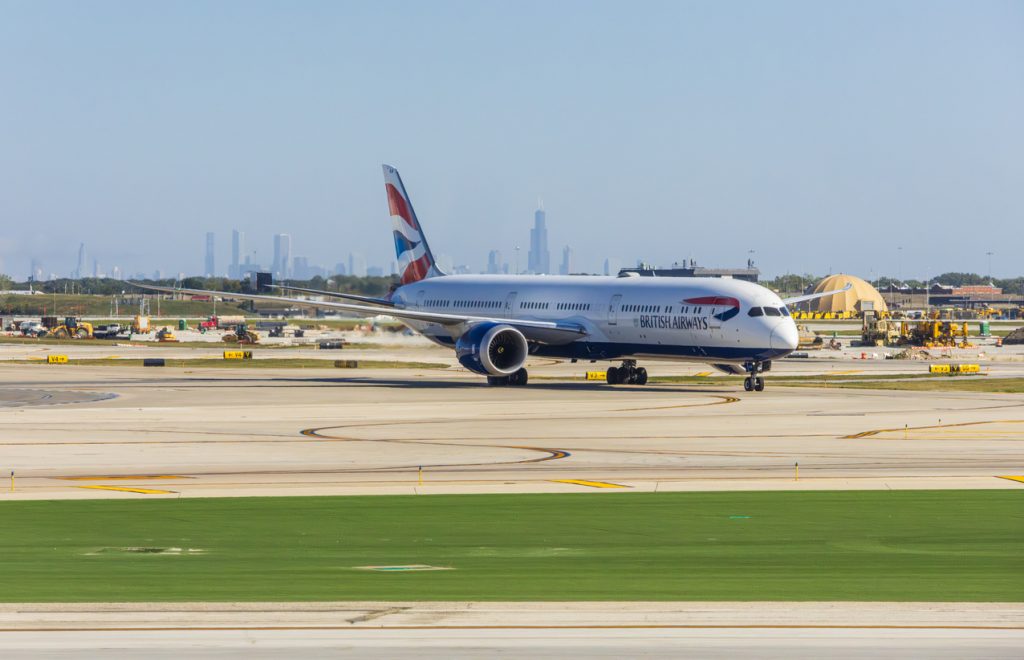
Aircraft turnaround management services in Africa focus on coordinating everything that happens between an aircraft’s arrival at an airport stand and its departure for the next flight.
During this relatively short period, several activities may take place at the same time. Passengers disembark, baggage and cargo are unloaded, the aircraft is cleaned, catering and other servicing are completed, new passengers board and the aircraft is loaded for departure.
Managing these activities effectively requires more than simply having enough ground staff. Airlines, airports and ground handling providers need coordinated processes, appropriate equipment, accurate information and clear responsibility for each task.
IATA identifies safe, secure and on-time ground handling turnarounds as a priority and provides standards covering aircraft handling, load control, GSE management and ground operations training. (IATA)
What Aircraft Turnaround Management Services Cover
Turnaround management can cover the planning, supervision and coordination of multiple ground activities.
Depending on the airport and service provider, this can include:
- Aircraft arrival coordination
- Ramp team coordination
- Passenger boarding and disembarkation
- Baggage loading and unloading
- Cargo handling
- Aircraft cleaning
- Catering coordination
- Refuelling coordination
- Ground support equipment allocation
- Load control
- Aircraft pushback
- Departure readiness monitoring
- Communication between airline and ground teams
IATA’s aircraft turnaround training specifically covers coordinating the full turnaround, managing loading and offloading, using ground equipment and manpower effectively, and maintaining safety and punctuality. (IATA)
Why Turnaround Coordination Matters
An aircraft can be ready to depart only when several separate activities have been completed.
For example, cleaning may finish on schedule but baggage loading could still be incomplete. The aircraft may have fuel but be waiting for passengers to board, or passengers may be ready while a load control issue is being resolved.
These activities are interconnected.
IATA’s guidance on turnaround processes emphasises coordination between airlines, airports and ground service providers because individual operational services need to work together rather than operate in isolation. (IATA)
A turnaround management team therefore needs visibility over the complete process instead of focusing on only one ground service.
Common Turnaround Challenges at African Airports
African airports operate under very different infrastructure and operating conditions. Some have modern facilities and established ground handling systems, while others face limitations in equipment, facilities and oversight.
AFRAA reports that ground handling standards vary significantly across African airports and that some airports have inadequate or ageing passenger and cargo handling infrastructure. (Afraa)
Common turnaround challenges can include:
- Shortage of trained ground staff
- GSE availability problems
- Equipment breakdowns
- Poor communication between teams
- Limited aircraft parking stands
- Baggage handling delays
- Cargo loading delays
- Congested ramps
- Inconsistent operating procedures
- Limited real-time operational information
Any of these can affect the time an aircraft spends on the ground.
Ground Support Equipment Needs to Be Ready Before Arrival
Turnaround management includes making sure the right equipment is available at the right time.
Depending on the aircraft and operation, teams may require baggage tractors, belt loaders, passenger stairs, ground power units, pushback tractors, catering vehicles and other equipment.
If equipment is assigned late or is being used for another aircraft, a task can remain unfinished even when personnel are available.
IATA’s turnaround guidance recommends preparing ground services before aircraft arrival and maintaining appropriate GSE and maintenance programmes to support efficient operations. (IATA)
Workforce Planning Is Just as Important
Turnaround management depends heavily on people.
Ramp agents, load controllers, baggage handlers, passenger service staff, equipment operators and supervisors all need to be available according to the flight schedule.
A shortage of workers can create bottlenecks, but having enough employees is not enough if they are poorly allocated.
Effective planning considers the number and type of aircraft arriving, expected passenger and cargo loads, turnaround targets, available equipment and overlapping flight schedules.
IATA’s ground operations standards also identify standardisation and competency as important ways to improve safety and operational efficiency, particularly when ground operations face staff shortages. (IATA)
Communication Can Make or Break a Turnaround
A turnaround involves several teams that may work for different organisations.
The airline, airport, ground handler, catering company, fuelling provider, cargo team and other service providers may all have separate responsibilities.
If information does not reach the right team quickly, a small problem can become a departure delay.
Digital turnaround systems and collaborative decision-making can help different stakeholders share operational information. IATA’s Airport Collaborative Decision Making approach is designed around real-time information sharing and coordinated decision-making among airport stakeholders. (IATA)
Measuring Aircraft Turnaround Performance
Turnaround management should be measured rather than based solely on whether an aircraft eventually departs.
Useful performance indicators can include:
- Scheduled versus actual turnaround time
- Departure punctuality
- Baggage loading completion
- Cargo loading completion
- GSE availability
- Delays caused by ground operations
- Equipment-related incidents
- Safety events
- Missed turnaround milestones
Tracking these indicators helps operators identify where time is consistently being lost.
For example, if several flights repeatedly wait for baggage loading, management can investigate staffing, equipment allocation, baggage system capacity or coordination rather than simply telling staff to work faster.
Standardised Procedures Improve Consistency
Turnaround operations become more difficult when every airline, airport or ground handling team uses completely different processes.
IATA’s Ground Operations Manual is designed to standardise ground handling procedures and reduce complexity between airlines, airports and ground service providers. Its aircraft turnaround chapter covers areas including aircraft arrival, departure and towing, while the wider manual addresses baggage, safety and load control. (IATA)
Standardised procedures can make it easier for employees to understand their responsibilities and reduce unnecessary variation between operations.
Digital Turnaround Management in Africa
Technology can provide greater visibility during an aircraft turnaround.
A digital system can show whether key activities have started, whether equipment has arrived and whether a particular task is running behind schedule.
More advanced airport systems can integrate information from airlines, ground handlers and other operational partners.
This is particularly useful at busy airports where several aircraft may be turning around simultaneously.
The goal is not to add technology for its own sake. The system should help operational teams identify problems early enough to take corrective action.
How Travo.ng Can Support Aviation Travel Logistics
Travo.ng is not a specialist aircraft turnaround management company or airport ground handler. Its role is better suited to the wider travel and logistics requirements surrounding aviation operations.
For example, airlines, aviation contractors and business teams may need personnel moved between cities for operational assignments. Travo.ng can assist with travel bookings, airport transfers, hotel reservations and vehicle hire.
Where relevant, delivery and transportation coordination can also support activities outside the airport itself.
A practical example would be an aviation company sending a team from Lagos to Abuja for an airport operations project. The specialist ground handling or turnaround provider would manage the aircraft operation, while Travo.ng can help coordinate the team’s flights, accommodation and local transportation.
Training Turnaround Teams
Effective turnaround management requires people who understand aircraft handling, loading procedures, safety requirements and resource coordination.
IATA provides dedicated aircraft turnaround coordination and loading supervision training covering turnaround planning, aircraft handling, loading, load control, GSE and ramp safety. (IATA)
Training can help supervisors recognise potential delays earlier and coordinate teams more effectively.
AFRAA also provides consultancy services covering technical and operations, training and safety for African airlines. (Afraa)
Improving Turnaround Management Across Africa
African airlines and airports can strengthen aircraft turnaround performance by focusing on practical operational improvements.
These include:
- Preparing ground teams before aircraft arrival
- Improving GSE availability and maintenance
- Using clear turnaround plans
- Standardising ground procedures
- Improving communication between stakeholders
- Monitoring turnaround performance
- Training supervisors and frontline staff
- Using digital operational information
- Planning staff and equipment around peak schedules
- Investigating recurring sources of ground delay
Aircraft turnaround management is ultimately about coordinating many individual activities as one operation. When people, equipment, procedures and information are properly aligned, ground teams can work more safely and predictably while airlines gain better visibility over their aircraft’s departure readiness.
For African airports dealing with growing traffic and varying levels of infrastructure, effective turnaround management can therefore be an important part of improving day-to-day operational performance.
