


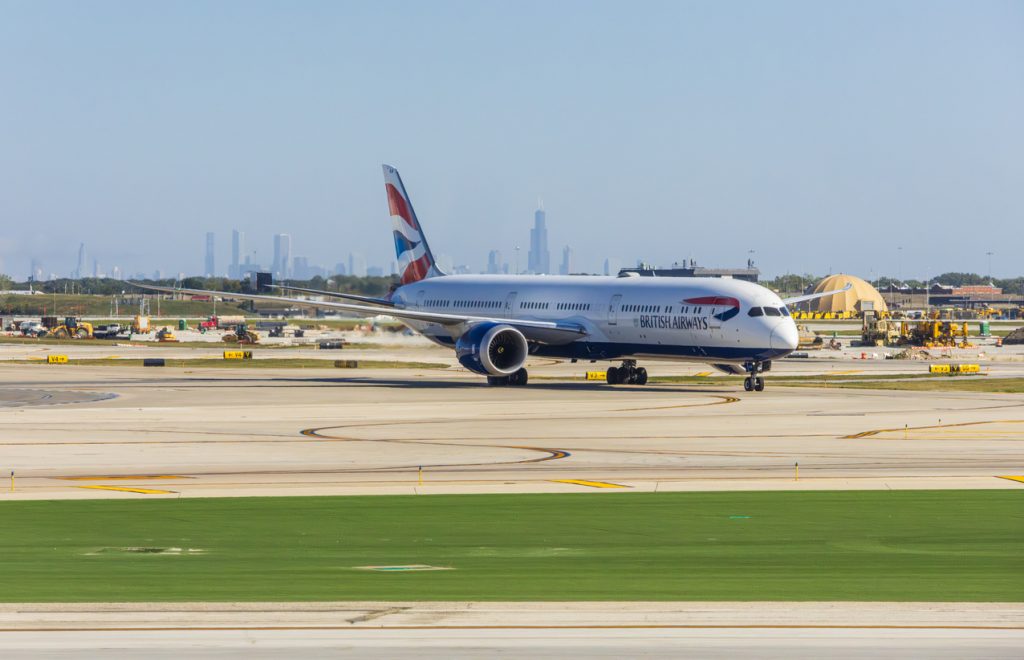
Aircraft support services in Africa cover the range of operational activities that help aircraft, airlines and flight crews operate safely and efficiently on the ground. These services can include ramp handling, passenger services, load control, aircraft maintenance, cargo support, security, flight operations assistance and other ground-based activities.
The exact services available vary between airports and service providers. IATA’s Ground Handling Partner Directory, for example, lists providers offering combinations of ramp services, passenger handling, load control, flight operations, cargo and mail services, security, aircraft maintenance and other support functions across the Africa and Middle East region. (IATA)
What Aircraft Support Services Include
Aircraft support is a broad category rather than one single airport service. Depending on the aircraft, operator and airport, support can include:
- Aircraft ground handling
- Ramp operations
- Aircraft cleaning and servicing
- Baggage and cargo handling
- Passenger assistance
- Aircraft maintenance
- Load control
- Flight operations support
- Ground support equipment
- Security services
- Crew transportation
- Aircraft parking coordination
- Catering and other turnaround services
Some providers specialise in one area, while others offer several services under one operation.
Aircraft Ground Handling Support
Ground handling is one of the most important forms of aircraft support. It covers activities that take place while an aircraft is on the ground between flights.
Teams may be responsible for baggage loading and unloading, aircraft positioning, passenger boarding, cargo handling, cleaning, servicing and other turnaround activities.
Ground support equipment is also essential. IATA describes GSE as critical to safe and efficient aircraft servicing, with equipment ranging from baggage and cargo equipment to other specialised ground machinery. (IATA)
Good coordination between these teams helps prevent unnecessary delays during aircraft turnaround.
Aircraft Maintenance and Technical Support
Aircraft maintenance is a specialist area of aircraft support services. It involves inspections, repairs, scheduled maintenance and other technical work required to keep aircraft airworthy.
Maintenance support may be provided at an airport by an airline’s own engineering team or by an approved maintenance organisation, depending on the aircraft and regulatory requirements.
African aviation operators may also require access to maintenance facilities, qualified personnel, spare parts and technical support when operating away from their main bases.
The availability of these resources can influence where airlines choose to base aircraft and how efficiently they can manage operational disruptions.
Load Control and Flight Operations Support
Aircraft cannot simply be loaded based on available space. Weight distribution and balance have to be considered before departure.
Load control teams work with flight operations and ground handling personnel to ensure the required information is available for aircraft loading and departure preparation.
Flight operations support can also involve operational coordination, documentation, permits and other requirements depending on the flight and jurisdiction.
IATA’s African and Middle Eastern ground-handling directory includes providers offering both load control and flight operations services, demonstrating how these functions can form part of broader aircraft support operations. (IATA)
Passenger, Baggage and Cargo Support
Aircraft support also extends to the people and goods travelling on the aircraft.
Passenger services can include check-in assistance, boarding, special assistance and arrival support. Baggage teams manage the movement of passenger bags between terminals and aircraft.
Cargo support involves receiving, storing, screening, documenting and moving freight through airport facilities.
These activities need to be coordinated with aircraft turnaround schedules. If cargo or baggage is not ready when loading is scheduled to begin, the resulting delay can affect the aircraft’s departure.
Ground Support Equipment and Aircraft Safety
Ground support equipment plays a direct role in aircraft servicing. Belt loaders, baggage tractors, passenger stairs, ground power units and other equipment allow ground teams to perform essential tasks around aircraft.
However, equipment also needs to be properly maintained and operated.
IATA notes that GSE operations are an important factor in aircraft ground damage and promotes enhanced equipment and recommended practices aimed at reducing those risks. (IATA)
For African airports handling multiple airlines and aircraft types, having appropriate equipment available at the right time can make a significant difference to turnaround operations.
Aircraft Support Challenges in Africa
Aircraft support operations across Africa face different challenges depending on the airport, airline and local infrastructure.
Some common issues include:
- Limited availability of specialised equipment
- Equipment maintenance problems
- Shortages of trained ground personnel
- Limited aircraft maintenance capacity
- Cargo handling constraints
- Delays in obtaining spare parts
- Communication gaps between service providers
- Congested airport facilities
- Inconsistent availability of support services at smaller airports
The continent also has significant variation between major international hubs and smaller regional airports. A service available at a major hub may not be available at the same level at a smaller airport.
Recent African aviation initiatives have continued to focus on improving airport infrastructure, operational efficiency and connectivity. For example, the African Development Bank’s 2026 financing for Arua Airport in Uganda includes runway, taxiway, apron, passenger-terminal and cargo-terminal improvements. (African Development Bank)
Choosing Aircraft Support Services
Airlines, aircraft operators and aviation businesses should consider the actual requirements of their operation before selecting a support provider.
Important questions include:
- Which services are required at the airport?
- Does the provider have the appropriate equipment and personnel?
- Can it support the aircraft type involved?
- What are its operating hours?
- Can it coordinate with other ground service providers?
- How are safety and operational procedures managed?
- Can it provide support during irregular operations or delays?
For international operations, operators may also need to consider local regulatory requirements and the provider’s experience working with international airlines.
How Travo.ng Can Support Aircraft-Related Travel and Logistics
Travo.ng is not an aircraft maintenance company or specialist ground handling provider. Its role is to support the travel and logistics activities surrounding aviation operations.
For example, an aviation company may have engineers, consultants, crew or other personnel travelling to Lagos, Abuja, Accra, Nairobi or another destination for an aircraft-related assignment. Those personnel may need airport pickups, hotel accommodation, vehicle hire and coordinated transportation during their stay.
Travo.ng can assist with travel bookings, hotel reservations, airport transfers, vehicle hire and relevant delivery or logistics coordination. This can help aviation businesses organize the movement of their personnel while specialist aviation providers handle technical aircraft requirements.
Building Reliable Aircraft Support Operations
Aircraft support services work best when different teams understand their responsibilities and coordinate around the aircraft’s operating schedule.
Ground handling, maintenance, cargo, passenger services, load control, equipment and transportation all contribute to the wider operation. A weakness in one area can create delays or operational complications elsewhere.
For African aviation businesses, developing reliable support networks therefore requires attention to equipment, trained personnel, infrastructure, communication and local service availability.
As airports and airlines expand their operations across the continent, dependable aircraft support will remain an important part of maintaining safe and efficient aviation services.
