


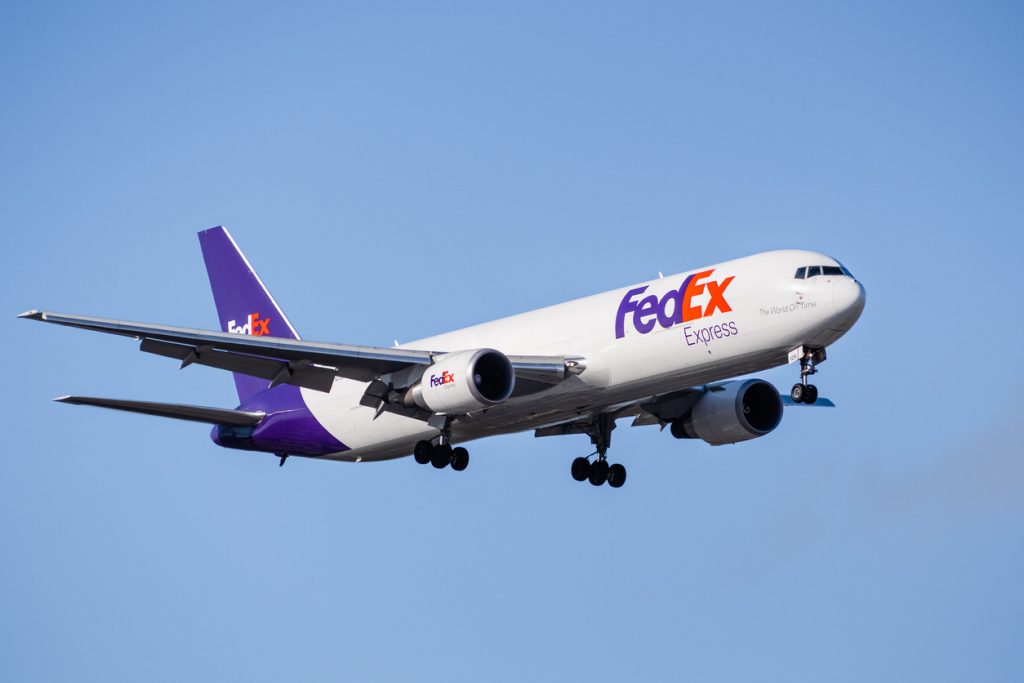
Aircraft logistics in Africa involves much more than moving aircraft between airports. It includes the sourcing and transportation of spare parts, engines, maintenance equipment, ground support equipment, fuel-related supplies and other materials needed to keep aircraft operating.
When these items are delayed, an aircraft can remain on the ground even when the airline has pilots, passengers and a flight schedule ready. This makes logistics an important part of aircraft availability and airline reliability.
The challenge is particularly significant in Africa because airlines often operate relatively small and fragmented fleets while depending on international supply chains for many aircraft components. IATA has identified aircraft and spare-parts shortages as significant constraints for African airlines. (IATA)
Aircraft Spare Parts Can Take Too Long to Reach Africa
One of the biggest aircraft logistics challenges Africa faces is the availability and movement of spare parts.
A relatively small component can prevent an aircraft from operating if the required part is not available. Airlines may have to source components from manufacturers, approved suppliers, parts pools or other operators in another country.
The shipment then has to move through international freight networks, customs and local transportation before reaching the maintenance facility.
IATA reported in 2026 that parts shortages, delivery delays and constrained maintenance capacity are continuing to disrupt airline operations globally, with these pressures particularly significant for African carriers. (IATA)
Limited Regional Logistics Hubs Increase Lead Times
Africa does not have the same concentration of aviation parts distribution and maintenance facilities found in some other regions.
When a critical component has to come from outside the continent, geographical distance can add time and cost to the process. The absence of regional distribution centres can also make it harder for airlines to obtain parts quickly.
The 2026 African MRO Conference highlighted parts availability as a major operational challenge and pointed to the lack of major regional logistics hubs as a factor slowing supply-chain responsiveness. (Afraa)
Developing regional aviation logistics hubs could allow commonly required components, tools and equipment to be positioned closer to the airlines that need them.
Customs Procedures Can Delay Aircraft Parts
Aircraft components are highly regulated and often require specific documentation.
A spare part arriving from another country may need customs clearance, import documentation, technical records and other regulatory checks before it can reach the maintenance organisation.
Delays become particularly serious during an Aircraft on Ground situation, commonly referred to as AOG. In such cases, every additional hour spent waiting for a component can affect the airline’s schedule and aircraft utilisation.
AFRAA has called for more efficient and harmonised customs clearance processes and the removal of customs duties on aircraft and spare parts as part of efforts to reduce aviation supply-chain difficulties. (Afraa)
Dependence on Overseas Maintenance Facilities
Another challenge is the limited availability of some specialised maintenance capabilities within Africa.
AFRAA has noted that a significant share of aircraft maintenance for African airlines is performed outside the continent. This can result in additional transportation costs, longer maintenance turnaround times and aircraft remaining unavailable for longer periods. (Afraa)
For major engine or component repairs, an airline may therefore need to transport the equipment to a specialist facility outside its normal operating network.
The aircraft itself may not always need to leave the country, but its engine, component or other critical equipment may travel thousands of kilometres before the maintenance process is completed.
Older Fleets Create Additional Logistics Pressure
Aircraft delivery delays can force airlines to keep older aircraft in service for longer.
Older aircraft generally require more maintenance attention and can consume more resources when components need replacement or repair. IATA reported that aircraft operating in Africa are, on average, older than the global fleet and that supply-chain pressures are contributing to longer periods of fleet use. (IATA)
This creates a cycle in which airlines need more spare parts and maintenance support while simultaneously facing difficulties obtaining those resources.
Skilled Aviation Logistics Personnel Are Also Needed
Aircraft logistics does not depend only on warehouses and transport companies.
People need to understand aircraft parts, technical documentation, dangerous goods requirements, customs procedures, inventory management and aviation regulations.
A shortage of specialised personnel can make procurement and maintenance coordination more difficult.
AFRAA has identified technical workforce development and skills shortages as important parts of strengthening Africa’s MRO ecosystem. (Afraa)
Training therefore needs to cover both technical aviation skills and the logistics processes that support aircraft maintenance.
Ground Handling and Equipment Can Create Delays
Aircraft logistics also includes the movement and availability of ground support equipment.
Aircraft need equipment such as ground power units, baggage equipment, passenger stairs, pushback tractors and other specialised vehicles during ground operations. If equipment is unavailable or poorly maintained, aircraft turnaround can take longer.
IATA has identified modern ground support equipment, stronger standards and digitalisation as important areas for making ground handling more resilient. (IATA)
This means aircraft logistics planning has to consider what happens around the aircraft as well as what goes into the aircraft.
Poor Visibility Makes Logistics Planning Harder
Airlines need to know where critical components are, when they will arrive and whether they are available for use.
Without reliable information, an airline may discover too late that a component has been delayed or that a repair will take longer than expected.
IATA’s current aviation supply-chain priorities include better supply-chain visibility, greater use of data and digitalisation, improved aftermarket access and stronger human capacity. (IATA)
Digital inventory systems, shipment tracking and better communication between airlines, suppliers and maintenance organisations can help operators respond earlier to potential shortages.
Aircraft Logistics Costs Can Be High
Aircraft parts are expensive, but the logistics surrounding them can add another layer of cost.
Airlines may have to pay for urgent transportation, customs processing, specialised packaging, temporary replacement components or additional aircraft and engine leasing when a maintenance delay becomes prolonged.
IATA estimates that global aviation supply-chain problems generated more than $11 billion in airline costs in 2025, including higher maintenance costs, additional engine leasing and extra spare-parts inventory. (IATA)
For African airlines already operating in high-cost environments, controlling these logistics expenses is particularly important.
How Travo.ng Can Support Aircraft Logistics
Travo.ng is not an aircraft maintenance company, MRO provider or specialist aviation parts supplier. Its role can instead support the wider travel and logistics requirements surrounding aviation operations.
For example, when aviation personnel, engineers, contractors or business teams need to travel between Nigerian cities or other destinations, Travo.ng can assist with travel bookings, airport transfers, hotel reservations and vehicle hire.
Where appropriate, delivery and logistics coordination can also support the movement of non-technical goods around a broader business operation.
This can be useful when an aviation company has personnel travelling to coordinate maintenance, cargo or operational projects and needs their flights, accommodation and local transportation organised alongside the wider assignment.
Building a More Reliable Aircraft Logistics System
Addressing aircraft logistics challenges Africa requires cooperation across airlines, airports, MRO organisations, suppliers, customs authorities, freight providers and regulators.
Practical improvements include:
- Establishing regional aviation parts distribution centres
- Improving customs procedures for aircraft components
- Expanding MRO capabilities within Africa
- Developing specialised aviation logistics professionals
- Increasing spare-parts inventory visibility
- Improving digital shipment tracking
- Strengthening regional freight connections
- Modernising ground support equipment
- Creating stronger partnerships between airlines and suppliers
- Developing contingency plans for AOG situations
Africa’s aviation sector cannot depend entirely on aircraft availability without also strengthening the systems that keep those aircraft serviceable. Better parts distribution, maintenance capacity, customs processes, skilled personnel and logistics coordination can reduce avoidable downtime and make airline operations more resilient.
