


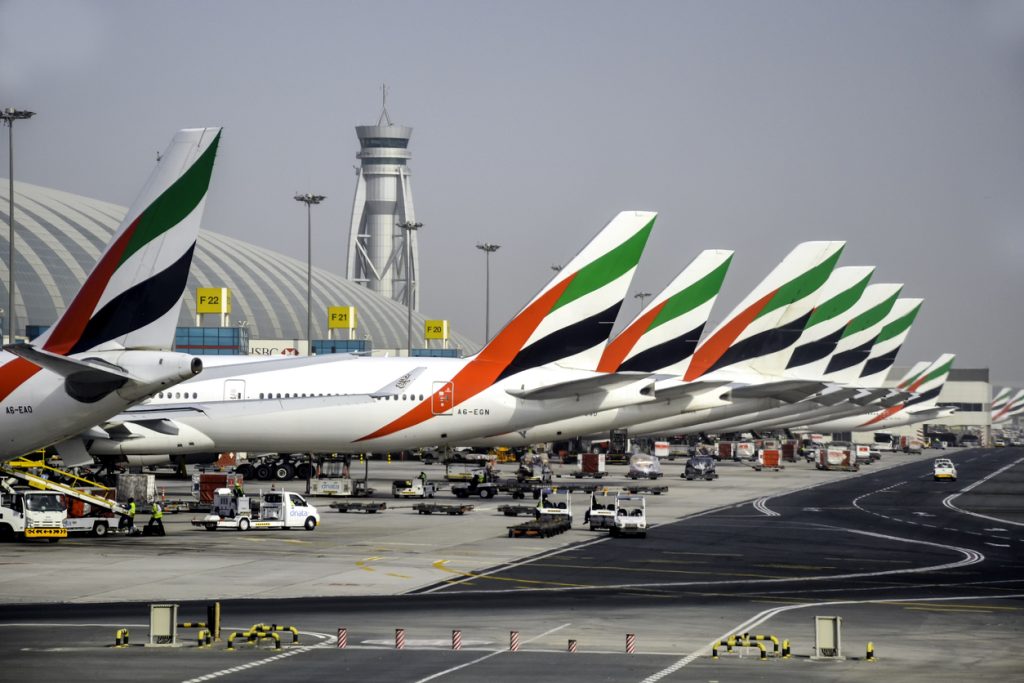
Aircraft handling and turnaround services are the coordinated ground activities required to prepare an aircraft for its next flight. Once an aircraft arrives at an airport, several teams need to work around it within a limited period before it can depart again.
These activities can include passenger handling, baggage and cargo operations, aircraft servicing, catering, cleaning, refuelling coordination, loading, ground support equipment and aircraft movement.
For African airports, reliable turnaround operations are particularly important because delays in one ground activity can affect the aircraft’s next flight and potentially disrupt other flights in the schedule. IATA identifies safe, secure and on-time ground handling turnarounds as a core priority for airlines and ground handling providers. (IATA)
What Aircraft Handling Services Include
Aircraft handling covers several activities performed before, during and after an aircraft’s arrival at the stand.
Depending on the airport and service provider, these can include:
- Aircraft arrival and stand coordination
- Passenger boarding and disembarkation
- Baggage loading and unloading
- Cargo and mail handling
- Aircraft cleaning
- Catering coordination
- Refuelling support
- Pushback and towing
- Ground power and aircraft servicing
- Load control
- Ramp operations
- Ground support equipment management
IATA’s Airport Handling Manual covers areas including passenger, cargo and aircraft handling, load control, GSE management, safety and ground operations training. (IATA)
How an Aircraft Turnaround Works
An aircraft turnaround begins when the aircraft arrives at its parking position and ends when it leaves the stand for its next flight.
During this period, different teams may be working simultaneously. Passengers disembark while baggage and cargo are unloaded. Cleaning and catering teams prepare the cabin, while other personnel arrange fuel, equipment, loading and technical support.
Before departure, new passengers board, baggage and cargo are loaded, final load information is confirmed and the aircraft is prepared for pushback.
The challenge is coordinating these activities without compromising safety. IATA’s aircraft turnaround training specifically covers off-loading, loading, resource coordination, aircraft movement, load control and turnaround planning. (IATA)
Ground Support Equipment and Turnaround Performance
Ground support equipment is essential to aircraft handling.
Belt loaders, baggage tractors, passenger stairs, aircraft tugs, ground power units and other specialised equipment allow ground teams to complete their tasks.
Equipment shortages or breakdowns can create delays when a replacement is not immediately available. Poorly managed GSE can also create safety risks.
IATA reported more than 29,000 aircraft ground damage events globally in 2025 and has called for modernised GSE, stronger standards and greater digitalisation of ground handling. (IATA)
For African airports, effective GSE planning therefore involves not only purchasing equipment but also maintaining it, positioning it correctly and ensuring trained personnel can operate it safely.
Baggage, Cargo and Load Control
Baggage and cargo handling must be coordinated carefully during a turnaround.
Bags need to be unloaded, sorted and transported between the aircraft and baggage facilities. Cargo may require additional screening, documentation, storage or specialised handling before being loaded.
Load control is also important because the aircraft needs accurate information about its passengers, baggage, cargo and weight distribution before departure.
Errors in these areas can cause operational delays and, more importantly, create safety problems.
Ramp Safety in African Airports
Aircraft ramps are busy environments where aircraft, vehicles, equipment and personnel operate in close proximity.
Safety procedures therefore need to cover vehicle movements, aircraft positioning, GSE operations, loading activities, personnel access and foreign object debris.
ACI Africa’s FOD management guidance identifies potential hazards around aircraft stands and turnaround activities, including debris that can damage aircraft, equipment or injure personnel. (ACI Africa)
Consistent procedures, inspections and staff training are therefore important parts of aircraft handling services.
Staffing and Turnaround Coordination
Aircraft turnaround performance depends heavily on people.
Ramp agents, load controllers, baggage teams, passenger service staff, equipment operators, supervisors and other personnel need to understand their responsibilities and communicate effectively.
Staff shortages can make this more difficult, particularly when several aircraft are being handled at the same time.
IATA identifies labour shortages, safety and on-time performance among current ground operations challenges. Its standards are designed to reduce unnecessary variations and improve training and operational consistency. (IATA)
Digital Tools for Aircraft Turnarounds
Digitalisation is changing how turnaround activities are monitored and coordinated.
Technology can help track GSE, record when individual turnaround tasks begin and end, share operational information and identify delays.
IATA’s work on future ground operations includes AI-integrated turnaround systems, asset tracking and structured turnaround timestamps. IATA says adoption of the industry turnaround timestamp standard could reduce ground-handling delays by up to 5% globally. (IATA)
For African airports, digital systems can provide better visibility over resources and help supervisors identify problems before they develop into significant departure delays.
Aircraft Handling Services Across Africa
Aircraft handling requirements differ between airports depending on traffic volumes, infrastructure, aircraft types and available ground service providers.
IATA’s Ground Handling Partner Directory currently lists ground-handling partners across the Africa and Middle East region, covering services such as ramp operations, passenger services, cargo and mail warehousing, load control and support services. (IATA)
This means airlines operating across African routes may work with different ground-handling arrangements at different airports. Standardised procedures and clear communication become especially important when operations involve multiple stations.
How Travo.ng Can Support Aviation Travel Logistics
Travo.ng is not a specialist aircraft handling or ground-handling company. It does not provide ramp operations, aircraft towing, baggage handling, load control or GSE services.
Its role is on the wider travel and transportation side surrounding aviation operations.
For example, an airline, aviation consultancy, maintenance company or airport project may have technicians, consultants or business personnel travelling into Nigeria. Travo.ng can support their airport transfers, travel bookings, hotel reservations, vehicle hire and relevant transportation coordination.
A project team working between Lagos, Abuja or another Nigerian location can therefore have its travel and mobility arrangements coordinated separately from the specialist aircraft handling work taking place at the airport.
Improving Aircraft Turnaround Services in Africa
Reliable aircraft handling depends on several parts working together: trained personnel, suitable equipment, clear procedures, effective communication and sufficient airport infrastructure.
Ground handlers can improve performance through standardised processes, preventive GSE maintenance, staff training, digital monitoring and stronger coordination with airlines and airport operators.
IATA’s current ground-handling priorities emphasise consistent implementation of global standards, modern GSE and digitalisation as important elements of safer and more resilient ground operations. (IATA)
For African airports, combining these improvements with practical local planning can help make aircraft turnarounds safer, more predictable and better suited to the operational demands of growing aviation networks.
