


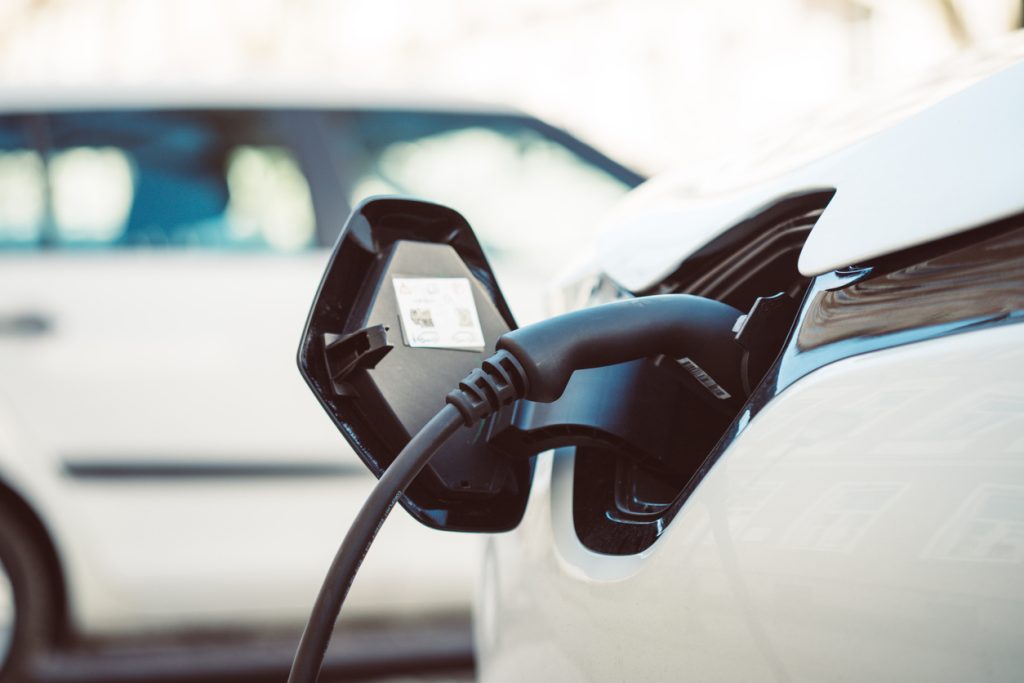
Workplace EV charger installation is becoming a practical consideration for Nigerian companies introducing electric vehicles into their fleets or preparing their premises for employees and visitors who drive EVs. Installing a charger at an office, warehouse, hotel, residential estate, or commercial facility is not simply a matter of mounting equipment on a wall. The available electricity supply, parking arrangement, vehicle usage and future charging demand all affect the installation.
For businesses in Lagos, Abuja and other major cities, planning these details properly can prevent expensive electrical upgrades, inconvenient charger locations and unreliable daily charging.
Start With the Vehicles That Will Actually Use the Chargers
Before choosing charging equipment, establish how the vehicles will be used.
An employee who parks at the office for eight hours has very different charging requirements from a company vehicle that returns briefly between deliveries. Likewise, a fleet of electric vans may require more charging capacity than two executive EVs parked overnight.
A useful assessment should consider:
- Number and type of electric vehicles
- Average daily kilometres travelled
- How long each vehicle remains parked
- Existing electrical capacity
- Number of parking spaces available
- Expected fleet expansion
This prevents businesses from paying for charging capacity they do not currently need while still allowing room for future growth.
What Workplace EV Charger Installation Usually Involves
A proper installation normally starts with a site assessment. An installer needs to inspect the distribution board, available electrical load, cable route and proposed parking area.
For an office in Victoria Island or Lekki, for example, the most convenient parking position may be far from the building’s main electrical panel. Longer cable runs, civil works or protective conduits can increase the installation cost.
The process may include electrical load assessment, charger selection, cabling, mounting, circuit protection, testing and commissioning.
Businesses operating generators, solar systems or battery storage also need to understand how EV charging will interact with their existing power setup. Charging several vehicles simultaneously without proper load planning can put unnecessary pressure on the site’s electrical system.
AC Charging Often Makes Sense for Office Parking
Many workplaces do not automatically need high-powered rapid chargers.
Where vehicles remain parked for several hours, AC chargers can provide a practical balance between charging speed, infrastructure requirements and cost. Employees can plug in when they arrive and recharge while working.
Faster charging becomes more relevant when vehicles have short turnaround times. A logistics company with EVs repeatedly leaving and returning to a depot, for instance, may require a different setup from a professional office where cars remain parked most of the day.
The charger should therefore match the actual operating pattern rather than simply being the fastest unit available.
Electricity Supply Needs Careful Planning
Power availability is particularly important in Nigeria.
A commercial property may have grid electricity, a generator, solar panels, battery storage or a combination of these sources. Adding several EV chargers without understanding existing demand can result in overloaded circuits or increased generator fuel consumption.
Load management can help businesses control how much electricity multiple chargers draw simultaneously. Where appropriate, charging can also be scheduled during periods when other major equipment is consuming less power.
Businesses considering renewable power can coordinate EV charging with solar and energy storage to reduce dependence on generator-powered charging.
Where Chargers Are Installed Can Affect Daily Operations
Charger placement should be considered before cables are installed.
The charging spaces should be accessible without blocking loading bays, visitor parking or normal vehicle movement. At warehouses and logistics facilities, chargers should also be positioned away from areas where trucks or material-handling equipment could damage them.
Outdoor installations may require equipment suitable for exposure to rain, dust and heat, together with appropriate physical protection.
Good planning at this stage makes everyday charging considerably easier for drivers and facility managers.
Planning Workplace Charging With Travo.ng
Travo.ng can help businesses coordinate workplace EV charger installation alongside broader transport, fleet and energy-related requirements.
Companies introducing electric vehicles can use a coordinated approach that considers the charger location, vehicle operating schedule, available power and expected fleet growth instead of treating installation as an isolated electrical job.
For organisations gradually replacing petrol or diesel vehicles, this is especially important. Installing the right infrastructure now can make adding more EVs later much easier.
Whether the requirement is for an office car park, corporate fleet, logistics depot or commercial property, businesses can contact Travo.ng to arrange a workplace charging solution suited to how their vehicles actually operate.
