


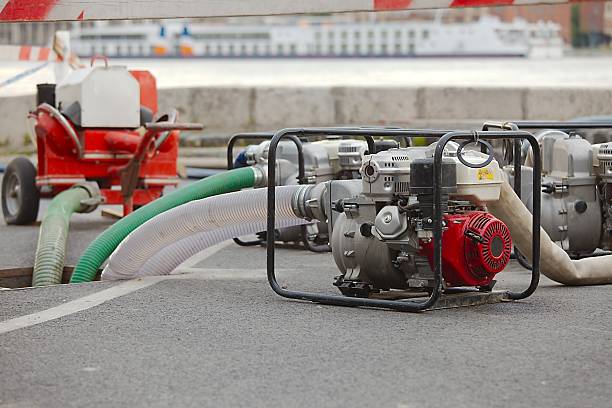
Flooding can quickly create an urgent need for water pumps and related equipment. Homes, businesses, construction sites, property managers and community organisations may need pumps transported to affected locations for water removal and flood-response activities.
Getting the right equipment to the location quickly requires careful logistics, especially when roads are difficult to access or normal delivery routes have been disrupted.
When Water Pump Delivery Is Needed
Water pumps may be required for:
- Flooded compounds and properties
- Construction sites
- Commercial buildings
- Warehouses and workshops
- Estates and residential developments
- Drainage and water-management projects
- Emergency response operations
- Temporary flood mitigation work
The pump required will depend on the volume of water, location and intended use. Equipment selection should be handled by a qualified professional or supplier rather than based solely on delivery requirements.
Moving Pumps to Flood-Affected Locations
Water pumps and their accessories can be heavy and bulky. A suitable vehicle may be needed to move the pump, hoses, cables, fuel equipment and other accessories from a supplier or warehouse to the required location.
Before arranging transportation, provide the pump’s approximate dimensions and weight, pickup location, destination and any special handling requirements.
Deliveries When Roads Are Flooded
Flooding can make ordinary delivery routes unsafe or inaccessible. A route that was usable earlier in the day may become difficult to access after heavy rainfall.
Logistics planning should therefore consider current road conditions and whether the destination can be safely reached by the selected vehicle. If an area is inaccessible, the delivery may need to be redirected to a safe collection point.
Do not ask drivers to enter dangerous floodwater simply to complete a delivery. Nigerian emergency authorities continue to advise residents to avoid driving or walking through floodwaters and to move to safer areas when flooding threatens lives and property. (NEMA Nigeria)
Supporting Flood Response Logistics
Water pumps are only one part of flood-response logistics. Depending on the situation, organisations may also need to move generators, hoses, protective equipment, water containers, tools and other supplies.
For larger operations, deliveries can be scheduled and coordinated according to the response team’s requirements and the accessibility of affected areas.
Travo.ng can help coordinate eligible logistics, vehicle hire and urgent deliveries when flooding disrupts normal transportation.
What to Provide When Booking
For a smoother delivery arrangement, provide:
- Pump type and approximate size
- Quantity of pumps
- Pickup or supplier location
- Intended destination
- Cargo weight and dimensions
- Preferred delivery time
- Current access conditions
- Contact details for the receiving person
This information helps determine the appropriate transportation arrangement and whether the destination can be safely reached.
Why Choose Travo.ng?
Travo.ng provides logistics coordination for eligible business, construction and emergency-support movements. This can include arranging suitable transportation for equipment and supplies that need to reach flood-affected or difficult-to-access locations.
For urgent deliveries, early coordination is particularly important. Travo.ng can help organise the movement based on the cargo, pickup point, destination and available transport options.
However, Travo.ng is a logistics provider, not a replacement for emergency responders. Where flooding presents an immediate threat to life, residents should follow official emergency instructions and contact the appropriate emergency authorities.
Prepare Before Flooding Gets Worse
Businesses and property managers in flood-prone locations can reduce delays by identifying equipment suppliers, transport options and safe delivery points before heavy rainfall creates an emergency.
When a water pump or other flood-response equipment is needed, safe access should always come before speed. Proper planning allows essential equipment to be moved without putting drivers, workers or residents at unnecessary risk.
