


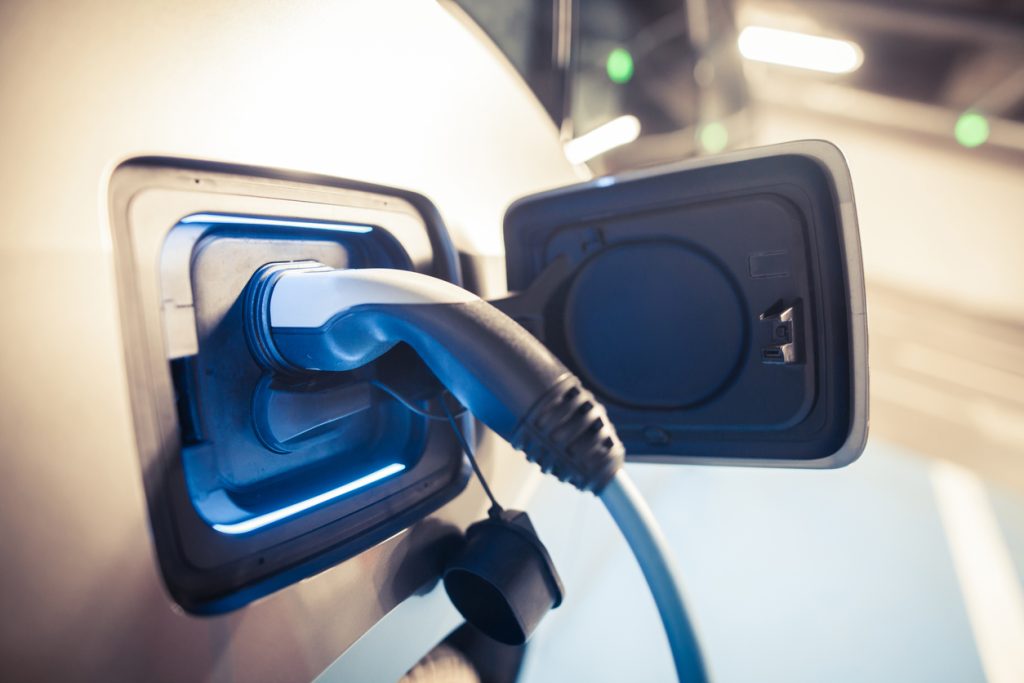
A Warehouse EV charging station is becoming a practical consideration for Nigerian businesses moving delivery vans, staff vehicles, forklifts, service vehicles, or other commercial fleets toward electric mobility.
For a warehouse operator, however, installing chargers is not simply about finding an empty corner of the yard and connecting equipment. The charging system has to fit the warehouse’s power supply, vehicle schedules, loading activity, parking arrangement, and future fleet plans.
Nigeria’s EV market is still developing, but commercial fleets are already one of the areas seeing early adoption. Depot-based charging is particularly relevant because vehicles can recharge while parked between shifts rather than depending entirely on public charging stations.
Start With How Long Your Vehicles Actually Stay at the Warehouse
The first question should not be which charger to buy. It should be how the vehicles operate.
Consider a Lagos warehouse running eight electric delivery vans. If the vans leave around 7:00 a.m., complete deliveries across Ikeja, Yaba, Lekki and Victoria Island, and return between 5:00 p.m. and 8:00 p.m., there may be enough overnight downtime for scheduled charging.
A business running vehicles almost continuously may need faster charging and more available charging points.
Before installation, document:
- Number and type of EVs
- Battery capacity
- Daily kilometres travelled
- Typical arrival and departure times
- Number of vehicles charging simultaneously
- Expected fleet expansion over the next two to five years
This prevents businesses from paying for unnecessarily powerful chargers or installing a system that quickly becomes too small.
Check the Warehouse Power Supply Before Buying Chargers
Power availability is one of the biggest operational considerations.
Several EVs charging together can create a substantial additional electrical load. Warehouses already running cold rooms, conveyors, industrial equipment, lighting and office systems need to know whether their existing electrical infrastructure can accommodate charging.
An electrical assessment should consider the available three-phase supply, transformer capacity, distribution boards, cabling and peak warehouse consumption.
Where grid reliability is a concern, businesses may also consider solar generation, battery storage or another properly engineered backup arrangement. Solar and battery systems are already being incorporated into some Nigerian charging projects to improve reliability.
Put Chargers Where They Will Not Disrupt Loading Operations
Warehouse yards are busy environments.
Trucks reverse into loading bays, forklifts move pallets, dispatch riders enter and leave, and delivery vehicles queue for loading. EV charging bays should therefore be positioned away from areas where cables, parked vehicles or charging equipment could obstruct normal operations.
Good planning includes:
- Clearly marked charging spaces
- Safe cable routing
- Protection from vehicle impact
- Convenient access for fleet vehicles
- Adequate drainage and weather protection
- Enough manoeuvring space around charging bays
A badly positioned charger can create daily operational problems even if the electrical installation itself works perfectly.
Match Charging Speed to the Delivery Schedule
Not every warehouse requires expensive ultra-fast charging.
Vehicles parked for eight or ten hours overnight may be able to use moderate-speed charging. Faster DC charging becomes more useful where vehicles need short turnaround times or operate multiple shifts.
For example, a delivery van returning to a warehouse at noon and leaving again at 2:00 p.m. has completely different charging requirements from one parked overnight until the following morning.
Smart charging can also stagger vehicle charging instead of allowing every vehicle to draw maximum power simultaneously.
Plan for Transport and Logistics Around the Installation
Setting up a Warehouse EV charging station may involve transporting chargers, electrical equipment, mounting structures, cables and supporting materials to the warehouse.
Travo.ng can support businesses with cargo movement, delivery coordination, vehicle hire and logistics planning connected to such projects.
For installations outside Lagos, transport planning becomes particularly important. Moving equipment to warehouses in Abuja, Ibadan, Benin City, Port Harcourt or other industrial locations may require coordinated interstate cargo delivery rather than ordinary parcel transportation.
Build the Charging Area for the Fleet You Expect Tomorrow
Installing only enough charging points for today’s vehicles can become expensive later.
If a warehouse currently operates four EVs but intends to increase the fleet to 15, the electrical and physical layout should allow expansion without rebuilding the entire charging area.
That means considering spare electrical capacity, additional cable routes and future parking bays from the beginning.
A practical Warehouse EV charging station should ultimately support warehouse operations rather than complicate them. With proper assessment, charging schedules, electrical planning and logistics coordination, businesses can create a depot charging system that keeps vehicles available when deliveries need to move.
c
