


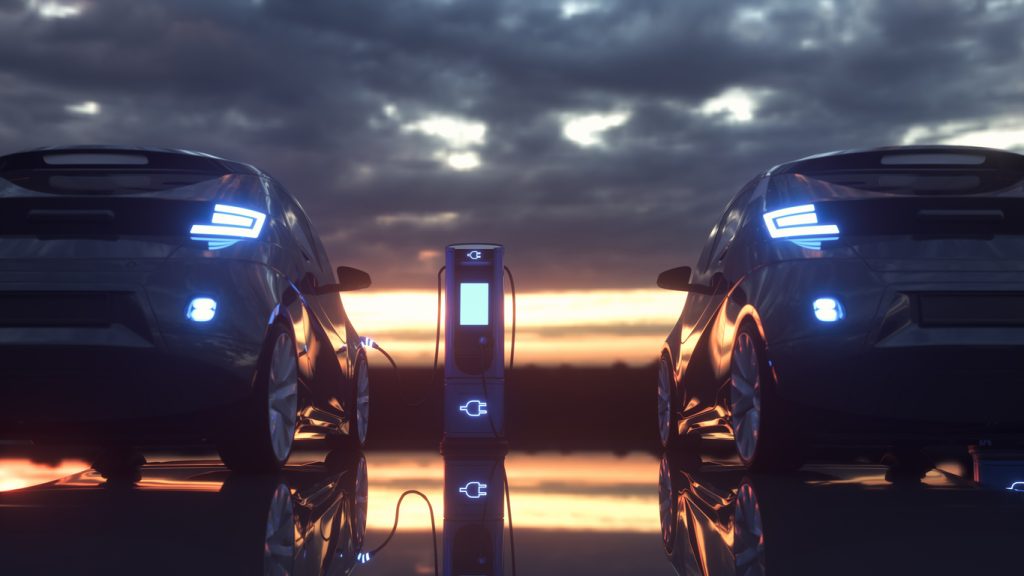
Owning an electric vehicle in Nigeria becomes much easier when you can charge where you live or work. Instead of depending entirely on public charging points, Universal EV charger installation gives EV owners a practical way to create reliable charging access at home, an office, hotel, residential estate, or commercial property.
However, installing an EV charger is more involved than simply connecting equipment to an available socket. The property’s electrical capacity, charger specification, cable route, parking arrangement, protection equipment, and vehicle compatibility all need to be considered.
Travo.ng can help customers coordinate EV charging solutions alongside its broader transport and mobility support services.
Check Your Electrical Supply Before Buying a Charger
One of the most important steps happens before installation.
An electrician should assess the property’s electrical system and determine whether it can safely handle the additional charging load. This is particularly important in Nigerian properties where generators, solar systems, inverters, batteries, and grid electricity may all form part of the power setup.
The assessment should consider:
- Available electrical capacity
- Earthing and protective devices
- Location of the distribution board
- Distance between the power source and parking space
- Existing solar or inverter systems
- Appropriate cable size and routing
- Where the charger can be mounted safely
A charger that looks suitable online may require electrical upgrades before it can be used properly.
What Universal EV Charger Installation Actually Involves
A universal charging setup is useful when a property needs to accommodate different compatible electric vehicles rather than being designed around only one particular car.
For example, an office car park, hotel, apartment complex, or commercial fleet may receive several EV models. In that situation, charger compatibility and connector standards become important.
A typical installation process may involve inspecting the site, selecting the charging location, confirming electrical requirements, installing the dedicated circuit and protection equipment, mounting the charging unit, and testing the completed system.
The charger should also be positioned where vehicles can park conveniently without charging cables becoming a trip hazard or obstructing other vehicles.
Home EV Charging Needs a Different Setup From Commercial Charging
For a homeowner in Lekki, Ikeja, Abuja, or Port Harcourt, the priority may simply be convenient overnight charging. The vehicle arrives in the evening, remains parked for several hours and is ready for the next day’s journeys.
Commercial properties face different requirements.
A hotel may want charging available for guests. An office could need several employees to share chargers, while a logistics business transitioning part of its fleet to electric vehicles may need multiple charging points and a carefully planned charging schedule.
Understanding the actual usage pattern helps avoid installing equipment that is unnecessarily expensive or too limited for future demand.
Think About Generator, Solar and Inverter Capacity
Nigeria’s electricity situation makes power planning particularly important.
If a property frequently switches between grid supply, generator power and solar or battery storage, the installer needs to understand how EV charging fits into that arrangement.
Charging a vehicle places a sustained electrical load on the system. A setup that comfortably powers lights, televisions and air conditioners may not automatically have sufficient spare capacity for prolonged EV charging.
For solar-powered properties, factors such as inverter capacity, battery storage and daytime solar generation should be reviewed before adding the charger.
How Long Will an EV Take to Charge?
Charging time depends on the vehicle’s battery size, its onboard charging capability, the charger output and available electrical supply.
This is why selecting the highest-rated charger is not always the answer. If the vehicle cannot accept that charging rate or the building cannot safely supply it, the additional capacity provides little practical advantage.
Home users should think about how many kilometres they normally drive each day and how long the vehicle remains parked overnight. Businesses should calculate daily vehicle utilisation and the time available between trips.
Planning Your EV Charger Setup With Travo.ng
Before arranging Universal EV charger installation, identify the vehicle or vehicles that will use the charger, your normal parking position and the property’s available power sources.
Travo.ng can help customers coordinate practical EV charging requirements as part of modern mobility and transport support. This can be particularly useful for homes, corporate premises, hotels, residential developments and businesses preparing for electric vehicles.
Good installation planning should solve today’s charging problem without creating another one later. Allowing for additional vehicles, future charging points and changes to the property’s energy system can make the investment much more useful over the long term.
