


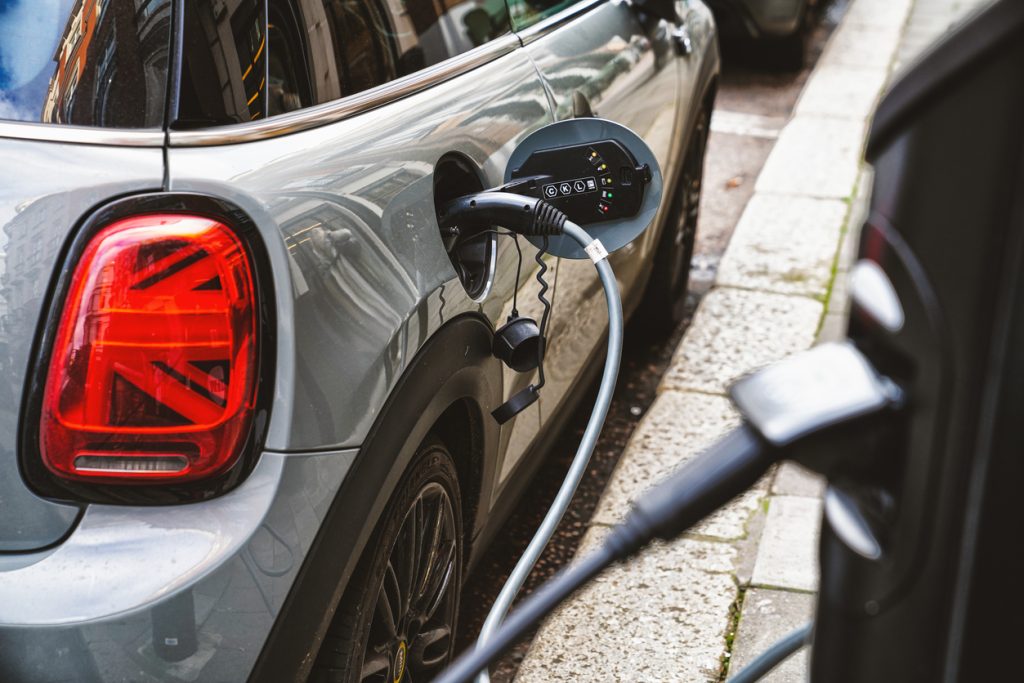
Electric vehicles are becoming more visible on Nigerian roads, but owning an EV is only convenient when you have a dependable place to charge it. For many drivers, businesses and property managers, arranging Type 2 EV charger installation is the practical next step after buying an electric vehicle.
A properly planned charging point gives you more control than depending entirely on public charging stations. You can charge overnight at home, provide workplace charging for employees or install dedicated EV charging infrastructure for customers and fleet vehicles.
Travo.ng can help coordinate EV charger installation and related transport and logistics support, making it easier to plan the movement, delivery and setup of charging equipment.
What to Check Before Installing a Type 2 EV Charger
Buying a charger should not be the first decision. The electrical supply at the property needs to be assessed before installation begins.
An installer will typically consider:
- Available electrical capacity
- Distance from the distribution board to the parking area
- Suitable mounting position
- Cable routing
- Earthing and electrical protection
- Expected charging load
- Whether the charger will serve one vehicle or several
For a Lagos home with parking directly beside the building, installation may be relatively straightforward. A charger being installed in the basement of a commercial property in Victoria Island or Lekki may require longer cabling, additional electrical protection and more installation work.
These differences affect both cost and installation time.
Choosing the Right Charging Capacity for Your Vehicle
Type 2 charging equipment comes in different power ratings. The correct option depends on the vehicle, available electricity supply and how quickly the vehicle needs to recharge.
A homeowner who normally parks from 7pm until the following morning may not need the same charging capacity as a company operating electric vehicles throughout the day.
Before installation, confirm your vehicle’s onboard AC charging capability. Installing a higher-powered charger does not automatically mean the vehicle will accept electricity at that full rate.
This is one of the easiest ways to avoid spending money on charging equipment that provides little practical advantage.
Home Type 2 EV Charger Installation Needs Proper Planning
Home charging is particularly useful in cities where public EV charging infrastructure is still developing.
For someone living in Lekki, Ikeja, Abuja or Port Harcourt, being able to plug in after returning home removes the need to plan regular trips around charging locations.
However, the charger should be positioned where the vehicle can park comfortably without cables crossing driveways or pedestrian areas.
Apartments and gated estates may require additional approval from facility managers because charging equipment could interact with shared electrical infrastructure.
Where installation involves moving charging units, cables or electrical equipment between suppliers and the property, Travo.ng can also help coordinate delivery and transport arrangements.
Installing EV Chargers at Offices and Commercial Properties
Commercial installations require more planning than most residential jobs.
A company installing chargers for employees, visitors or an electric fleet should first consider how the charging points will actually be used during working hours.
For example, a Lagos office with ten EV-driving employees may not necessarily need ten chargers immediately. Usage schedules and vehicle parking times can help determine how many charging points are realistically required.
Commercial sites may also need:
- Dedicated electrical circuits
- Load management
- Clearly marked EV parking spaces
- Protective barriers around charging equipment
- Access control
- Charging usage monitoring
Planning these requirements before equipment arrives can prevent expensive changes later.
What Can Increase EV Charger Installation Costs
There is no sensible fixed price for every installation because properties differ considerably.
The final cost of Type 2 EV charger installation can increase when the charger is far from the main electrical board, electrical upgrades are required, cables must pass through difficult areas or additional protective equipment is necessary.
The charger itself is also only part of the budget. Installation labour, cabling, electrical protection, mounting hardware and possible distribution-board upgrades should be considered.
For commercial projects, equipment transportation and multi-site installation logistics may also become significant.
Arrange Your Type 2 EV Charger Installation With Travo.ng
Setting up an EV charging point should be treated as an infrastructure project rather than simply mounting equipment on a wall.
Travo.ng helps customers coordinate Type 2 EV charger installation, equipment movement and related logistics for residential, workplace and commercial charging projects in Nigeria.
Whether you are preparing a home charging point, adding chargers to an office car park or supporting an expanding electric vehicle fleet, proper planning helps ensure the charging setup is practical for everyday use.
Before booking, have your vehicle model, property location, preferred parking position and basic information about the property’s electricity supply available. That makes it easier to assess the job and arrange the right installation support.
