


Owning an electric vehicle in Nigeria comes with a practical question that matters almost as much as the car itself: where will you charge it reliably?
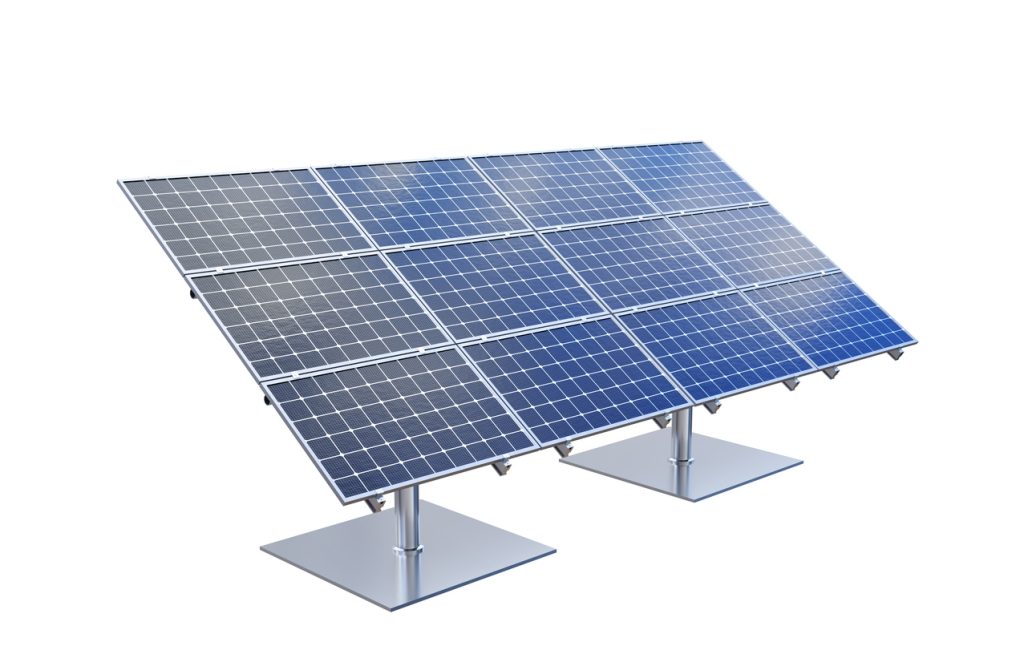
For homes and businesses dealing with unstable grid supply, a solar powered EV charger can provide a more dependable charging setup. Instead of relying completely on public electricity or running a generator whenever an EV needs charging, solar panels can generate electricity during the day, with batteries added where stored power is required.
The important part is getting the system sized properly. A charger, a few panels and an inverter do not automatically make a workable EV charging station. The vehicle’s battery capacity, daily driving distance, available roof or ground space and expected charging time all affect what needs to be installed.
How a Solar Powered EV Charger Works in a Nigerian Home
A typical setup combines solar panels, an inverter, protection equipment and an EV charging unit. Battery storage may also be included, particularly where charging will happen at night.
Consider a driver commuting between Lekki and Victoria Island five days a week. The vehicle may return home with enough battery remaining that it only needs a partial recharge each evening. That person’s solar requirement could be very different from someone driving regularly between Lagos, Ibadan and other interstate destinations.
This is why installers should first understand how the vehicle is actually used.
Before installation, confirm:
- The EV’s battery capacity and supported charging rate
- Average kilometres driven each day
- Whether charging will mainly happen during daylight or overnight
- Existing inverter and solar equipment on the property
- Available electrical capacity and distribution board condition
- Safe parking distance from the charging equipment
These checks reduce the risk of installing an expensive system that still takes too long to recharge the vehicle.
Charging During the Day Can Reduce Battery Storage Needs
Solar electricity is easiest to use while the panels are actively producing power.
For an office in Ikeja, industrial facility in Lagos or business premises where vehicles remain parked for several hours during the day, direct daytime charging can make good operational sense. Solar generation can support vehicle charging while reducing dependence on large battery banks.
Residential users often have a different challenge. The car may leave home early and return after sunset. In that situation, solar energy generated during the day needs to be stored in batteries or combined with another power source.
A proper energy assessment should therefore come before equipment purchase.
Installation Is More Than Mounting an EV Charger on a Wall
One mistake EV owners can make is focusing only on the charger.
The electrical system behind it is equally important. Cable sizing, circuit protection, earthing, surge protection and suitable inverter capacity have to match the charging load.
The location also matters. A charger should be positioned where the vehicle can park conveniently without creating loose cables across driveways or pedestrian areas.
For estates, offices, hotels and commercial properties, the installer may also need to consider whether several vehicles could eventually need charging. Designing some expansion capacity from the beginning can be more practical than rebuilding the electrical installation later.
Moving Solar and Charging Equipment Requires Proper Coordination
Solar EV installations often involve more logistics than customers expect. Panels, mounting structures, batteries, inverters, cables and charging equipment may come from different suppliers.
Getting those items to a property in Lekki, Ikoyi, Ikeja, Abuja, Port Harcourt or another location requires coordinated delivery, especially when batteries or fragile solar panels are involved.
Travo.ng can support the logistics side through equipment delivery, cargo movement, vehicle coordination and business logistics support. For larger commercial installations, scheduled transport helps installers receive the right equipment in the correct sequence instead of having valuable components sitting unsecured at a site.
What to Check Before Paying for a Solar EV Charging System
Do not choose a system based only on the number of solar panels advertised.
Ask the provider how long your specific vehicle should take to gain a useful charge under realistic conditions. Also request clear specifications for the inverter, panels, battery storage and charger.
Find out what happens during several cloudy days and whether the system can safely switch to grid electricity when necessary.
For businesses planning charging points for company cars or an electric fleet, calculate how many vehicles must be ready at the same time. One charger may work for a household but create operational delays for multiple vehicles.
A solar powered EV charger can make electric vehicle ownership considerably more practical in Nigeria when the energy system is designed around actual driving patterns.
With proper installation and coordinated movement of equipment, homeowners and businesses can build a charging setup that reduces reliance on generators while giving EV drivers more control over when and where their vehicles are charged. Travo.ng can help coordinate the transport and delivery requirements involved in getting the necessary equipment safely to the installation location.
