


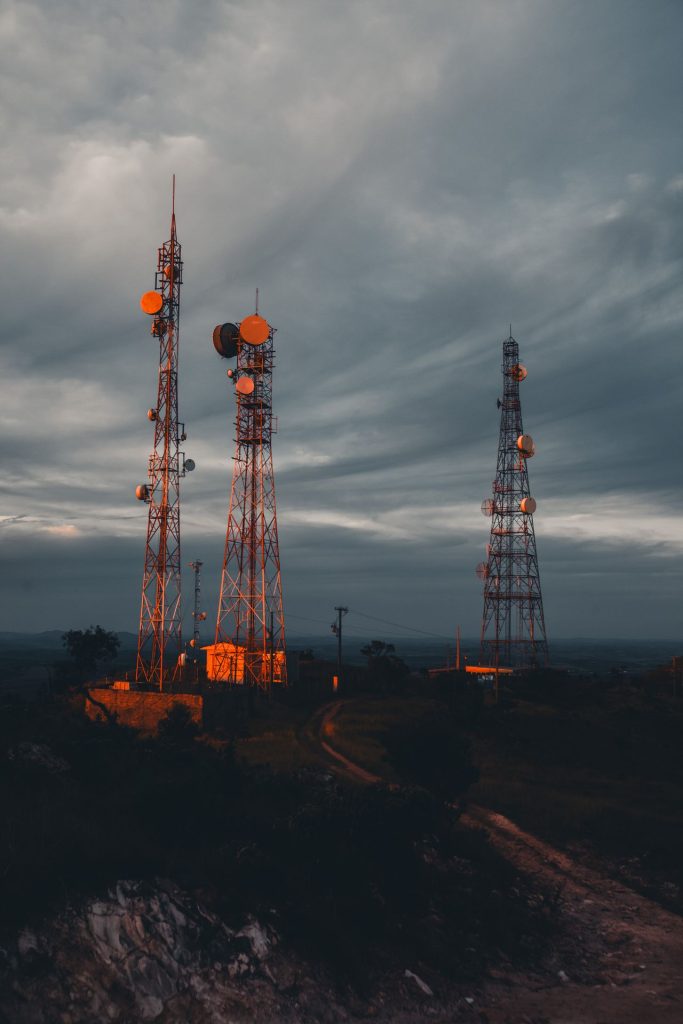
Keeping a telecom tower running in Lagos is not simply a matter of connecting the site to the national grid. Base stations need dependable power around the clock, yet grid interruptions, diesel costs, generator maintenance and fuel logistics can make continuous operation expensive.
This is why solar power for telecom towers Lagos is becoming a practical option for telecom operators, tower companies and infrastructure managers looking to reduce their dependence on generators.
Across Nigeria, telecom companies are already increasing the use of solar, batteries and hybrid power systems as diesel prices and unreliable grid supply put pressure on operating costs. Hybrid arrangements typically combine photovoltaic panels, battery storage and backup generators so that diesel is used only when necessary.
For telecom businesses managing sites around Lagos, Travo.ng can help coordinate the logistics and operational support required to move solar equipment, batteries and related infrastructure to installation locations.
Why Lagos Telecom Sites Are Moving Beyond Diesel
A telecom tower cannot simply shut down whenever electricity goes off. Radio equipment, transmission systems, cooling equipment and monitoring devices must remain powered if subscribers are expected to make calls and access data normally.
Traditionally, many sites solve this problem with diesel generators.
The challenge is the ongoing expense.
Fuel purchases are only part of the cost. Operators must also consider:
- Generator servicing and replacement parts
- Diesel transportation
- Fuel theft and security
- Generator downtime
- Battery replacement
- Emergency maintenance visits
- Noise around residential locations
Recent Nigerian telecom industry reporting shows that operators are increasingly exploring renewable and hybrid energy partly because of rising diesel costs.
Solar changes the operating model by allowing daylight generation to supply the site and recharge batteries while generators remain available mainly as backup.
What a Solar Telecom Tower Setup Actually Needs
Installing panels alone does not automatically create a reliable telecom power system.
The site’s electricity demand has to be properly assessed first. Engineers need to understand the continuous load, equipment configuration, available installation space and how long battery storage must carry the tower after sunset.
A typical arrangement may include solar photovoltaic panels, lithium or other suitable battery storage, charge controllers, monitoring equipment, power conversion systems and an existing generator retained for emergencies.
Solar-battery-diesel hybrid systems have been studied specifically for Nigerian base stations and found technically viable across different parts of the country.
For a busy Lagos site, proper sizing is particularly important. Under-sizing the batteries could leave the generator running frequently at night, while oversized equipment can increase project cost unnecessarily.
Getting Solar Equipment to Telecom Sites in Lagos
Installation planning often becomes more complicated when multiple sites are involved.
Imagine deploying panels and batteries to towers in Ikeja, Lekki, Ajah, Surulere and the Lagos mainland during the same project phase. Heavy batteries, mounting structures, electrical components and tools cannot be treated like ordinary parcels.
Delivery timing must match the installation crew’s schedule.
Traffic also matters. Moving equipment through the Lekki-Epe corridor at peak periods can add hours to an otherwise straightforward delivery. Sensitive batteries and electrical equipment also need suitable vehicles and careful handling.
Travo.ng can support these projects through transport coordination, cargo logistics, vehicle hire and business logistics support, helping companies arrange movement from warehouses or suppliers to individual tower locations.
Solar Power Can Reduce Generator Runtime Without Removing Backup
One common misconception is that moving to solar means immediately removing every generator.
For many Lagos telecom sites, a hybrid system is more practical.
During good solar conditions, panels supply power and charge the batteries. Stored energy covers periods without sunlight. The generator can then start when battery reserves fall below predetermined levels or when unusual demand occurs.
Nigeria already has thousands of telecom sites using hybrid approaches combining diesel with solar and/or battery systems, according to an ITU report on the country’s telecommunications sector.
This gradual approach allows operators to reduce fuel consumption while retaining another power source for emergencies.
Planning Solar Power for Multiple Lagos Telecom Towers
A multi-site rollout should begin with individual site assessments rather than purchasing identical systems for every tower.
Teams should check daily energy demand, roof or ground space, shading, battery requirements, security arrangements and existing generator capacity.
Once equipment is ready for deployment, logistics should be planned just as carefully as the electrical installation.
Travo.ng can coordinate the movement of solar panels, batteries, mounting equipment and installation materials to telecom sites across Lagos. For larger deployment programmes, transport schedules can also be organised site by site so equipment arrives when engineers are ready to install it.
For telecom operators trying to control fuel expenses while maintaining dependable network infrastructure, solar power for telecom towers Lagos offers a realistic path toward lower diesel dependence. Combining properly designed solar systems with reliable equipment transportation and site logistics can make the transition far easier to manage.
