


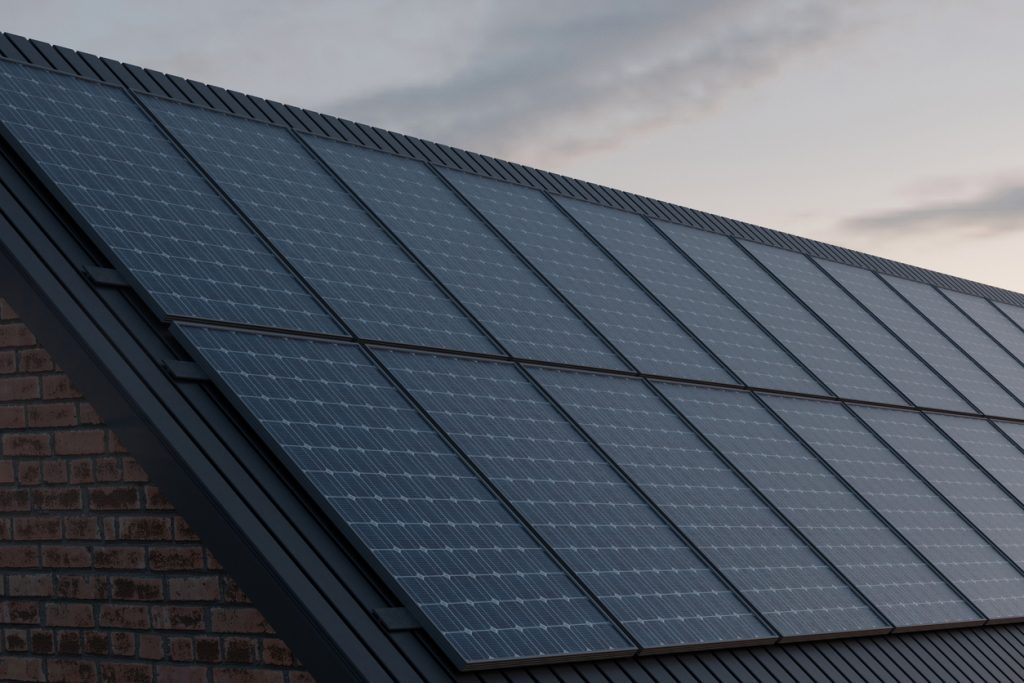
If your solar panel is not producing power in Abuja, the problem is not always the panel itself. A system can stop generating enough electricity because of dust, shading, damaged cables, an inverter fault, poor installation, or even a battery issue.
This can be frustrating, especially when you installed solar to reduce dependence on PHCN and generators. Before replacing the entire system, it is worth checking where the problem is coming from.
Start by checking whether the panels are receiving enough sunlight
Solar panels need direct sunlight to generate electricity efficiently. In Abuja, intense sunshine is generally favourable for solar power, but the panels can still be affected by shading.
Check whether trees, nearby buildings, water tanks, satellite dishes or other structures are casting shadows over the panels, particularly around the hours when you normally expect the system to generate the most power.
Even partial shading can reduce the output of a solar array.
Also look at the panels themselves. Abuja’s dry season can leave considerable dust and fine particles on outdoor equipment. A thick layer of dust can reduce the amount of sunlight reaching the cells.
Dirty panels may be reducing your solar output
If your solar panel has not been cleaned for a long time, dirt may be contributing to the low output.
You do not necessarily need to clean the panels every few days. However, regular inspection is useful, particularly during dusty periods.
When cleaning:
- Follow the manufacturer’s instructions.
- Avoid abrasive materials that can scratch the surface.
- Do not climb onto the roof without proper safety equipment.
- Consider professional cleaning if the panels are difficult or dangerous to access.
If the panels look clean but the system is still producing little or no electricity, the issue may be elsewhere.
Check the inverter before assuming the panels are faulty
The inverter is one of the most important parts of a solar installation because it converts the electricity generated by the panels into usable power for your home or business.
If your inverter is displaying an error code, warning light or unusual reading, check the manufacturer’s instructions for what the message means.
A system may have perfectly functioning solar panels but still fail to supply electricity because of an inverter problem.
Do not repeatedly switch electrical components on and off if you are unsure what they do. Solar systems can contain high-voltage DC electricity, so electrical troubleshooting should be handled carefully.
Damaged cables and loose connections can also cause problems
Solar panels may be generating electricity, but that power still has to travel through cables, connectors, charge controllers and other components before reaching your battery or inverter.
A loose connection, damaged cable, burnt connector or faulty isolator can interrupt the flow of electricity.
This is particularly important for systems that have been installed for several years or exposed to harsh outdoor conditions.
If you notice melted connectors, exposed wires, a burning smell or visibly damaged electrical components, switch off the system if it is safe to do so and contact a qualified solar technician.
Your battery may be the problem, not the solar panel
Sometimes people say their solar panels are not producing power when the actual problem is that their batteries are no longer holding a charge properly.
For example, you may notice that:
- The system charges during the day but goes off quickly at night.
- The battery reaches full charge unusually quickly.
- Your appliances cannot run for as long as they used to.
- The inverter frequently switches to another power source.
Battery age, incorrect settings, excessive loads and poor charging conditions can all affect performance.
If the panels are generating electricity but your home is still experiencing frequent power interruptions, have the entire solar system checked rather than replacing the panels immediately.
Abuja weather can affect solar generation too
Solar systems do not produce exactly the same amount of electricity every day.
Cloudy weather, heavy rainfall and atmospheric conditions can reduce the amount of sunlight reaching the panels. This is normal.
However, there is an important difference between temporarily reduced production and a system that consistently produces almost nothing.
If your system has been producing normally and suddenly stops generating power even on bright, sunny days, investigate the system rather than assuming it is simply the weather.
Check whether you are using more electricity than the system can supply
Another common situation is that the solar system is working normally, but the household or business is using more electricity than the system was designed to provide.
A system installed to power lights, fans, televisions, routers and a few other appliances may struggle when additional high-power appliances such as air conditioners, electric cookers, water heaters or pumping machines are added.
Before upgrading your solar panels, look at your actual electricity consumption and determine whether your inverter, battery bank and solar array are appropriately sized.
When should you call a solar technician?
You should consider getting professional assistance if:
- The inverter shows a persistent fault.
- Solar production suddenly drops without an obvious reason.
- The battery is not charging properly.
- Cables or connectors appear damaged.
- The system repeatedly shuts down.
- You suspect an installation or wiring problem.
- You need to increase the system’s capacity.
A proper inspection should look at the panels, inverter, batteries, charge controller, wiring and overall system configuration rather than focusing on only one component.
Getting solar and power-related support in Abuja
If you are dealing with a solar system that is no longer meeting your household or business needs, the first step is to identify whether the problem is with generation, storage, conversion or consumption.
For businesses, offices and properties that depend heavily on reliable power, getting the system assessed before making a major replacement can prevent unnecessary spending.
Travo.ng can also support customers with practical logistics and service coordination needs, including arranging transport and other services where required. If equipment, technicians or replacement components need to be moved between locations, reliable delivery and logistics can make the process easier.
The key is not to assume that a non-performing solar system automatically means the panels are bad. In many cases, a simple issue such as shading, dirt, a connection fault, an inverter error or an ageing battery may be responsible.
