


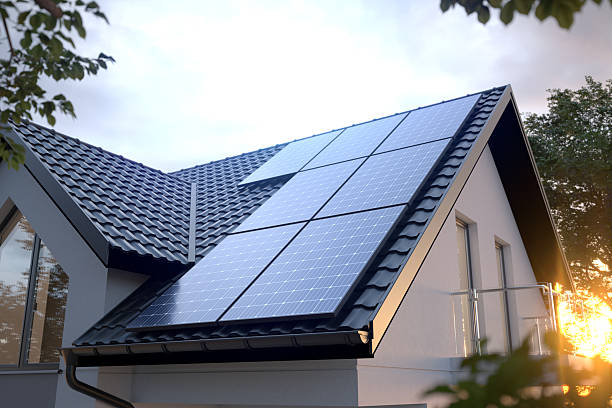
Running a supermarket in Lagos without reliable electricity is expensive. Refrigerators, freezers, POS terminals, security cameras, lighting, air conditioning and inventory systems all depend on steady power. Once electricity becomes unstable, the business starts spending heavily on diesel or risks losing products.
For supermarket owners looking for solar for supermarkets Lagos, the real question is not simply whether solar panels can generate electricity. The important issue is whether the system can support the actual equipment used throughout the day and during periods when grid power is unavailable.
A properly planned solar installation can reduce generator dependence while giving supermarket operators more predictable control over their daily energy costs.
Start With the Equipment Your Supermarket Actually Uses
Two supermarkets on the same street may require completely different solar systems.
A small neighbourhood shop in Surulere with two chest freezers, refrigerators, lights and POS terminals has very different requirements from a large supermarket in Lekki operating multiple cold rooms, display chillers, air conditioners and bakery equipment.
Before choosing a system, the electrical load should normally include:
- Refrigerators and display chillers
- Chest and upright freezers
- Cold-room equipment
- POS terminals and computers
- CCTV and security systems
- Interior and exterior lighting
- Fans and air conditioners
- Internet routers
- Office equipment
Heavy appliances that run continuously deserve particular attention. Underestimating refrigeration loads is one of the easiest ways to end up with a solar system that performs poorly.
Lagos Supermarkets Cannot Afford Long Power Interruptions
A residential property may tolerate several hours without electricity. A supermarket selling frozen chicken, seafood, ice cream, dairy products or drinks has much less flexibility.
If freezers remain off for too long, temperatures begin rising. That creates both product-quality problems and potential financial losses.
This is why commercial solar systems are often designed around essential loads first. Instead of trying to power every appliance simultaneously, the business can prioritise refrigeration, lighting, POS systems, security equipment and other critical operations.
The generator can then become backup power rather than the supermarket’s primary electricity source.
What Determines the Cost of Solar for Supermarkets in Lagos?
There is no single price that fits every retail business.
The cost depends heavily on the supermarket’s electricity demand, required backup duration and existing electrical setup. Battery storage can represent a significant part of the overall investment, particularly when the business wants to operate through the evening or overnight.
Other factors include:
- Number and capacity of solar panels
- Battery capacity
- Inverter size
- Roof or installation space
- Number of freezers and cold rooms
- Desired hours of backup
- Existing generator and grid arrangement
A smaller store may choose a system focused mainly on refrigeration, lighting and payment equipment. Larger supermarkets may require a phased commercial installation capable of supporting considerably heavier loads.
Moving Solar Equipment Around Lagos Needs Proper Coordination
Solar installation is not only an electrical project. Panels, batteries, mounting structures, inverters and accessories also have to reach the supermarket safely.
Large batteries and panels require careful handling, especially when equipment is being delivered through busy parts of Ikeja, Victoria Island, Lekki, Ajah or mainland Lagos.
Travo.ng can support businesses with transport coordination, delivery services and logistics arrangements when solar equipment needs to be moved from suppliers or warehouses to installation locations.
For supermarkets undergoing renovation or opening new branches, coordinated vehicle hire and cargo movement can also make installation planning easier.
Reduce Generator Dependence Without Disrupting Daily Sales
Switching to solar does not necessarily mean removing the generator immediately.
Many supermarkets use a hybrid approach combining solar panels, batteries, grid electricity and generator backup. During good daylight hours, solar handles part of the load and charges the batteries. Stored energy can then support important appliances when grid supply drops.
This arrangement reduces generator runtime while protecting essential supermarket operations.
For businesses considering solar for supermarkets Lagos, proper load assessment should come before purchasing equipment. Once energy needs, installation requirements and equipment movement are properly coordinated, solar becomes much more practical as a long-term retail power solution.
Travo.ng can help supermarkets coordinate the logistics, transport and delivery support required when setting up or expanding commercial solar installations across Lagos.
cc
