


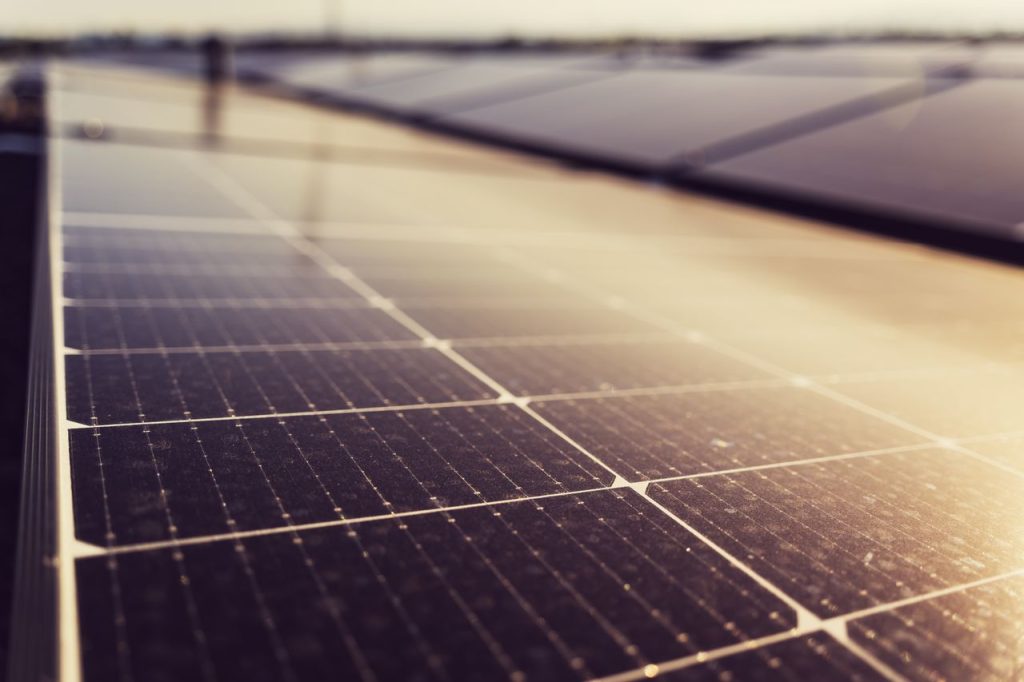
A security system is only useful when it has power. In Lagos, where outages and voltage fluctuations can interrupt electricity without warning, relying entirely on grid supply can leave CCTV cameras, electric fences, alarms, access-control systems and security lighting offline at the wrong moment.
Installing solar for security systems in Lagos gives homes, estates, offices, warehouses and commercial properties a more dependable source of electricity. Unlike a generator that needs somebody to start it, refill diesel or petrol, and monitor fuel levels, a properly sized solar system can switch to stored battery power automatically.
The important part is getting the system size right. Travo.ng helps customers coordinate practical solar solutions based on the equipment that actually needs to remain operational.
What Your Security Equipment Actually Needs to Stay Online
Many people make the mistake of buying a solar package before calculating their security load.
A small home may have four CCTV cameras, a DVR, router and a few security lights. A warehouse in Ikeja or Apapa could have considerably more equipment, including:
- 16 or more CCTV cameras
- NVR or DVR recording systems
- Internet routers
- Biometric access controls
- Electric gate equipment
- Alarm systems
- Perimeter lighting
These devices may not consume as much electricity as air conditioners, but they often need to operate 24 hours a day. Battery capacity therefore matters just as much as panel capacity.
For example, a system that powers CCTV comfortably during sunny daytime hours may still fail at 2 a.m. if the battery storage was undersized.
Lagos Power Conditions Should Affect the Solar Setup
Solar installations in Lagos must account for more than sunshine.
Properties around Lekki, Ajah, Victoria Island and parts of the mainland experience different building layouts, roof spaces and security requirements. Some businesses also need security equipment running throughout weekends when their premises are empty.
During the rainy season, several cloudy days can reduce solar generation. A sensible installation therefore includes enough battery reserve rather than designing around perfect weather every day.
Hybrid arrangements can also be useful. Solar can serve as the primary or backup power source while grid electricity charges the batteries whenever supply is available.
CCTV Power Failure Can Create Gaps You Discover Too Late
One common problem with conventional security installations is discovering after an incident that cameras stopped recording hours earlier.
Sometimes the DVR went off during a blackout. In other cases, the router lost power, meaning remote monitoring stopped even though some cameras remained active.
When planning solar for CCTV and security systems in Lagos, consider the entire security chain rather than cameras alone. Cameras, recorders, network equipment and other essential components should all remain powered together.
For businesses, this is particularly important when managers depend on remote viewing from another part of Lagos or outside Nigeria.
How Much Solar Capacity Should You Install?
There is no responsible single-size recommendation for every property.
Before choosing equipment, calculate:
- The wattage of each security device.
- How many hours it must operate daily.
- How many hours of battery backup you require.
- Whether other appliances will share the solar system.
- Available roof or installation space.
- Whether grid or generator charging will remain available.
A dedicated security solar system may cost less than powering an entire building because it concentrates available energy on essential equipment.
Businesses can also expand their setup later instead of immediately installing a large system that exceeds their current needs.
Getting a Practical Solar Security Setup Through Travo.ng
Travo.ng can help coordinate solar for security systems in Lagos for residential and commercial users who need dependable power for critical security equipment.
The process should begin with the actual load rather than simply choosing an inverter advertised by capacity. Property type, number of cameras, battery runtime, installation location and future expansion all influence the right configuration.
For offices, warehouses, estates and other business premises, solar can also form part of a broader operational power arrangement.
The goal is simple: when Lagos grid electricity disappears, your security should not disappear with it. With the correct panels, inverter and battery storage, CCTV cameras, alarms, access systems and essential security equipment can continue operating when they are needed most.
