


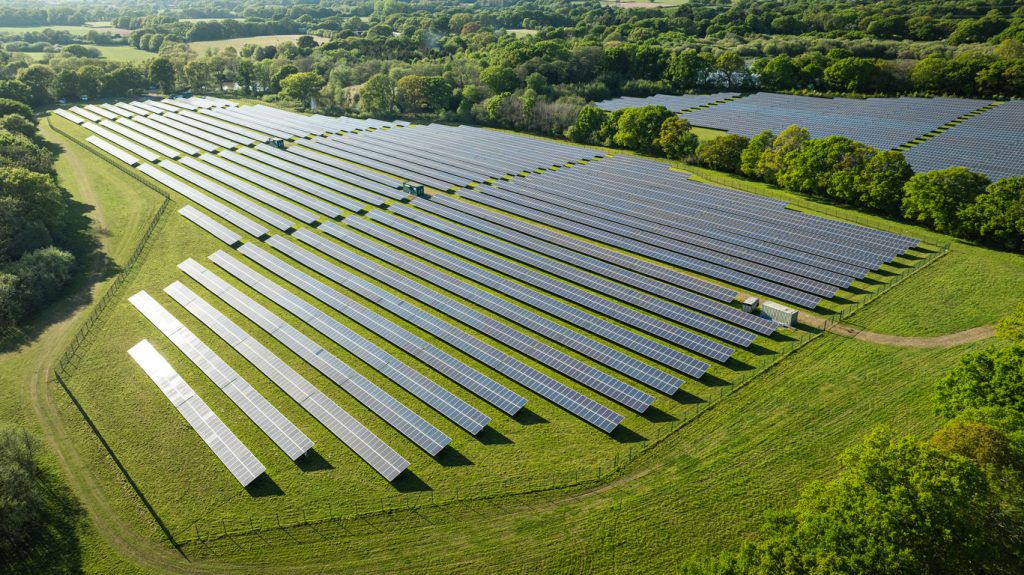
For many farmers operating around Lagos, electricity is not simply an office expense. It affects irrigation, water pumping, poultry ventilation, cold storage, lighting, processing equipment and even security around the farm. When power supply becomes unreliable and diesel costs keep affecting operating expenses, solar for farms in Lagos becomes a practical option worth considering.
The important part is choosing a solar setup that matches the actual work happening on the farm. A vegetable farm running irrigation pumps has different energy needs from a poultry operation or a farm storing harvested produce in cold rooms.
Travo.ng can support agricultural businesses with the logistics and transport required to move solar panels, batteries, inverters and related equipment to farms across Lagos.
Start With What Actually Uses Power on the Farm
One common mistake is buying solar equipment based only on the size of the farm. What matters more is the electrical load.
Before arranging a system, list the equipment that needs electricity. This could include:
- Borehole and irrigation pumps
- Poultry fans and lighting
- Feed processing machines
- Freezers and cold storage units
- Security lights and CCTV
- Small agricultural processing equipment
- Office computers and communication devices
A farm using solar mainly for lighting will require a much smaller setup than one expected to operate pumps and refrigeration throughout the day.
Getting this calculation right prevents farmers from paying for an oversized system or installing something that cannot handle everyday operations.
Irrigation Is Often the Biggest Power Question
For crop farms around places such as Epe, Ikorodu, Badagry and other agricultural areas on the outskirts of Lagos, pumping water can consume a significant amount of energy.
Solar-powered pumping works particularly well when irrigation happens during daylight hours because panels are producing electricity at the same time the pump is operating.
However, farmers should check the pump rating, pumping depth, daily operating hours and volume of water required before selecting equipment.
A small irrigation system and a commercial vegetable farm running several pumps should never be approached as the same project.
Getting Solar Equipment to Farms Outside Central Lagos
Purchasing equipment is only part of the job.
Panels are large and fragile. Batteries are heavy. Inverters, mounting materials and electrical components also need careful handling during transportation.
Delivering these items from suppliers in areas such as Ikeja, Oregun or the Lagos mainland to farms in Epe or Badagry requires proper vehicle planning.
Travo.ng can coordinate vehicle hire, cargo movement and delivery support for farm owners, installers and agricultural businesses moving solar equipment across Lagos.
For larger installations, transporting everything in one properly planned trip can also reduce repeated vehicle expenses and installation delays.
How Much Solar Should a Lagos Farm Install?
There is no sensible fixed price for solar for farms in Lagos because farm energy requirements vary considerably.
A farmer needing basic lighting, charging and security power may require only a modest system. A poultry farm running ventilation equipment or a commercial operation powering pumps and refrigeration will need significantly more capacity.
The final cost usually depends on:
- Number and wattage of solar panels
- Battery storage capacity
- Inverter size
- Pump or machinery requirements
- Mounting structure
- Cabling and installation
- Transportation to the farm
Farm owners should therefore request a load assessment rather than choosing equipment simply because another farm installed the same system.
Plan Installation Around Daily Farm Operations
Solar installation should not unnecessarily interrupt production.
For poultry farms, technicians may need to work around feeding schedules and ventilation requirements. Vegetable farms should consider irrigation periods. Businesses using cold storage should make sure produce remains protected while electrical connections are changed.
Equipment delivery should also be coordinated with the installation team so panels and batteries do not remain exposed on-site longer than necessary.
This is where proper transport coordination becomes important.
With Travo.ng, farms and agricultural businesses can arrange delivery vehicles, cargo logistics and transport support for moving solar equipment from suppliers to installation locations across Lagos.
A properly sized solar system, combined with well-planned equipment delivery and installation, can give Lagos farmers a more dependable way to operate essential farm equipment without relying entirely on generators or unpredictable grid electricity.
