


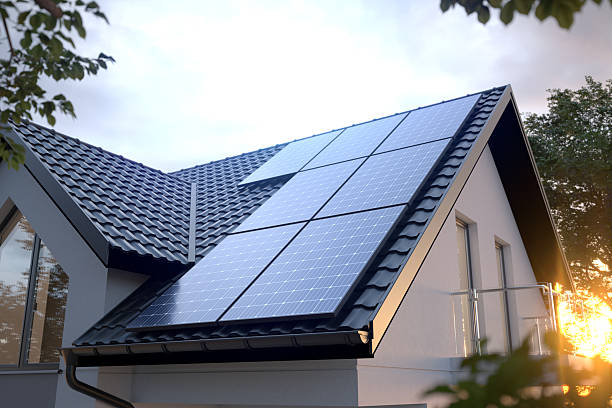
For many manufacturers in Lagos, electricity is not simply an overhead cost. It determines whether production lines run on schedule, workers remain productive, and customer orders leave the factory on time. This is why more businesses are considering solar for factories in Lagos as part of a practical energy strategy rather than relying entirely on generators and unstable grid supply.
Factories have very different energy requirements from homes or small offices. A facility running industrial motors, pumps, compressors, refrigeration equipment or processing machines cannot simply install a few panels and expect uninterrupted production. The system has to be designed around actual operating loads, production hours and equipment startup requirements.
Travo.ng can support businesses coordinating solar projects by helping with equipment movement, cargo logistics, transport planning and other operational requirements involved in getting industrial energy equipment to facilities across Lagos.
Start With the Factory’s Real Electricity Load
One of the biggest mistakes businesses make is requesting a solar quotation based only on the size of their building.
What matters more is what the factory actually powers.
A proper assessment should consider equipment such as:
- Production and packaging machinery
- Industrial motors and pumps
- Cold rooms and refrigeration units
- Air compressors
- Lighting and office equipment
- Ventilation and air-conditioning systems
- Water treatment equipment
Factories should also identify which machines operate continuously and which only run during particular production shifts.
A factory in Ikeja Industrial Estate may have completely different power requirements from a food-processing facility around Agbara or a warehouse operation in Lekki.
Solar Does Not Always Mean Removing the Generator
For many Lagos factories, the practical approach is a hybrid system.
Solar can handle significant daytime electricity demand while batteries, grid electricity and generators provide additional support when necessary.
This arrangement can reduce the number of hours generators operate each day.
For example, a factory that normally runs a diesel generator throughout an eight-hour daytime production shift may design its solar installation around daytime manufacturing loads. The generator then becomes backup power instead of the primary electricity source.
That reduces fuel consumption while avoiding the operational risk of depending on one power source.
Roof Space Can Limit an Industrial Solar Project
Factories usually consume considerably more electricity than residential buildings, which means they require substantial panel capacity.
Before purchasing equipment, businesses should check available installation space.
Large factory roofs are useful, but engineers still need to consider structural strength, roofing condition, shading and maintenance access.
Where roof space is inadequate, businesses may consider:
- Ground-mounted solar panels
- Carport installations
- Warehouse roofs
- Adjacent unused land
- A combination of roof and ground installations
Conducting this assessment before ordering panels prevents expensive equipment from arriving when there is insufficient suitable installation space.
Moving Solar Equipment Across Lagos Needs Proper Planning
Industrial solar installations involve more than electrical engineering.
Panels, batteries, mounting structures, inverters and related equipment must reach the factory safely.
A large project may require several truck movements from a Lagos warehouse, port facility or supplier location to the installation site.
Transport becomes particularly important when moving equipment through congested corridors such as Apapa, Oshodi, Ikeja, Lekki-Epe and the Lagos-Badagry axis.
Poor coordination can leave installers waiting for equipment or cause deliveries to arrive before secure storage is available.
Travo.ng can assist businesses with cargo logistics, truck coordination, delivery services and transport planning for solar equipment and other industrial materials.
Check Battery Requirements Carefully
Battery storage is often one of the most expensive parts of an industrial solar system.
Factories therefore need to decide what they actually expect batteries to do.
Some businesses want batteries to keep the entire facility running after sunset. Others only need backup for critical machinery, security systems, lighting, computers or refrigeration.
Separating essential loads from non-essential loads can prevent businesses from purchasing unnecessarily large storage systems.
Plan Solar Around Production Instead of Buying Equipment First
The best solar for factories in Lagos starts with operational planning.
Management should understand daily electricity consumption, peak loads, available installation space, production schedules and backup requirements before committing to equipment.
It is also important to plan how panels, batteries, inverters and mounting materials will be transported and received at the factory.
For manufacturers upgrading their energy infrastructure, Travo.ng can coordinate the logistics side of the project, including cargo transportation, equipment delivery and business logistics support across Lagos and other parts of Nigeria.
A well-planned solar project should do more than put panels on a factory roof. It should provide a practical energy system that supports production while reducing unnecessary dependence on generators.
