


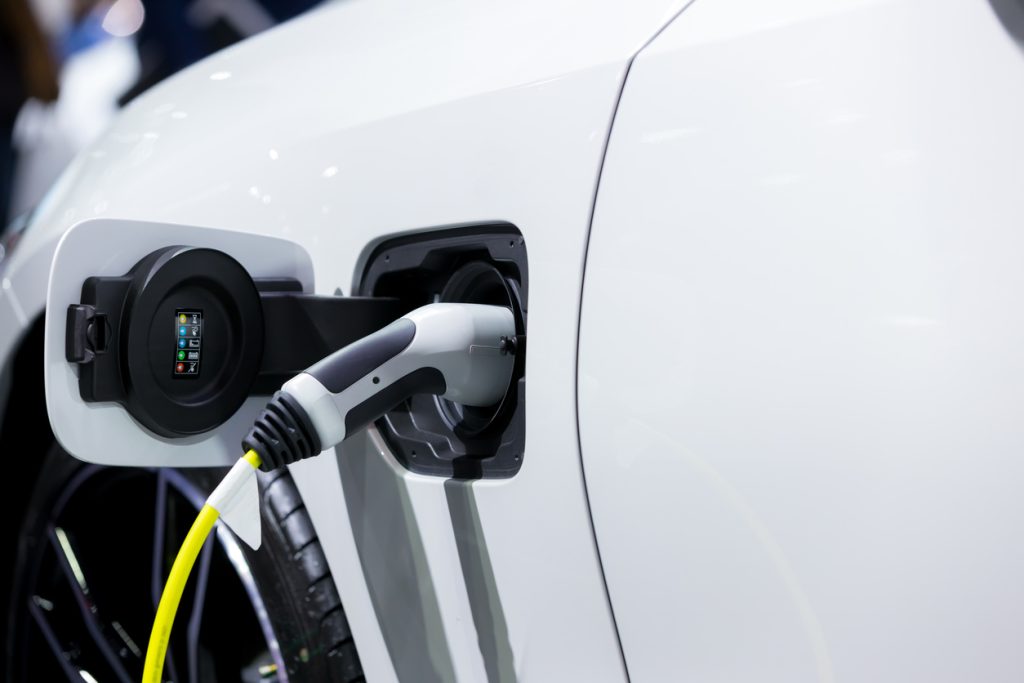
A shared EV charging station can solve one of the biggest practical problems facing electric vehicle owners in Nigeria: having dependable access to charging without every driver installing a separate charger.
This model works particularly well for residential estates, office complexes, hotels, shopping centres, transport hubs and businesses operating several electric vehicles. Instead of allocating expensive electrical infrastructure to individual parking spaces, property owners can create one managed charging area that serves multiple users.
For locations in Lagos, Abuja and other cities where EV adoption is gradually increasing, proper planning matters more than simply buying a charger.
Where Shared Charging Makes the Most Sense
Consider a residential estate in Lekki with 60 apartments. Today, perhaps only a few residents drive electric vehicles. Installing a charger beside every parking space immediately would be unnecessary and expensive.
A better starting point may be two or three shared charging bays positioned where vehicles can park safely for several hours.
The same arrangement can work for:
- Corporate offices with staff and company EVs
- Hotels offering charging to guests
- Shopping centres where customers spend several hours
- Serviced apartments and gated estates
- Logistics companies operating electric delivery vehicles
- Car hire and mobility businesses introducing EVs
The charging arrangement can then be expanded as vehicle numbers increase.
Check the Available Power Before Installing Chargers
One common mistake is choosing charging equipment before checking the property’s electrical capacity.
A site already running lifts, air conditioners, water pumps, security systems and other heavy equipment may not have enough spare capacity for several EVs charging simultaneously.
The assessment should consider transformer capacity, existing electricity consumption, backup power arrangements and the number of vehicles expected to charge.
Where grid supply is unreliable, solar generation and battery storage may also form part of the site’s broader energy plan.
Planning this properly helps prevent situations where charging several vehicles suddenly overloads the property’s electrical system.
How Users Should Share the Charging Bays
A shared EV charging station also needs an operating system, not just hardware.
Imagine an office in Victoria Island where six employees own EVs but only two charging bays are available. Without scheduling, drivers may leave fully charged vehicles occupying the spaces for the entire working day.
A simple booking arrangement can allocate charging periods.
For example, one vehicle could charge from 8:00 a.m. to noon while another uses the same bay during the afternoon. Overnight charging is particularly useful for company vehicles that remain at a depot after business hours.
Properties can also introduce payment based on energy consumed rather than charging every user the same amount.
Location Can Make or Break a Charging Point
Charging bays should be easy to reach without obstructing normal traffic.
In busy Lagos properties, poor positioning can create unnecessary congestion when drivers have to reverse through narrow parking areas or wait behind vehicles that are not charging.
Installers should also consider cable reach, drainage, lighting, security and protection from accidental vehicle impact.
For commercial locations, drivers should be able to identify the charging area quickly after entering the property.
Plan for More EVs Than You Have Today
EV infrastructure is easier to expand when growth is considered during the first installation.
An estate might begin with two chargers but prepare electrical conduits and distribution capacity for another four. A logistics depot could initially charge three electric vans while preparing for a larger fleet later.
This staged approach allows businesses and property managers to control initial spending without repeatedly rebuilding the same electrical infrastructure.
Coordinating EV Mobility Support With Travo.ng
Introducing electric vehicles affects more than where cars are charged. Businesses may also need vehicle movement, fleet coordination, driver arrangements and operational transport support.
Travo.ng helps individuals, estates and businesses coordinate practical mobility requirements alongside their wider transport operations.
Whether you are preparing charging access for residents, planning an electric delivery fleet or reorganising company vehicle operations, the objective should be simple: create a charging system that works with how people actually use the property.
A properly planned shared EV charging station gives several drivers dependable access to charging while avoiding unnecessary individual installations and making future EV expansion easier to manage.
