


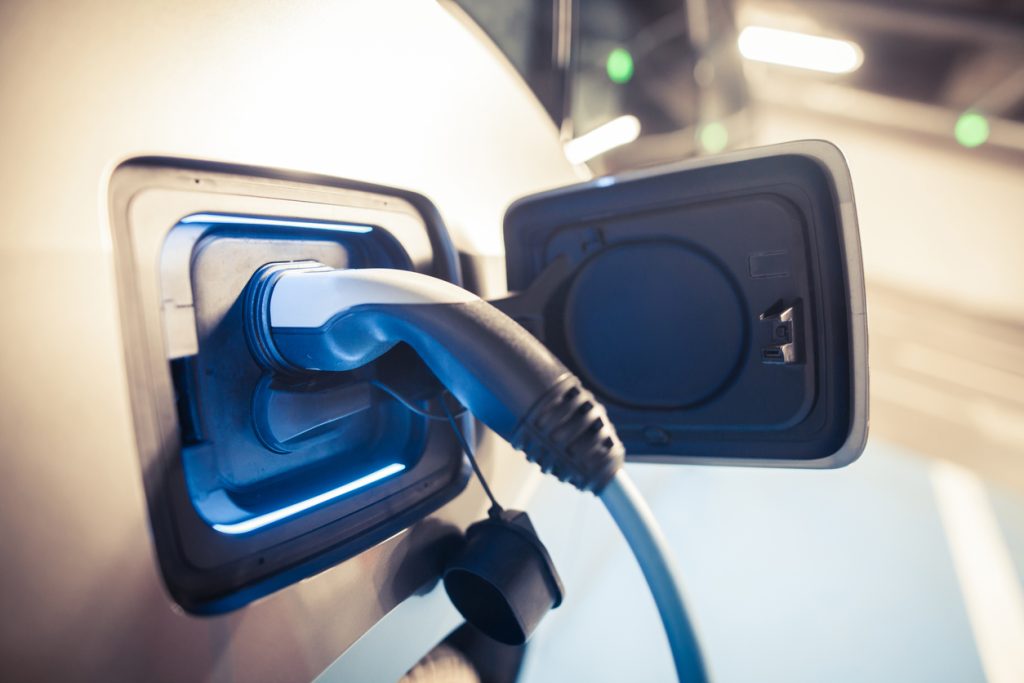
Electric vehicles are gradually becoming more visible on Nigerian roads, particularly in Lagos and Abuja. But buying an EV is only one part of the transition. Drivers, transport companies and fleet operators also need Rapid EV charging infrastructure that can keep vehicles moving without creating hours of downtime.
This becomes especially important for commercial vehicles. A private EV parked at home overnight can depend on slower charging, but a ride-hailing driver, delivery fleet or corporate transport operation usually cannot afford to leave vehicles idle for most of the working day.
Nigeria’s charging network is still developing. Recent installations, including DC fast-charging facilities in Victoria Island, Lagos, show how operators are beginning to address this gap. One Lagos facility uses multiple fast chargers and can take compatible vehicles from roughly 20% to 80% charge in about 30–45 minutes, depending on the vehicle.
Where Fast EV Chargers Make the Most Sense
Rapid chargers should not simply be installed wherever space is available. Location affects whether drivers will actually use them.
In Lagos, practical locations include commercial districts such as Victoria Island and Ikeja, major shopping areas, transport hubs, hotels and fleet depots. Charging points near busy corridors can allow drivers to recharge while handling meetings, deliveries or scheduled stops.
Abuja has similar opportunities around Maitama, Wuse, the Central Business District and major transport corridors.
For interstate EV travel, charging infrastructure becomes even more important. Routes such as Lagos–Ibadan and longer Lagos–Abuja journeys need strategically positioned stations where vehicles can charge without making major detours.
Rapid Charging Is Different From Overnight Charging
Not every EV charger serves the same purpose.
A home charger may be suitable when a vehicle can remain parked for several hours. Rapid DC charging is designed for situations where reducing waiting time matters.
This makes it particularly useful for:
- Ride-hailing and taxi fleets
- Courier and delivery vehicles
- Corporate transport operations
- Intercity electric vehicles
- Hotels and commercial properties
- Logistics companies operating electric vans
Before installing charging equipment, businesses should check vehicle connector compatibility, electrical capacity, expected daily traffic and available backup power.
Drivers should also confirm charger availability, connector type and access conditions before travelling to a station, especially because Nigeria’s public charging network remains relatively limited.
Power Reliability Can Make or Break an EV Charging Site
Installing the charger itself is only part of the job.
High-capacity charging requires dependable electricity. In locations where grid supply is inconsistent, operators may need solar generation, battery storage or another properly engineered backup arrangement.
This is already becoming part of Nigeria’s EV infrastructure conversation. Recent industry research notes that some operators are combining charging facilities with solar and battery storage to improve reliability where grid electricity is weak.
For a busy fleet depot, power planning is especially important. Ten vehicles returning for charging at approximately the same time create a completely different electrical demand from one vehicle charging occasionally.
Fleet Operators Need Charging Planned Around Daily Routes
Consider a delivery company operating electric vans between Ikeja, Yaba and Victoria Island.
The company should not wait until batteries are almost empty before deciding where vehicles will charge. Charging stops can be planned around loading periods, driver breaks and quieter delivery windows.
This reduces vehicle downtime and makes fleet scheduling more predictable.
The same principle applies to corporate transport and ride-hailing operations. Charging infrastructure works best when it becomes part of the transport plan rather than an emergency response to low battery levels.
Building EV Mobility That Works in Nigerian Conditions
Nigeria’s EV ecosystem is moving beyond individual vehicles toward the infrastructure needed to support wider adoption. In March 2026, the Federal Government expanded the clean-mobility mandate of its existing initiative to include electric vehicles and EV charging infrastructure nationwide.
Travo.ng can support businesses and travellers by coordinating relevant mobility needs around this transition, including vehicle movement, corporate transport planning, logistics support and fleet-related arrangements.
As Rapid EV charging infrastructure expands across Nigeria, the most successful networks will be those built around how people actually travel and work. Reliable power, sensible locations, compatible equipment and properly planned charging schedules will matter just as much as charging speed itself.
