


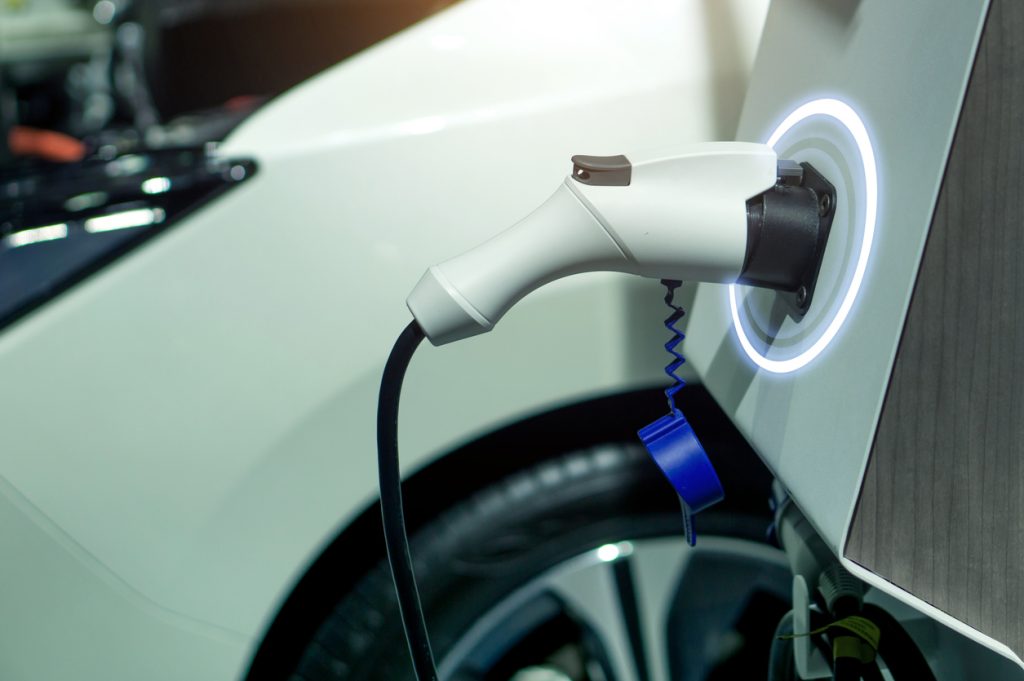
Electric vehicles are gradually becoming more visible on Nigerian roads, especially in Lagos and Abuja. As adoption grows, one practical challenge remains: drivers need convenient places to charge outside their homes.
For property owners, shopping centres, hotels, offices, estates, transport operators and commercial developments, public EV charging station installation can turn available parking space into useful mobility infrastructure.
Installing chargers, however, involves more than mounting equipment on a wall. Electricity supply, charger capacity, parking layout, safety equipment and future demand all need to be considered before installation begins.
Travo.ng helps businesses coordinate practical mobility and energy-related projects, including planning and logistics support for EV charging infrastructure.
Where Public EV Chargers Make the Most Sense
The location of a charging station often determines how useful it eventually becomes.
In Lagos, chargers installed at shopping centres, hotels, office complexes, restaurants and large residential estates can serve vehicles that remain parked for one or several hours. Commercial locations around Lekki, Victoria Island, Ikeja and the Lagos Island business districts are particularly suitable because of their concentration of offices, residences and leisure destinations.
Other possible locations include:
- Filling stations adding EV services
- Airports and transport terminals
- Hotels and serviced apartments
- Supermarkets and shopping malls
- Corporate office car parks
- Universities and campuses
- Hospitals
- Fleet depots
- Residential estates
A charger beside an office may have completely different requirements from one serving vehicles travelling between cities. Understanding expected usage should therefore come before choosing equipment.
Choosing Between AC and Fast Charging Equipment
Not every location requires the fastest charger available.
AC chargers are often suitable for offices, hotels, estates and shopping locations where vehicles may remain parked for several hours. They generally require less electrical capacity than high-powered rapid charging equipment.
DC fast chargers are more appropriate where drivers need shorter charging stops. They can work well along major transport corridors, busy commercial locations or fleet facilities where quick vehicle turnaround is important.
Installing high-capacity charging equipment without first checking available electrical infrastructure can create expensive problems. The site’s transformer capacity, distribution board, cabling and backup power arrangement should all be assessed.
What Installation Normally Involves
A proper public EV charging station installation usually begins with a site assessment.
Technicians need to determine the distance between the electrical supply point and proposed charging bays. Long cable runs, underground work or modifications to the distribution system can increase project costs.
Installation may also involve:
- Charger mounting and foundations
- Electrical cabling and protection devices
- Dedicated distribution equipment
- Earthing and surge protection
- Parking signs and bay markings
- Internet or network connectivity
- Charger configuration and testing
Commercial stations may additionally require payment systems, user authentication and remote monitoring so operators can track charging sessions and equipment performance.
What Determines EV Charging Installation Costs
There is no single realistic price for every charging project in Nigeria.
A relatively straightforward AC charger installation at an existing commercial property will normally cost considerably less than building a multi-bay rapid charging facility.
Cost is influenced by the charger specification, electrical upgrades required, cable distance, civil works, number of charging points and whether additional power infrastructure is needed.
Importing specialised charging equipment can also introduce freight, customs clearance and inland transportation costs. Businesses should therefore request a site-specific quotation rather than relying only on the advertised price of the charger.
Planning for Lagos Power and Traffic Conditions
Nigeria presents operating conditions that charging projects cannot ignore.
A busy Lagos commercial site may experience heavy vehicle movement during morning and evening periods, while electricity availability can vary significantly between locations. Installing chargers without considering those realities may leave equipment frequently unavailable.
Businesses should evaluate grid supply, solar integration, battery storage or other backup arrangements where necessary.
Parking layout matters too. Charging bays should be positioned where vehicles can enter, connect and leave without blocking normal traffic around the property.
Arrange Public EV Charging Station Installation With Travo.ng
Businesses planning EV infrastructure need coordination between equipment suppliers, installers, transport providers and site operators.
Travo.ng can support public EV charging station installation projects by helping coordinate equipment movement, installation logistics and related mobility requirements.
Whether you are developing charging facilities for an office, hotel, shopping centre, estate or commercial vehicle operation, proper planning from the beginning reduces costly modifications later.
As electric mobility expands in Nigeria, accessible charging infrastructure will become increasingly important. Installing the right equipment in the right location today can prepare businesses and public facilities for the transport needs that are already beginning to emerge.
