


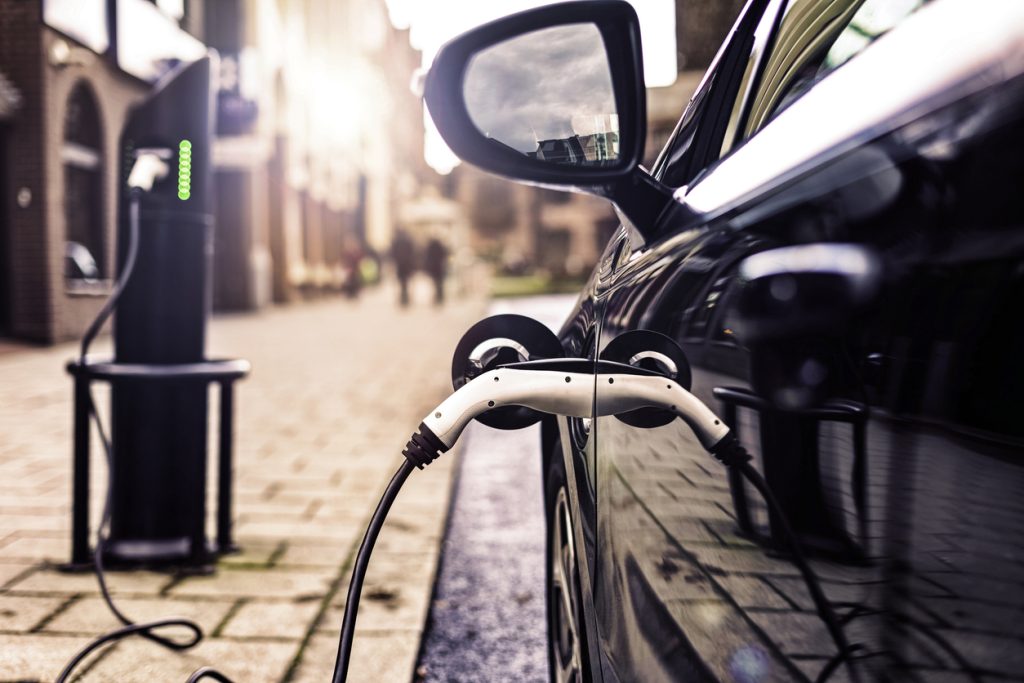
Owning an electric vehicle in Nigeria becomes much easier when you can charge where the vehicle spends most of its time. Instead of planning every journey around a public charging point, a private EV charging station gives homeowners, businesses, estates and fleet operators more control over when and where their vehicles are charged.
This is particularly useful in Lagos and Abuja, where EV charging infrastructure is expanding but public chargers are still concentrated around selected commercial areas. Nigeria is also gradually investing in EV charging infrastructure, including hybrid charging facilities supported by the Energy Commission of Nigeria.
For many drivers, however, dependable private charging is still the more convenient everyday arrangement.
Where a Private EV Charger Makes the Most Sense
A private charger does not have to be installed only in a residential garage. We increasingly see different charging requirements depending on how the vehicle is being used.
A homeowner in Lekki or Maitama may simply want overnight charging for one vehicle. An office in Victoria Island may need two or three charging bays for management vehicles. A logistics company could require several chargers because its electric vans must be ready before morning deliveries begin.
Private charging can work well for:
- Residential homes and apartment developments
- Hotels and serviced apartments
- Corporate offices
- Shopping and commercial properties
- Logistics depots
- Transport and delivery fleets
- Schools, hospitals and private institutions
The important part is designing the charging arrangement around actual vehicle movement rather than simply buying a charger.
Check Your Power Situation Before Installing Anything
One mistake is purchasing an EV charger before checking the available electricity supply.
A charger that looks ideal on paper may create problems if the property cannot comfortably support its power requirement. Cable capacity, distribution boards, circuit protection, earthing and available load should all be assessed.
This matters particularly in locations where grid supply fluctuates.
For a residential user who normally parks from 7 p.m. until 6 a.m., slower overnight charging may be completely adequate. A delivery business returning ten vehicles to its depot at 8 p.m. has a very different requirement.
Solar, battery storage or another backup arrangement may also be considered where electricity availability is inconsistent.
How Much Charging Speed Do You Really Need?
Bigger is not automatically better.
A typical private installation may use an AC charger because vehicles remain parked for several hours. Current Nigerian suppliers offer residential AC charging equipment in different capacities, including 7kW systems designed around overnight charging.
Before choosing a charger, consider:
- Your EV’s maximum AC charging capability.
- Average kilometres driven each day.
- How many hours the vehicle normally remains parked.
- Whether more vehicles will be added later.
- The electrical capacity available at the property.
A vehicle used mainly for school runs, commuting between Ikeja and Victoria Island or short Abuja trips may not need rapid charging every night.
Fleet vehicles operating continuously require more careful planning.
Think About the Installation Location Too
Charging convenience is partly about where the equipment is positioned.
Installing the unit too far from the normal parking bay can mean unnecessary cabling and awkward charging routines. Outdoor installations also need appropriate protection from rain, heat and accidental vehicle impact.
For estates and businesses, parking behaviour matters as well. A charger becomes difficult to use if another vehicle regularly blocks the charging space.
The installation plan should therefore consider the charger, parking layout, electrical route and normal movement around the property together.
Planning EV Charging Alongside Transport Operations
Businesses introducing electric vehicles should treat charging as part of fleet operations rather than a separate electricity project.
For example, a Lagos company running electric delivery vehicles needs to consider when drivers return, which vehicles leave first the following morning and how much range each route requires.
Travo.ng can support businesses with transport coordination, vehicle movement, delivery planning and broader mobility requirements while they develop practical EV operations.
The same approach works for hotels, corporate fleets, residential estates and organisations gradually moving from petrol vehicles to electric mobility.
A private EV charging station is most useful when it fits the way the vehicle is actually driven. Start with your daily routes, parking time and available power, then choose a charging setup that can support both today’s vehicle and tomorrow’s mobility needs.
