


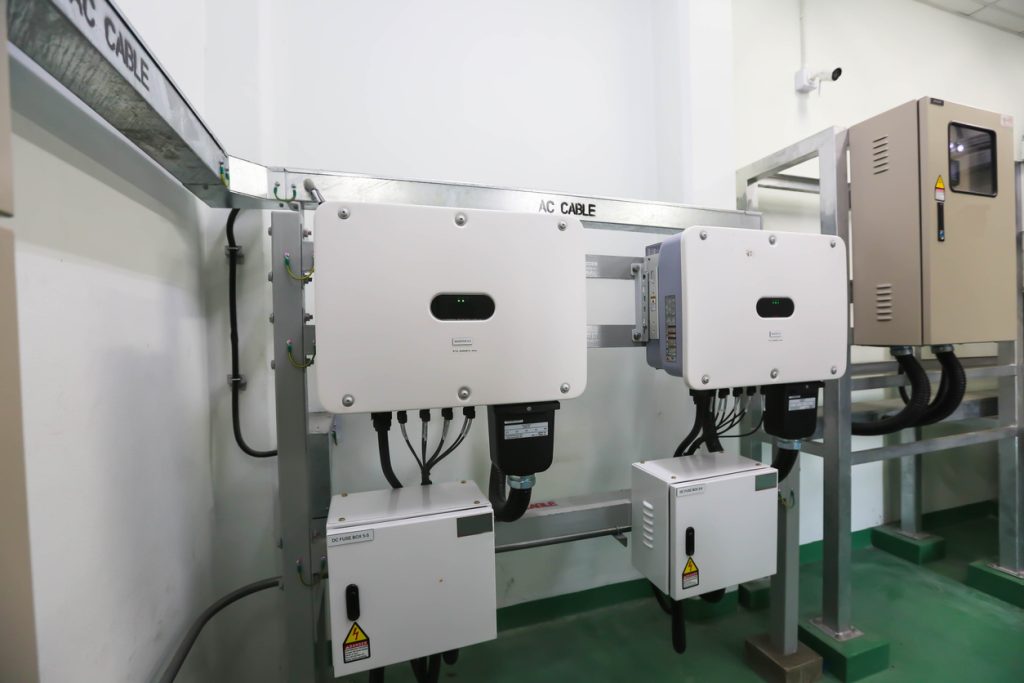
If your inverter is on but the battery is not charging, the problem is not always the battery itself. In Lagos homes and offices, charging problems can come from unstable power supply, faulty cables, a damaged charger, incorrect settings, or a battery that has reached the end of its useful life.
Before replacing anything, it is worth checking the setup systematically.
Start With the Power Supply
The first thing to confirm is whether the inverter is actually receiving power from NEPA/IKEDC or a generator.
If there is no incoming AC power, the inverter cannot charge the battery through mains electricity. This can be easy to overlook when the inverter is still powering appliances from the battery.
Check whether:
- Other appliances are receiving power.
- The inverter display shows AC input or charging.
- The relevant breaker is switched on.
- The changeover or connection to the inverter is properly engaged.
If your area has frequent outages, also check whether the inverter is configured to accept the voltage range available from your power supply.
Check the Battery and Connections
Loose or corroded battery terminals can prevent proper charging. This is particularly important with older installations where cables may have loosened over time.
Look for obvious issues such as:
- Loose battery terminals
- Damaged cables
- Corrosion around battery connections
- Swollen or leaking batteries
- Unusual heat or smell
Do not open the inverter or handle exposed electrical components if you are not trained to do so. A qualified technician should handle electrical faults.
The Battery May Simply Be Worn Out
If the inverter receives power correctly but the battery remains low, the battery itself could be the problem.
Lead-acid batteries, for example, gradually lose their ability to hold charge. A battery may appear to charge but then drop quickly once you connect appliances such as a refrigerator, television, fan or computer.
If the battery is several years old and has recently started discharging much faster than before, testing the battery is usually more useful than immediately buying another inverter.
Check the Inverter’s Charging Settings
Some inverter systems allow users or installers to configure charging current, battery type and other charging parameters.
An incorrect setting can affect how the battery charges.
For example, a system configured for the wrong battery type may not charge correctly. Solar hybrid inverters can also have separate settings for solar charging and grid/generator charging.
If you recently changed the battery or inverter settings, have the configuration checked before replacing components.
Lagos Power Conditions Can Make the Problem Worse
Power conditions vary considerably between locations and even between different streets. An inverter that appears to work normally when electricity is stable may behave differently when voltage fluctuates or the supply repeatedly cuts in and out.
This is one reason troubleshooting should consider the entire power setup rather than assuming the battery is faulty.
For a home, office or small business that depends heavily on backup power, it is better to have the inverter, battery bank, cabling and incoming supply assessed together.
When Should You Call a Technician?
If basic checks do not identify the problem, avoid repeatedly switching the system on and off or attempting electrical repairs yourself.
A technician should inspect the system if:
- The inverter shows a charging fault or error code.
- The battery becomes unusually hot.
- There is a burning smell.
- The battery is swollen or leaking.
- The inverter receives power but does not charge the battery.
- The battery charges but loses power unusually quickly.
- The system recently stopped working after an electrical surge.
Getting the correct fault diagnosed can save you from replacing a perfectly good battery or inverter unnecessarily.
Need Help With a Home or Business Power Setup?
If your inverter is not charging the battery in Lagos, the best solution depends on whether the fault is with the power supply, inverter, battery, wiring or configuration.
For homes, offices and businesses that rely on dependable utilities and equipment, getting the right technical support early can prevent a small fault from becoming a more expensive problem. Travo.ng can also support customers looking for relevant household utility and service solutions, depending on their requirements.
