


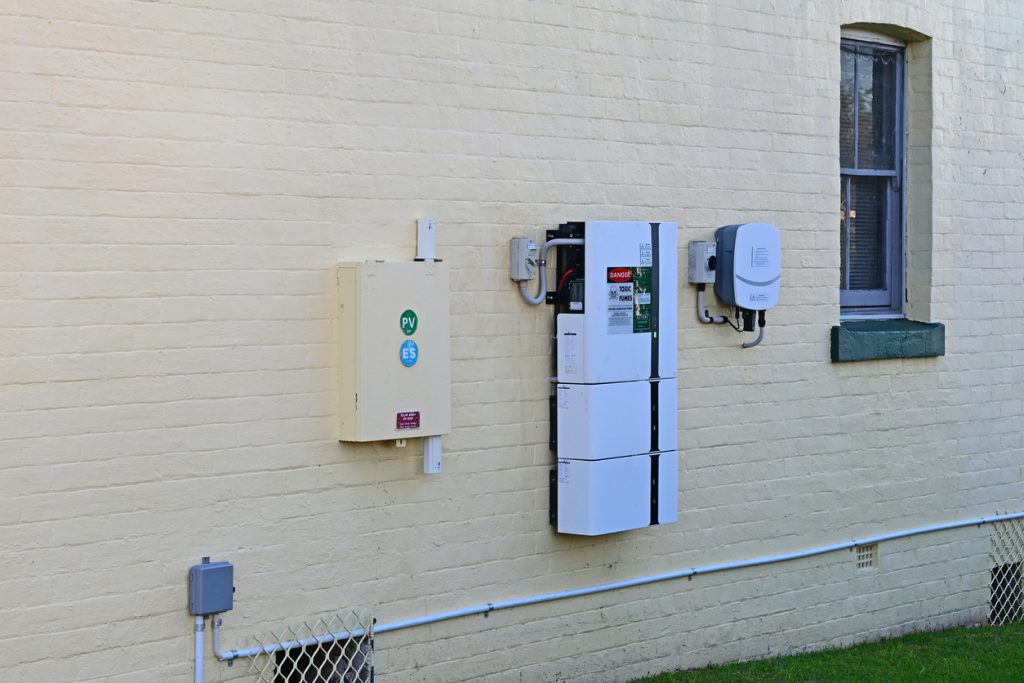
An inverter can become a serious problem when it fails unexpectedly, especially in Abuja homes, offices, shops and businesses that depend on backup power. A system that worked normally yesterday may suddenly stop charging, shut down under load, or keep showing a fault warning.
Before replacing the entire inverter, it is worth finding out what actually caused the breakdown. In many cases, the problem may be with the battery, wiring, charging system, protection components or another part that can be repaired.
Common inverter problems Abuja users experience
Not every inverter failure means the inverter itself is damaged. Some common complaints include:
- The inverter is not switching on.
- Batteries are no longer charging properly.
- The system shuts down when appliances are connected.
- The inverter keeps beeping or displaying a fault code.
- It works briefly and then goes off.
- There is power from the batteries, but no output to connected appliances.
- The system overheats or repeatedly trips.
For example, an office in Wuse may depend on an inverter for computers, networking equipment and lighting throughout the workday. If the battery bank is weak, the inverter may appear to be the problem when the actual fault is the battery capacity or charging arrangement.
Why an inverter can suddenly break down
Several things can contribute to an inverter failure. Battery deterioration is one of the most common, particularly where batteries have been used heavily for several years.
Other possible causes include:
Overloading: Connecting equipment beyond the inverter’s rated capacity can cause repeated shutdowns or damage.
Poor connections: Loose terminals, damaged cables or incorrect wiring can affect charging and power delivery.
Heat: Inverters need adequate ventilation. Installing one in a poorly ventilated cupboard or enclosed space can cause overheating.
Power fluctuations: Unstable grid electricity and repeated changes between grid, battery and other power sources can put additional stress on the system.
Component failure: Internal components such as fans, capacitors, relays or control boards can eventually develop faults.
This is why proper diagnosis is important before buying another inverter.
What an inverter repair technician should check
A proper assessment should go beyond switching the unit on and off. Depending on the system, the technician may need to inspect the inverter, batteries, cables, terminals, charging input and connected loads.
They should also establish what happened immediately before the failure. Did the inverter stop after a power surge? Was a new appliance connected? Did the batteries recently start draining faster than usual?
That information can help identify whether you need a simple repair, battery replacement, wiring correction or a more substantial system service.
When repair makes more sense than replacement
If the inverter is relatively new and the fault is isolated to a replaceable component, repairing it may be considerably more practical than purchasing a new system.
However, an older inverter with multiple faults may not be economical to repair, particularly if replacement parts are difficult to source. The technician should explain the fault and expected repair cost before work begins.
For businesses, this assessment is even more important. An inverter supporting computers, security equipment, refrigeration or other essential operations should be repaired with the expected load and reliability requirements in mind.
Getting inverter breakdown repair in Abuja
Whether the system is installed in Maitama, Gwarinpa, Wuse, Asokoro, Kubwa or another part of Abuja, getting the right technical support quickly can prevent a small electrical problem from becoming a longer power disruption.
Travo.ng can help customers coordinate practical service needs, including connecting them with solutions for equipment-related and technical support requirements. If your inverter has stopped working, provide the make and model, the symptoms you are seeing, and any recent changes to the system when requesting assistance.
The more information available before the technician arrives, the easier it is to assess the problem and determine the appropriate repair.
Do not ignore repeated inverter faults
An inverter that keeps shutting down, overheating or refusing to charge should not simply be restarted repeatedly. Continued operation with an underlying electrical or battery fault can make the problem worse.
If your backup power system is becoming unreliable, arrange an inspection early. In many cases, identifying the faulty component is far cheaper and less disruptive than waiting until the entire system fails.
